












A headless Webflow and Shopify store with server-side tracking built alongside it, and our own Journey Analyser matching orders to visits.
Can you trace every order back to the visit that started it?
About Aqualona
Aqualona sells bathroom products, from toilet seats to shower heads, to homeowners and to the trade.
- Sector
- Bathroom products
- Sells to
- Homeowners and the trade
- Shop
- Online, about 180 products
What we built and what changed
14x
tracked orders a month, May to August
GA4,
2,900+
orders tracked from visit to checkout, April to early October 2026
GA4,
Tracked orders a month grew 14x between May and August 2026, with 2,900+ orders traced from visit to checkout between April and early October 2026.
What we challenged
Scaling ad spend before the store and tracking could be trusted.
Where it fitsThe four steps we work across, from the ad to the budget call. The lit ones are what this project covered.
- Not in this projectPaid campaigns that bring the right people to the site.
- In this projectWe built the headless Webflow and Shopify store the orders come through.
- In this projectServer-side tracking and our Journey Analyser match each order to the visit that started it.
- Not in this projectMoving budget on what the sales data shows, not what the ad platforms report.
How we used AI on this project
What we used it for
We used it to draft the server-side GTM tags and triggers for purchase tracking, through an MCP connection, which sped up the build.
We used it in Cursor, under our rules, to draft the Aqualona Journey Analyser.
What stayed human
A person checked every tag and trigger against a real test purchase before publishing, and decided what the data meant for the ads.


Stack
What it runs on
The tools behind this project. Each one has its own page on how we use it and what we connect it to.
 WebflowWe're a Webflow Certified Partner. Your team can edit the pages without a developer, and the tracking and forms are wired in before launch.Tech
 ShopifyShopify runs the products and checkout behind a store we build, and we send purchases to the ad platforms from the server, so ad blockers and checkout scripts don't lose them.Tech
 GTMHolds every tag, in the browser and on the server, so a change goes in once and gets tested before it goes live.Tech
 StapeStape runs the server side of our tracking. Tags load from the client's own domain, and the server passes each conversion on to GA4, Google Ads and Meta, so fewer get lost to ad blockers and Safari.Tech
 GA4Counts sessions and events. We check it against the raw data before we report from it.Reporting
 Google AdsSearch for leads, Shopping and Performance Max for online shops. Conversion goals match what the business actually counts, and real leads and sales go back to Google.PPC
 MetaReaching people who aren't searching yet, and following up the ones who left, once the website and tracking can take the visits. Conversions go in from the server.PPC
 GSCShows which searches bring people to a site and which pages Google has indexed. We check it after every launch, migration and batch of new pages.Reporting
 FigmaWhere we draw the layout and agree it with you before anything is built. Websites, landing pages and ad statics all start in the file.Content
 CloudflareSits in front of our sites and tools: DNS and caching, Workers, R2 storage, Access, Turnstile and Pages.Tech
 n8nAutomation that scales with you, not against you. We run n8n on our own server, so scaling is free and every run is visible, to people and to our agents.Tech
 KlaviyoEmail and SMS for online shops. It knows what each shopper browsed, left in their basket and bought, so the right email goes out on its own. It's the one we'd pick for a shop.CRM



Screens
What we built, on screen
Scroll the full page
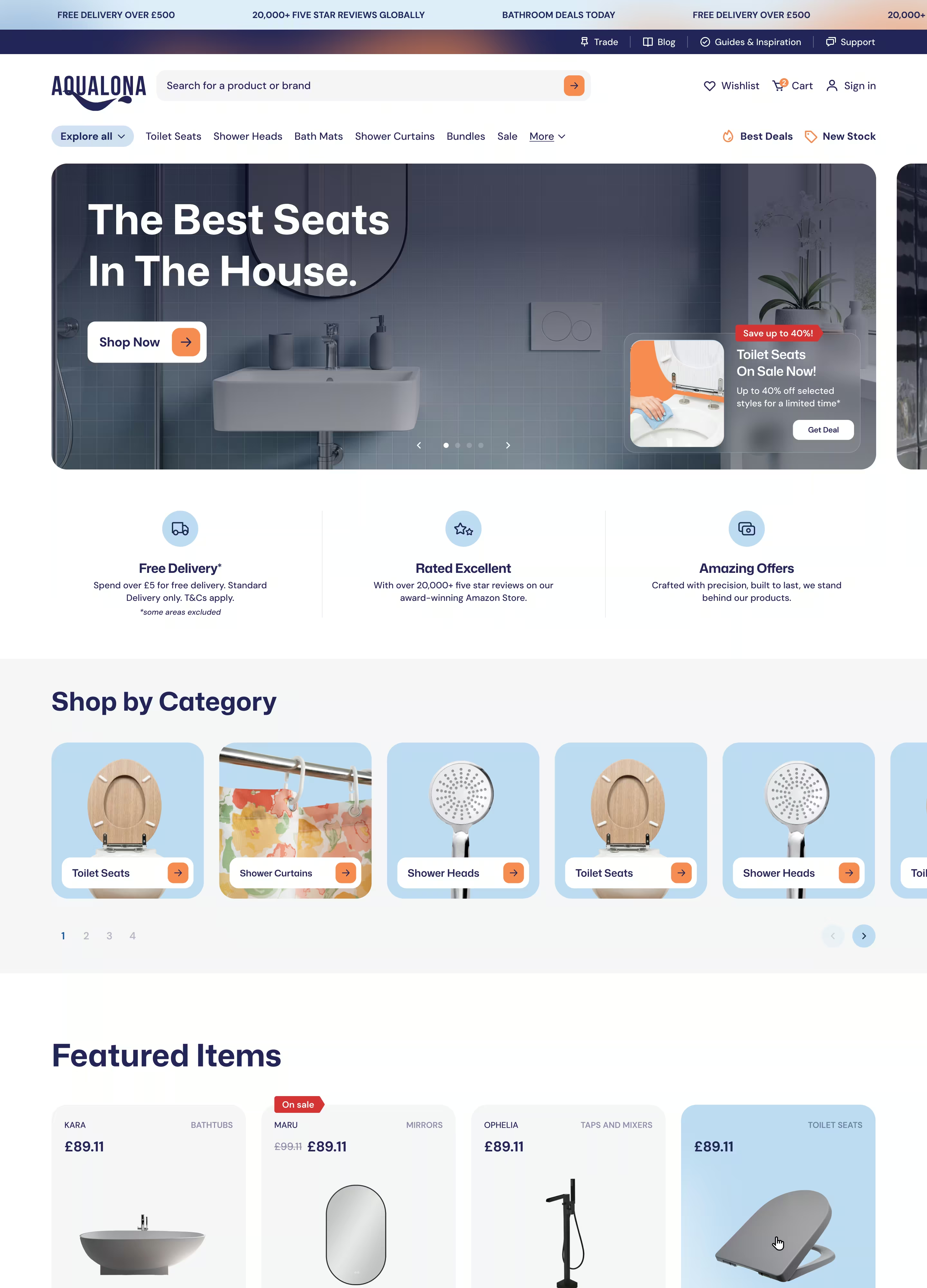
The whole page, top to bottom. It scrolls by itself while you read this. Hover or drag to take over.
The client
Aqualona sells bathroom products, from toilet seats to shower heads, to homeowners and to the trade. They wanted a store that looked like their brand and a way to know which visits turned into orders.
The brief
Build an ecommerce store that fits Aqualona's tech stack, and make sure the ad platforms can learn from real purchases.
What we did
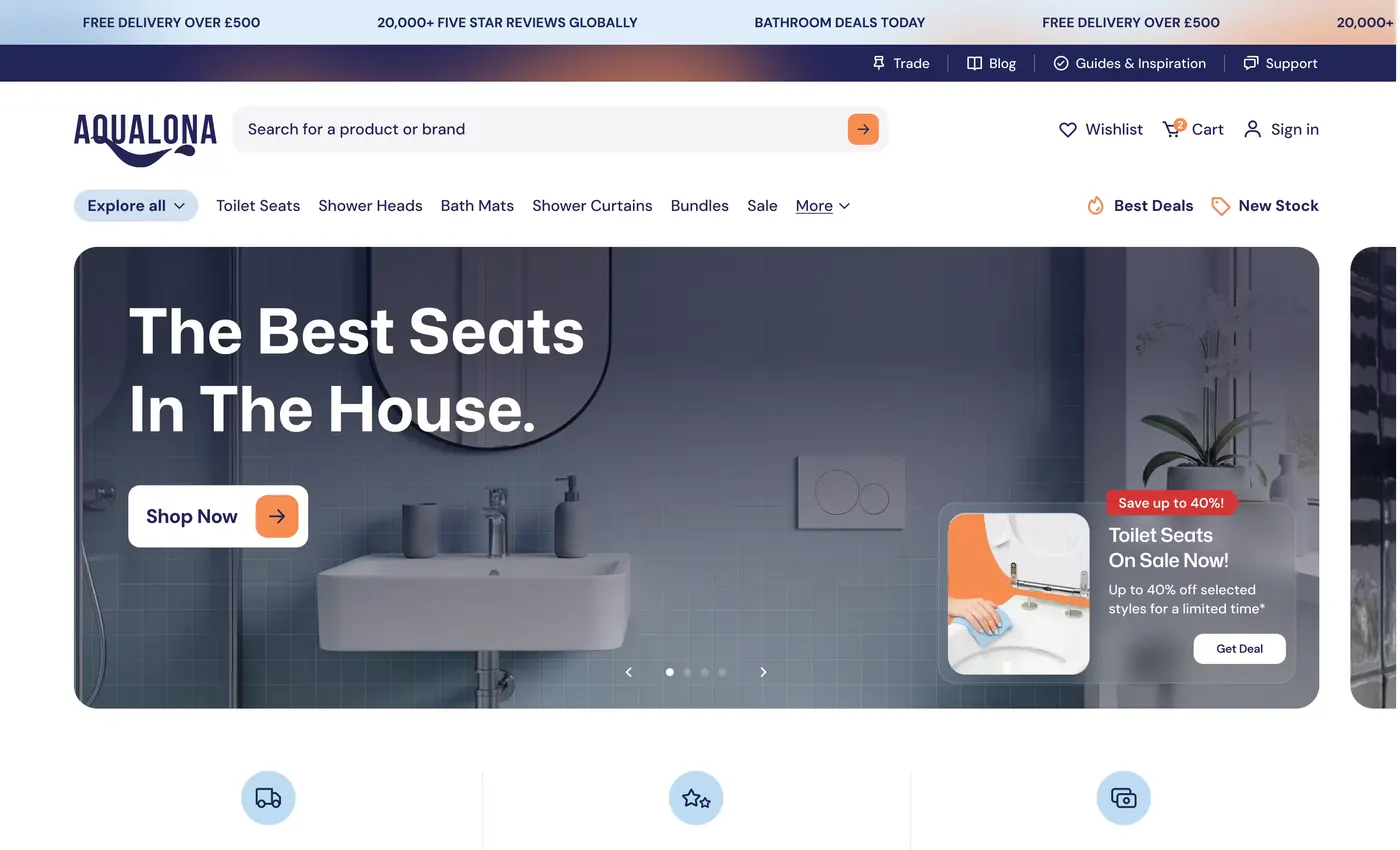
- Built a headless Webflow and Shopify (Smootify) storefront for about 180 products, launched on 27 February 2026. It's a custom brand site, not a Shopify theme.
- Set up server-side Google Tag Manager on Stape, so purchases are reported from the server as well as the browser.
- Launched Google Shopping with a Merchant Center feed using custom labels for tier, category and seat shape, then scaled paid search and Shopping month on month from April to August 2026.
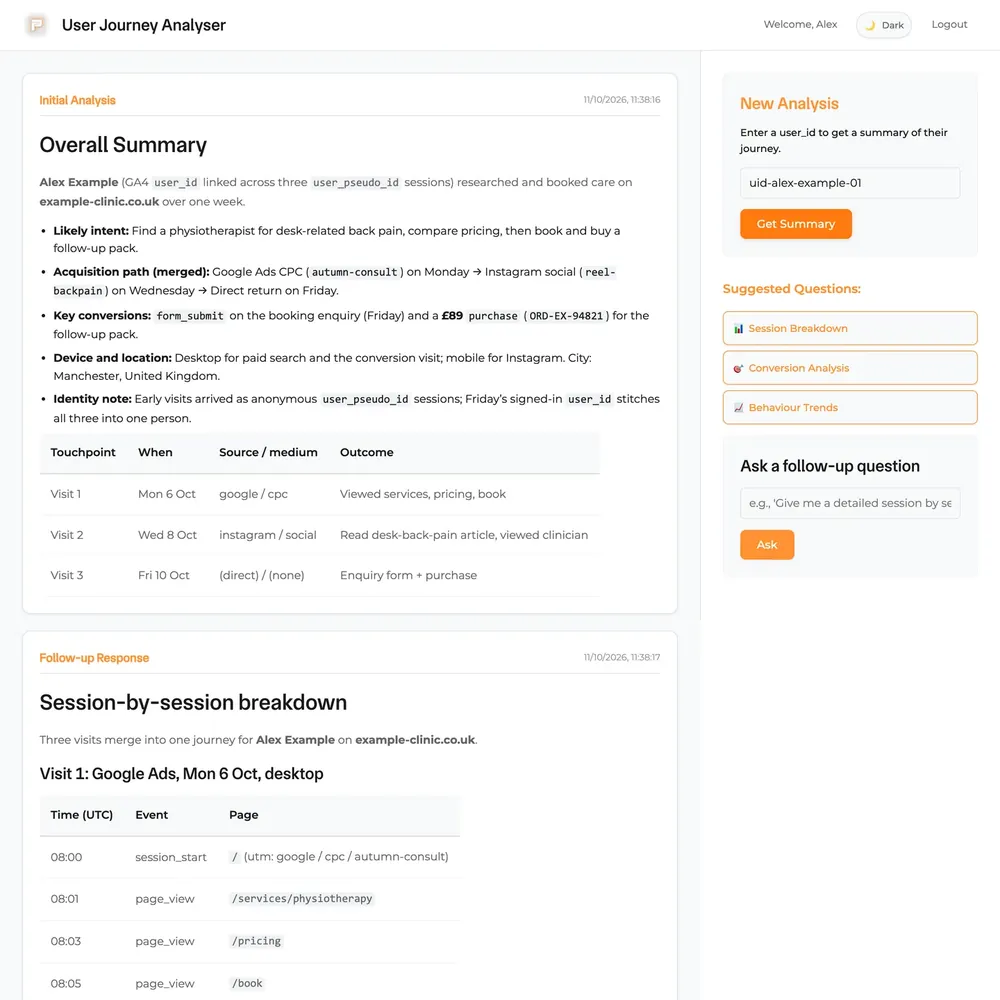
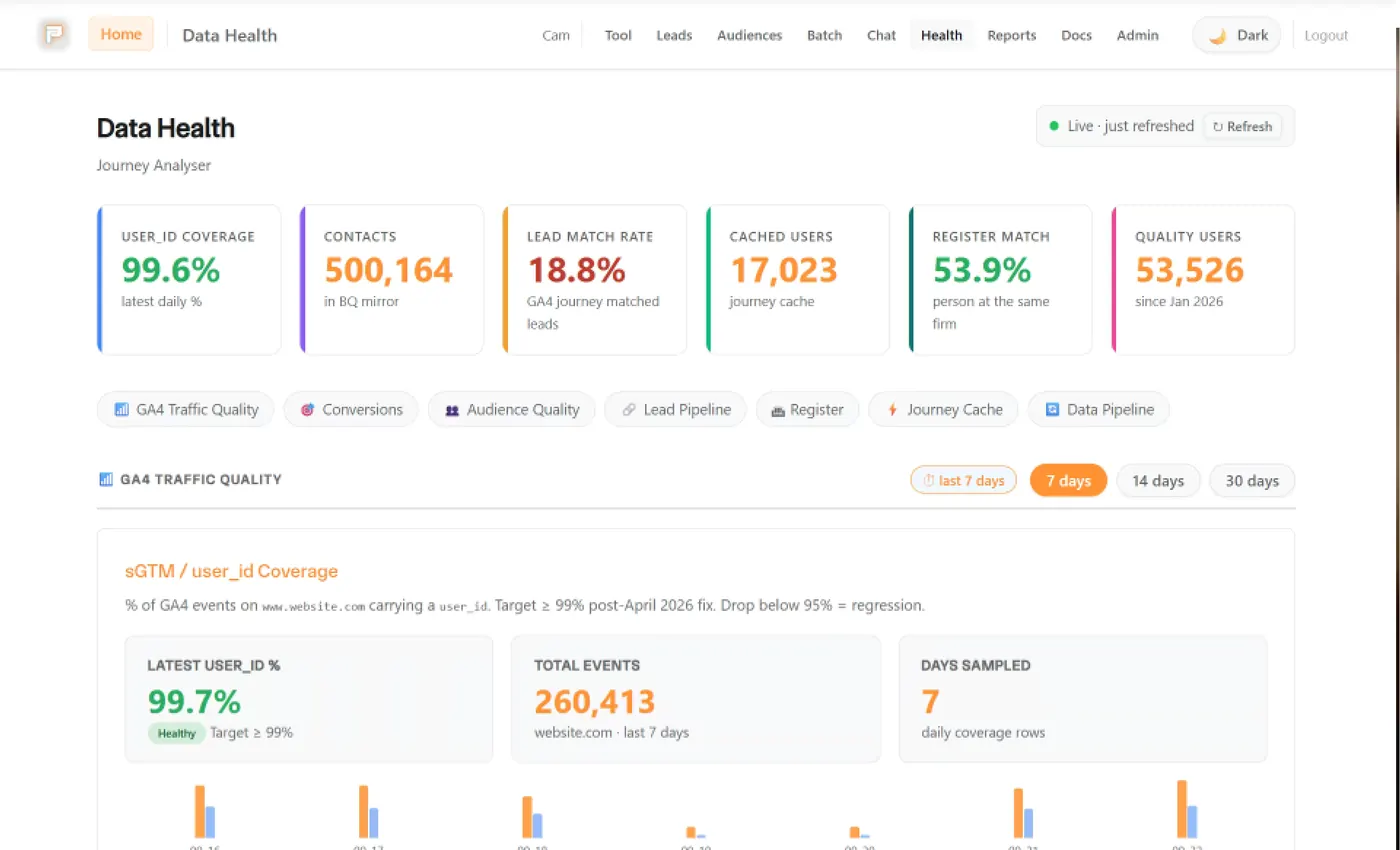
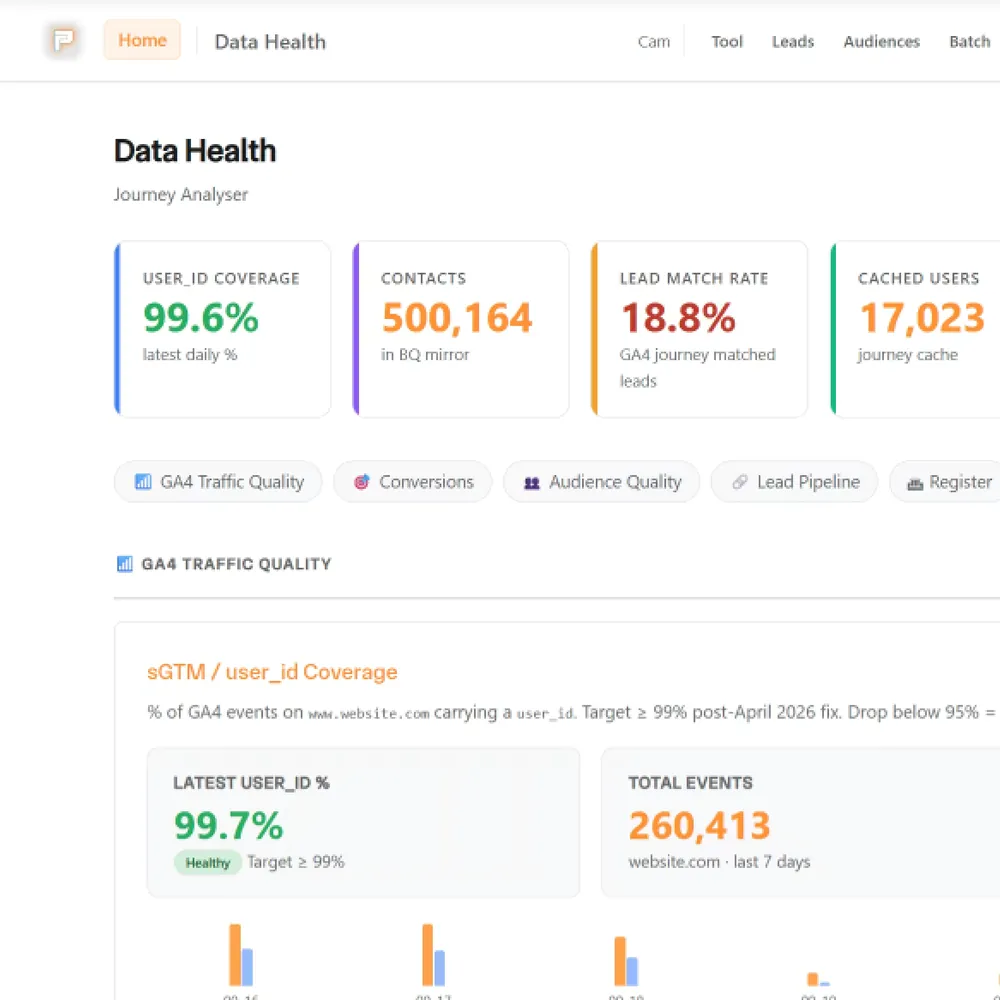
- Built the Aqualona Journey Analyser, our own tool that matches each Shopify order to the GA4 visit behind it.
- Added form capture for Contact, Trade, Newsletter and Ask a Question through n8n, and a Dogs Trust partnership page with copy reviewed by Dogs Trust.
The design
We stayed in design with Aqualona until the pages were the ones they'd asked for. Mood boards came first, in August 2025. Homepage, collection, product, FAQ and contact designs followed in Figma, in working sessions with the client team. When the first product page landed in November 2025, they called it "really brilliant" and settled on light blue with orange calls to action.
Before launch we ran live test purchases with discount codes, guest and logged-in checkouts, and cleared everything they turned up.
The purchase path
- Land. The homepage is a catalogue, not a campaign page. The next click is a range or the trade door.
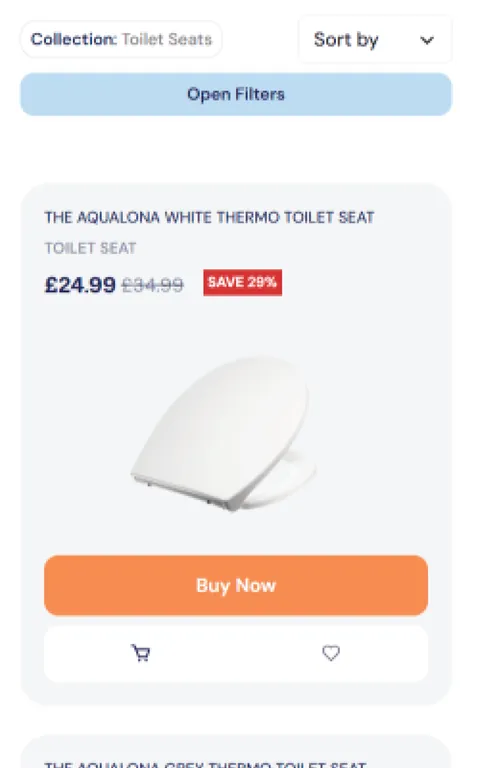
- Browse. Collections filter by what matters, toilet seat shape for one, so shoppers narrow the range instead of hunting.
- Choose. The product page does the selling: imagery, the detail people need and a clear add to cart.
- Cart. A widget links straight to the basket and checkout. We added it after Clarity recordings showed mobile shoppers missing the way through.
- Buy. Checkout is Shopify, and the purchase is reported to GA4 and Google Ads from the server.
What happened
GA4 recorded one order in April 2026, 67 in May and 925 in August, so tracked orders a month grew 14x between May and August. Between April and early October 2026, more than 2,900 orders were tracked from the visit that started them through to checkout. Organic clicks were up about 55% between May and August 2026, from 627 to 978 a month (Search Console).
The ads ran from April to August 2026.
Why it worked
The store and the tracking were built together, before any spend scaled. Every order could be traced to its visit, so the ad platforms learned from real purchases and we could put budget behind what was selling.
Want to see where your own numbers sit? Try the spend check.
The stack
- Webflow: headless front end.
- Shopify and Smootify: cart, checkout, catalogue and product sync.
- Stape and server-side GTM: tracking served from the store's own domain.
- GA4, Google Ads and Merchant Center: analytics and Google Shopping.
- Meta Pixel and Conversions API: retargeting set-up.
- Cloudflare, n8n, Cookiebot, Judge.me: DNS and security, form capture, cookie consent and product reviews. Aqualona runs its own Klaviyo email.
More work
Other client stories
- Client work
FE fundinfo
Paid media and measurement for Wealth Management, plus a custom journey analyser so the team can see real multi-touch journeys
Read the story - Client work
Sector7
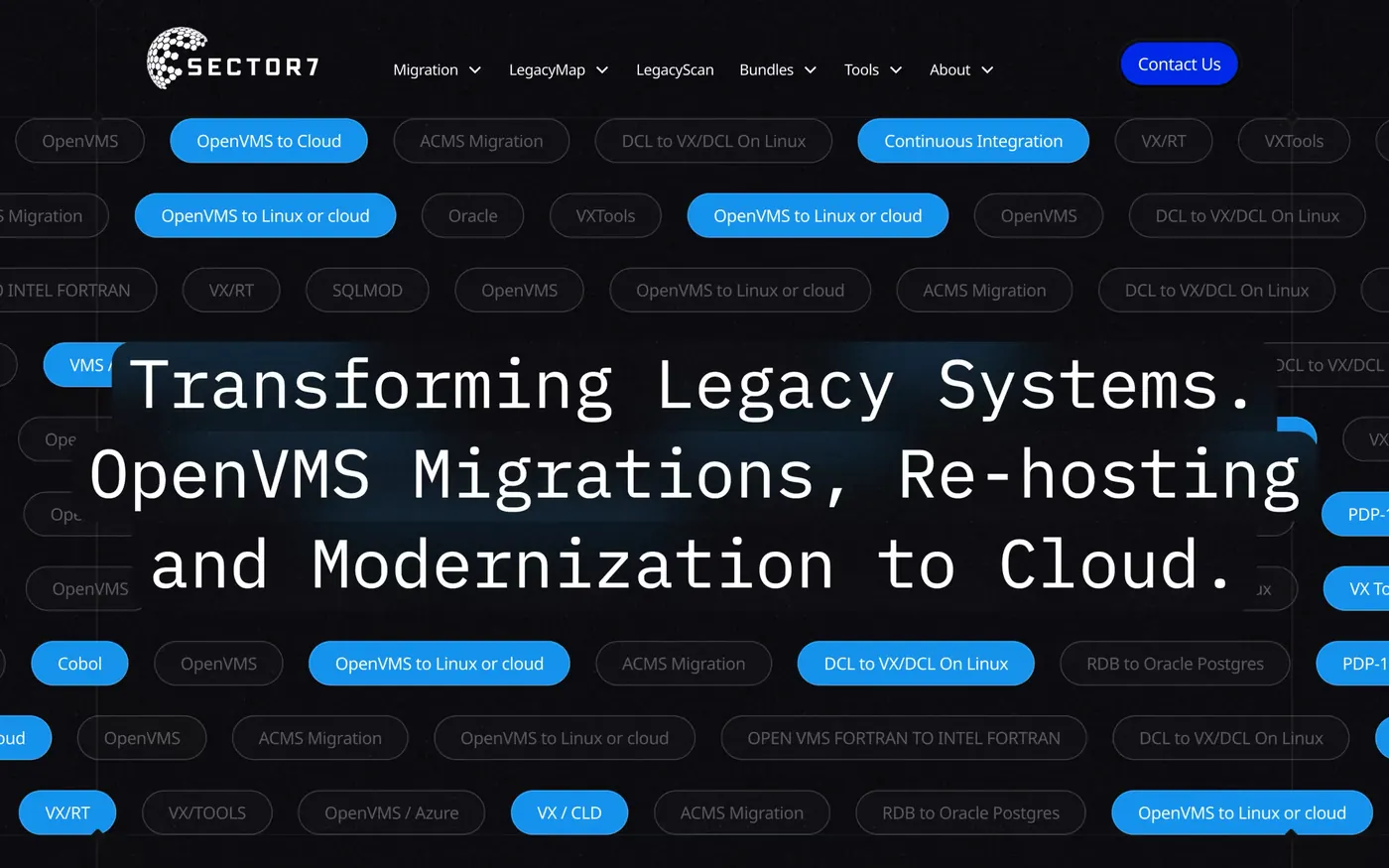
An award-winning rebuild, 177% more new users in 2025 than 2024, and Jon calls it "executed flawlessly, on time and on budget".
Read the story - Client work
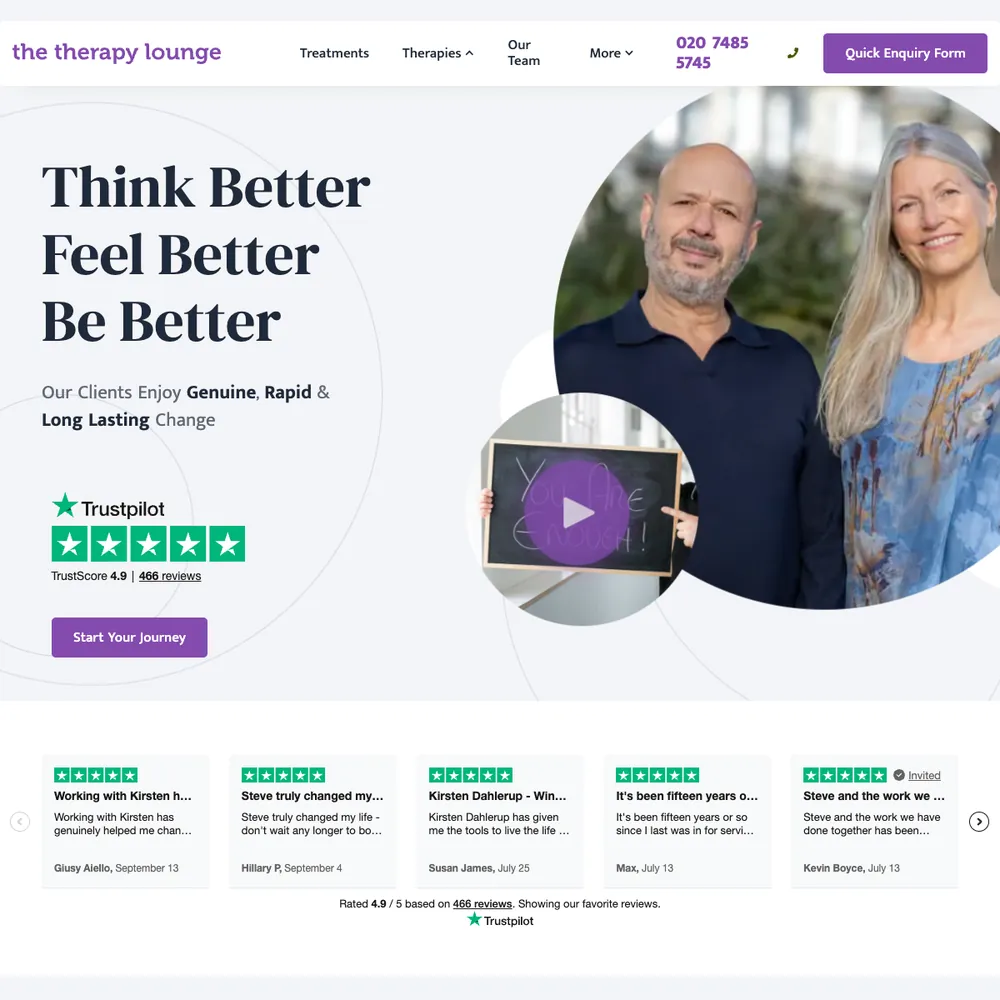
The Therapy Lounge
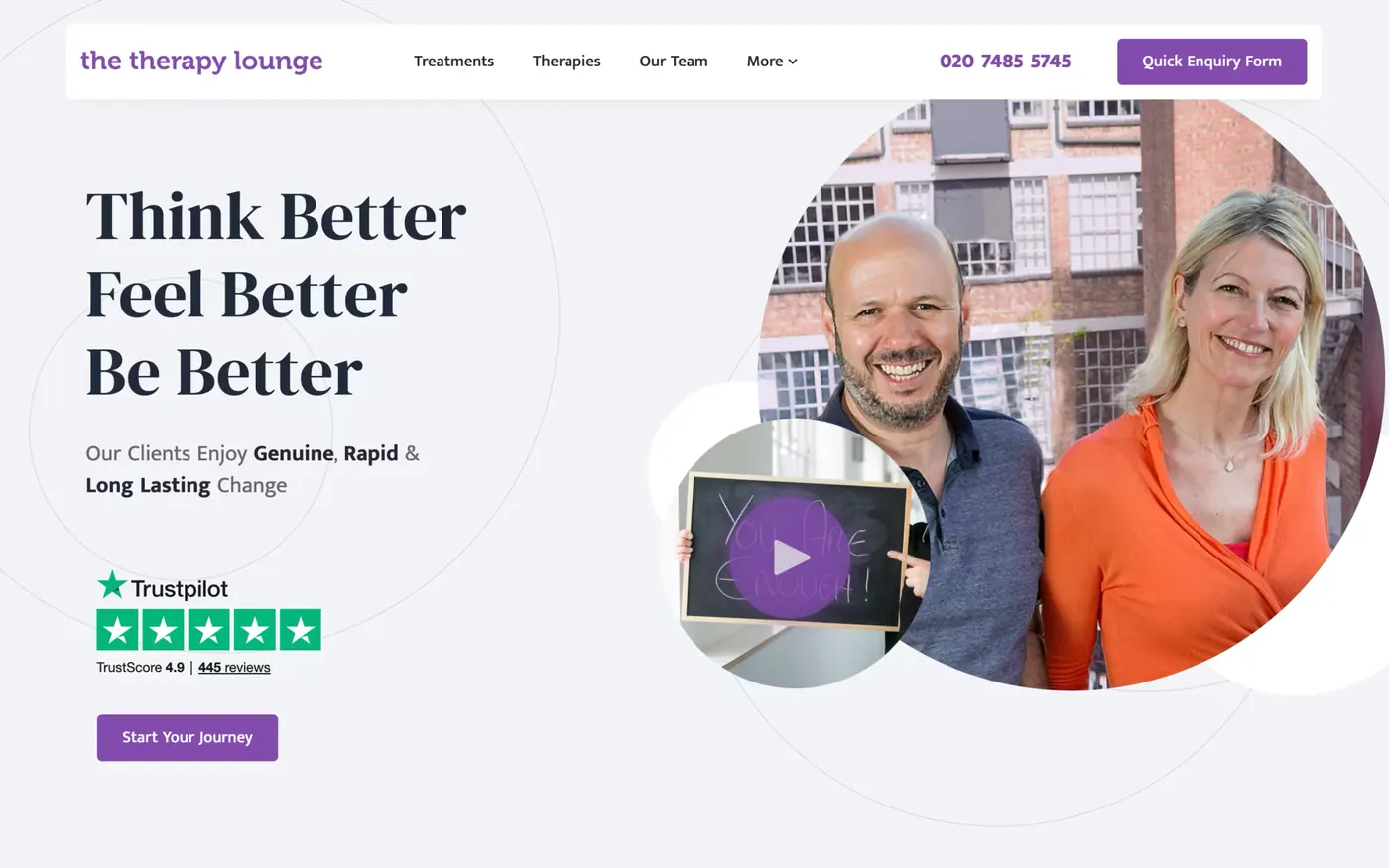
70% more enquiries, 6.6x return on ad spend in October 2025, and 316 enquiries tracked from April 2025 to October 2026.
Read the story


Next step
Bring your numbers.
We'll tell you if the spend makes sense.
- A 15-minute callYour goals, your challenges, and whether we're the right fit.
- A 1-hour discovery callWe dig into your numbers. Worth a hundred emails.
- A concrete planAds, a custom build or both, as a one-off project or ongoing.