








Meta
- Verified Meta Tech Provider
- Facebook and Instagram
- Conversions API
- Instant lead forms
Reaching people who aren't searching yet, and following up the ones who left, once the website and tracking can take the visits. Conversions go in from the server.
- 48 hoursfor Meta to match a pixel event with its server twin
- 4questions on our own instant form, no more
- 5tools it connects to
What Meta does well
Reach people who aren't searching
Meta picks who sees an ad by audience and interests, not by a search term. It's how you introduce something nobody is looking for yet.
Retargeting with manners
Visitors who didn't enquire see a follow-up, in steps, written to stay inside Meta's rules for sensitive categories like health.
Each sale counted once
The pixel and the Conversions API send the same event ID. Meta matches them and counts one conversion, not two.
Lead forms, no landing page
An instant form opens inside Facebook or Instagram. We've built ours to feed Twenty, tested with test submissions.
Verified Tech Provider
Meta verified Pacing Agency as a Tech Provider in August 2026, for our own app that brings instant-form leads straight into our CRM.
Spend we can read anywhere
Meta's Ads CLI lets us pull spend and results for the client accounts we have access to from a script, without logging in to each one.
We use Meta to reach people who aren't searching yet, and to follow up the ones who visited and left. We start once the website and tracking can take the volume, because Meta learns from what you send it.
Tracking first
- The browser sends the event through Google Tag Manager, and the server sends the same event to the Conversions API through Stape.
- Both carry the same event ID. Meta matches them on event name and ID, and keeps one.
- Sending from the server means a blocker or a closed tab doesn't lose the purchase. On a shop, the pixel and Conversions API together feed Meta retargeting.
Retargeting that stays within the rules
We've paired Google Ads for people actively searching with Meta funnels in several steps for those who weren't ready. Both platforms restrict health advertising, so the ads and landing pages are written to stay inside the policies.
A lead form built for the CRM
We've built our own Meta instant form and tested the route into the CRM with test submissions. A separate n8n workflow takes each submission and is set up to write it to Twenty:
- A person, from the name, email and phone number.
- A deal at the New stage.
- A form submission with the Meta lead ID and the campaign it came from.
The follow-up (a message, a chase, an email after three missed calls) starts from the status in Twenty.
Judging it on leads, not on Meta's numbers
Meta's own reports credit the platform generously. We compare them with leads and sales in the client's records. The first things we look for: campaigns optimising for clicks or awareness when the goal is sales, spend the shop's own orders can't account for, and past visitors nobody is retargeting.
Managing accounts from a script
We read spend and results for the client ad accounts we have access to with Meta's Ads CLI, using a system-user token. Anything it creates starts paused, so nothing spends until we've checked it.
Is that return high enough?
Meta, Google or another platform?
Many businesses need more than one, but not on day one. Pick the situation closest to yours and we'll say where we'd start.
People already search for what you sell
| What matters | Meta |  Google AdsOur pick |
|---|---|---|
| What it's good at | Retargeting, and introducing you to people who match your best customers | Showing up the moment someone searches for what you sell |
| How people see you | Between posts and stories, while doing something else | At the top of the results for their search |
| What it needs | Images or video that stop a scroll | Keywords, ad copy and a landing page that answers the search |
| Best first job | Follow up the people who didn't buy | Capture the demand that already exists |
Our pick: Google Ads. Someone searching for what you sell is about the highest-intent traffic you can buy. We'd start there, and add Meta once Google is working.
Nobody has heard of you yet
| What matters | MetaOur pick | Google Ads |
|---|---|---|
| Who sees the ad | People who match an audience, whether or not they've searched | Only people typing a related search |
| Fit for a new idea | Good: you can introduce a product nobody is looking for yet | Weak: with no searches there's nothing to show an ad against |
| Lead forms | Instant forms inside Facebook and Instagram | Lead form assets exist, but we usually send people to a landing page |
| Judging it | Leads and sales in your own records, not Meta's reported return | Leads and sales in your own records, not Google's reported return |
Our pick: Meta. If few people search for what you do, there's little for Google to catch. Meta can put you in front of the right people before they know to look, and Google can take the ones who then search for you.
You sell to businesses
| What matters | Meta |  LinkedInOur pick |
|---|---|---|
| How you pick the audience | Interests, behaviours and people like your customers | Job title, seniority, company, industry, or your own account list |
| Where people see it | Between posts and stories, in their own time | On a professional network, often at work |
| Lead forms | Instant forms inside Facebook and Instagram | Lead Gen Forms, filled in from the LinkedIn profile |
| Best for | Consumers, and retargeting anyone who visited | Long sales cycles and small, exact markets |
Our pick: LinkedIn, when you can name the buyer by job title, seniority or company, or you hold a list of target accounts. It reaches them whether or not they're searching. Meta is better kept for retargeting.
Customers near you
| What matters | Meta | Google AdsOur pick |
|---|---|---|
| How you set the area | A radius or a list of places | Locations, plus searches that name a place |
| What it catches | People nearby who match an audience | People nearby who are searching right now |
| Best first job | Follow up local visitors | Show up for local searches |
Our pick: Google Ads first, for people searching for what you do in your area. Then Meta, to stay in front of local people who visited and didn't get in touch.
A product people buy on impulse
| What matters | MetaOur pick | Google Ads |
|---|---|---|
| How people find it | They see it while scrolling | They search for it, or see it in Shopping results |
| What sells it | Images or video that stop a scroll | The product feed, price and reviews |
| What it learns from | Purchases sent by the pixel and the Conversions API | Purchases sent by the Google tag |
| Best first job | Create the demand | Catch the searches that follow |
Our pick: Meta. A strong image or video can sell something people didn't know they wanted. We feed it purchases through the pixel and the Conversions API, so it learns from sales, not clicks. Google Shopping then catches the people who search for it by name.
Your Google Ads already work
| What matters | Meta |  Microsoft AdsOur pick |
|---|---|---|
| What it adds | A new audience, people who weren't searching | More searches like the ones that already convert, on Bing |
| Effort to start | New creative and audiences | Campaigns imported from Google Ads |
| Tracking | Pixel and Conversions API | A UET tag counting the same form fills |
| Best first job | Reach people before they search | Reach the people who search on Bing rather than Google |
Our pick: Microsoft Ads, as the next step. We copy the Google search campaigns that already convert onto Bing, track the same form fills, and keep only the campaigns that earn their budget.
This comparison is our view. Platform facts are from Meta's, Google's, LinkedIn's and Microsoft's help pages, October 2026, and what we describe doing is from our own client work, written up in our case studies.
What we connect it to
Return on ad spend reported by the platform is not money in the bank. Placeholder conversion values can make a poor account look good, and Meta can't see a sale that happens by phone or in the shop.
 StapeStape hosts the server container that sends Conversions API events to Meta.
 GTMFires the browser events, with the event ID the server event shares.
 n8nTakes each Meta instant form lead and writes it to Twenty.
 Twenty CRMHolds the person and deal made from each Meta instant form lead.
- Google AdsSearch catches people already looking. Meta reaches the people who aren't yet.
It's one part of the setup.
If another part is broken, this one wastes money.
What's a customer worth?
- 1
- 2
- 3
- 4
Where we've used Meta
- Client work
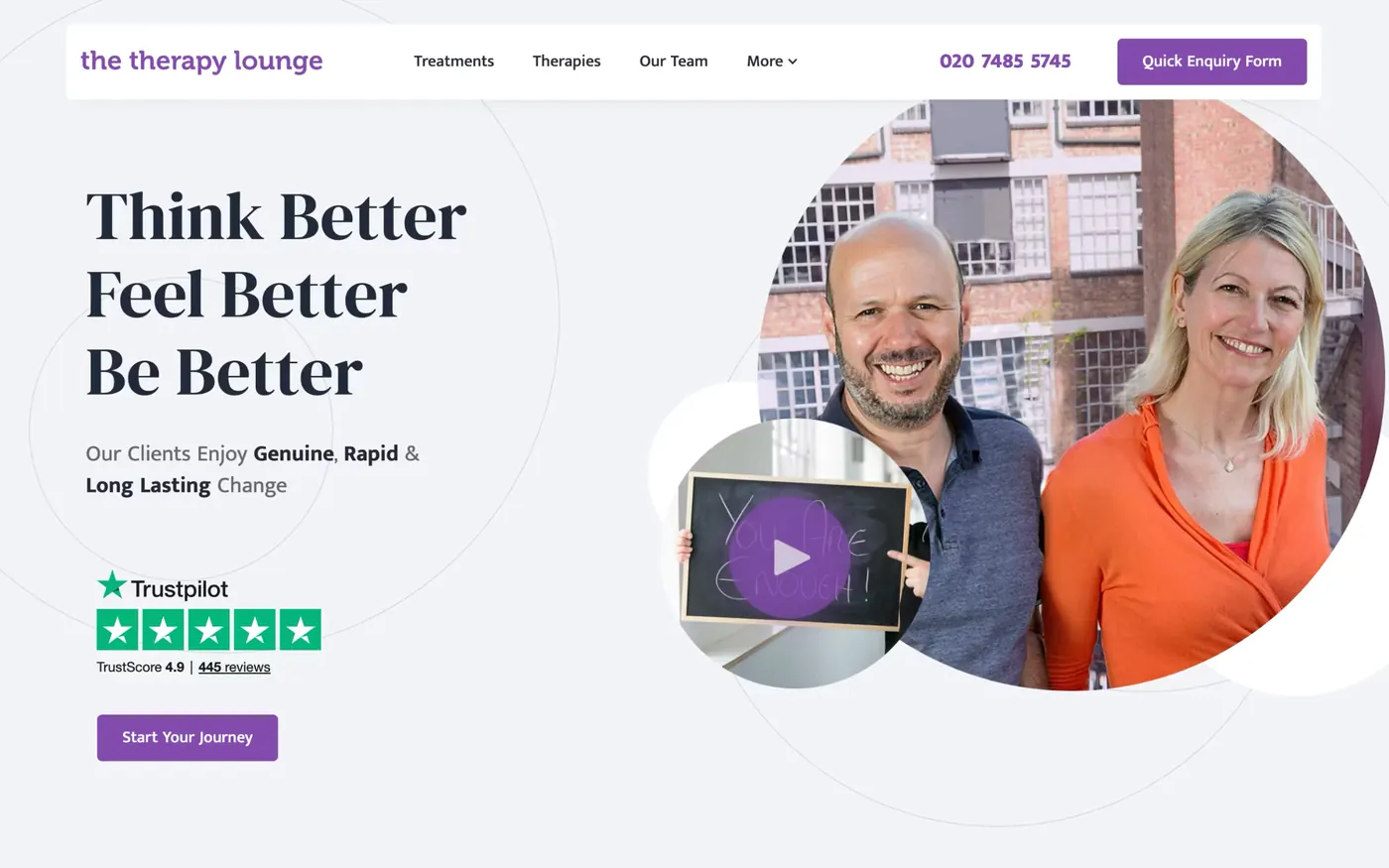
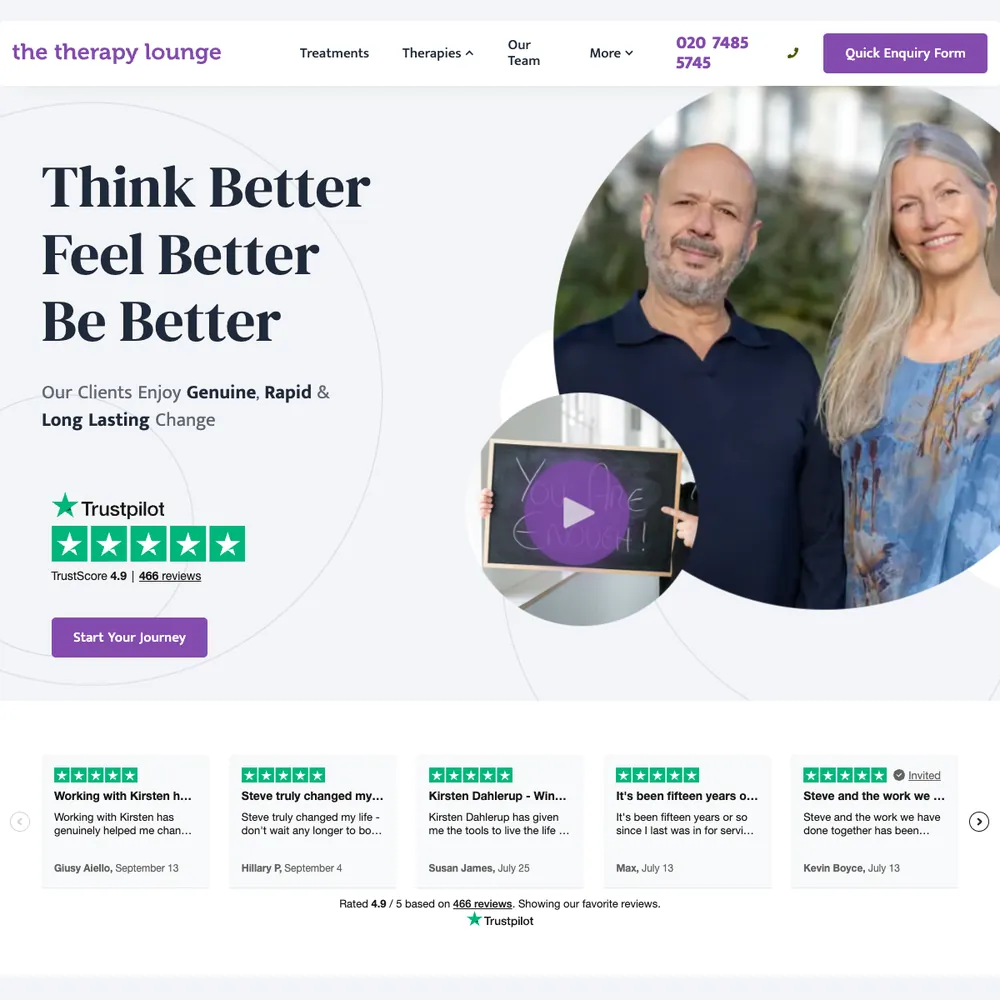
The Therapy Lounge
70% more enquiries, 6.6x return on ad spend in October 2025, and 316 enquiries tracked from April 2025 to October 2026.
Read the story - Client work
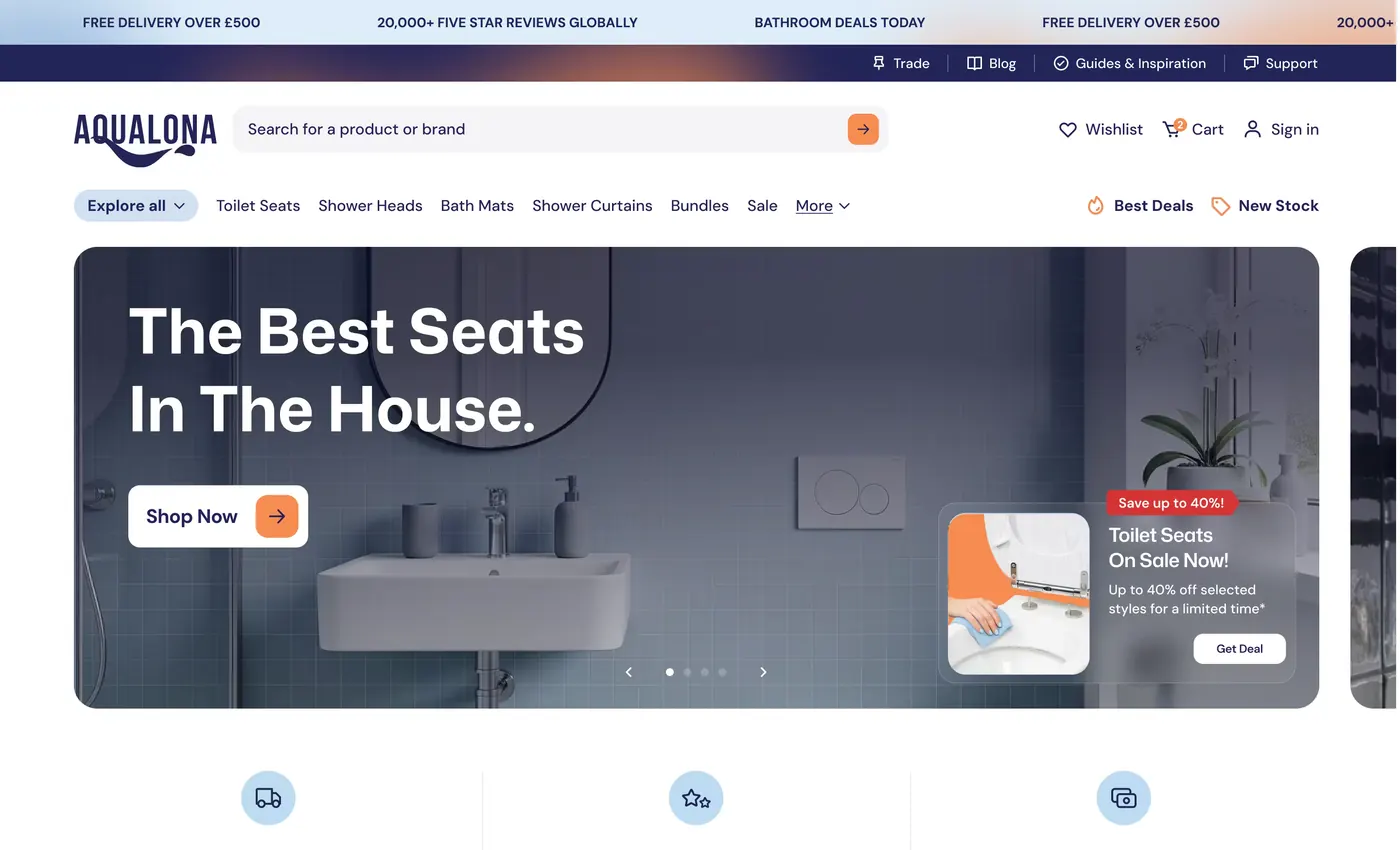
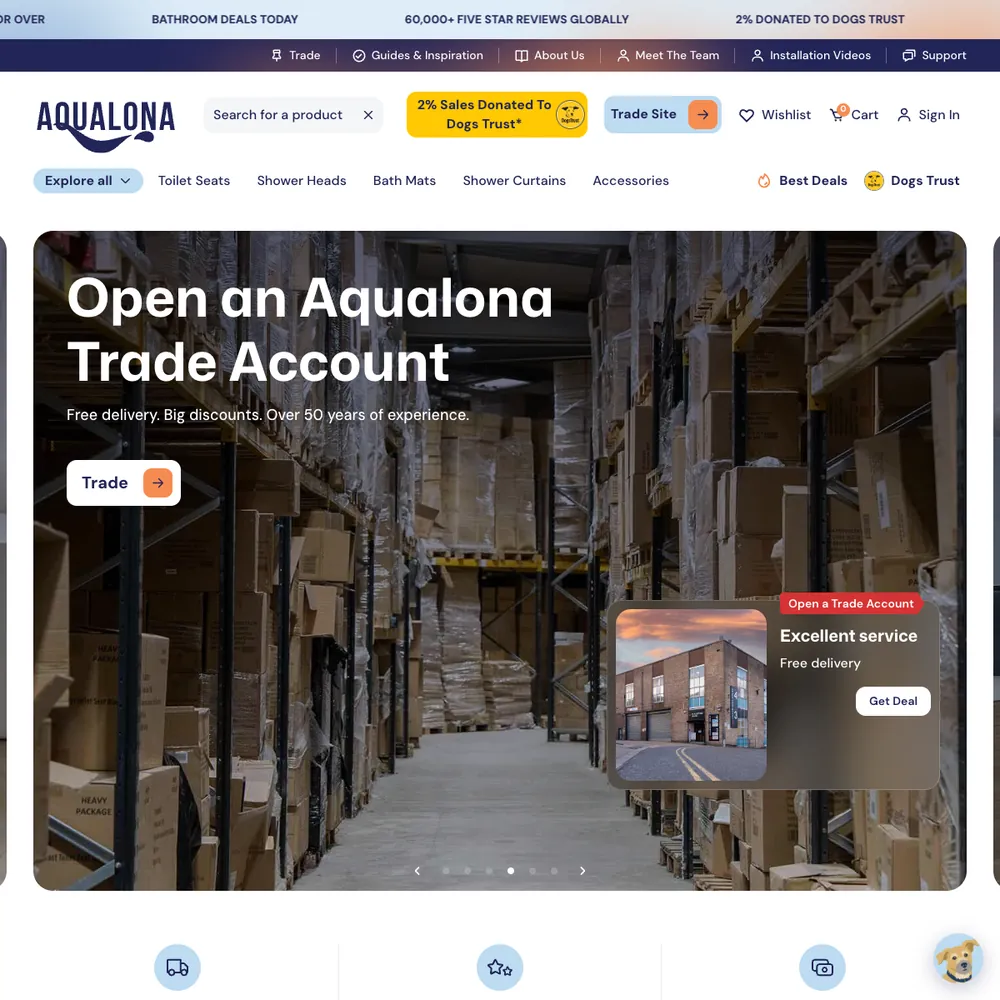
Aqualona
A headless Webflow and Shopify store that went from a handful of orders to 1000s tracked in its first months, each matched to the visit that started it
Read the story - Client work
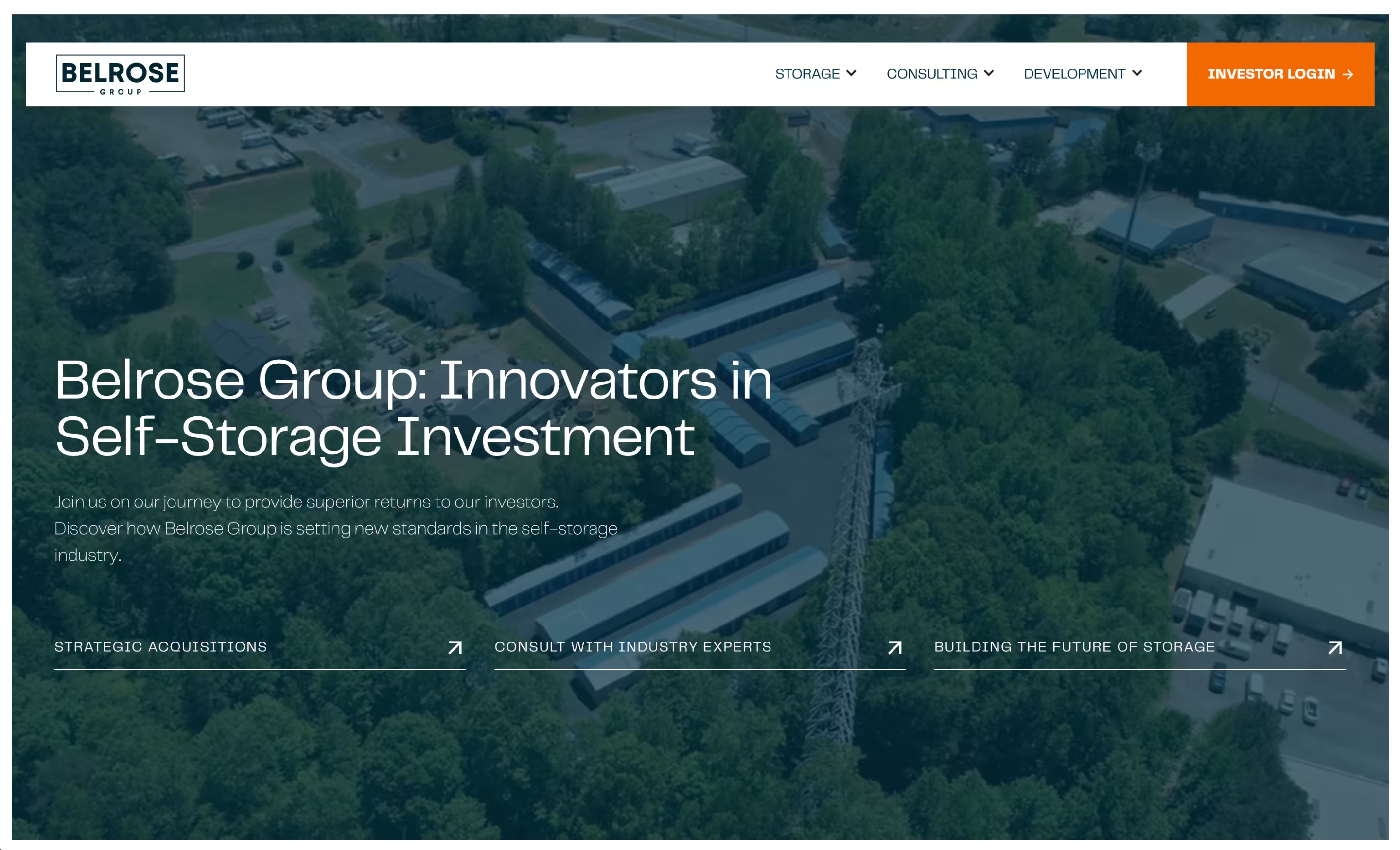
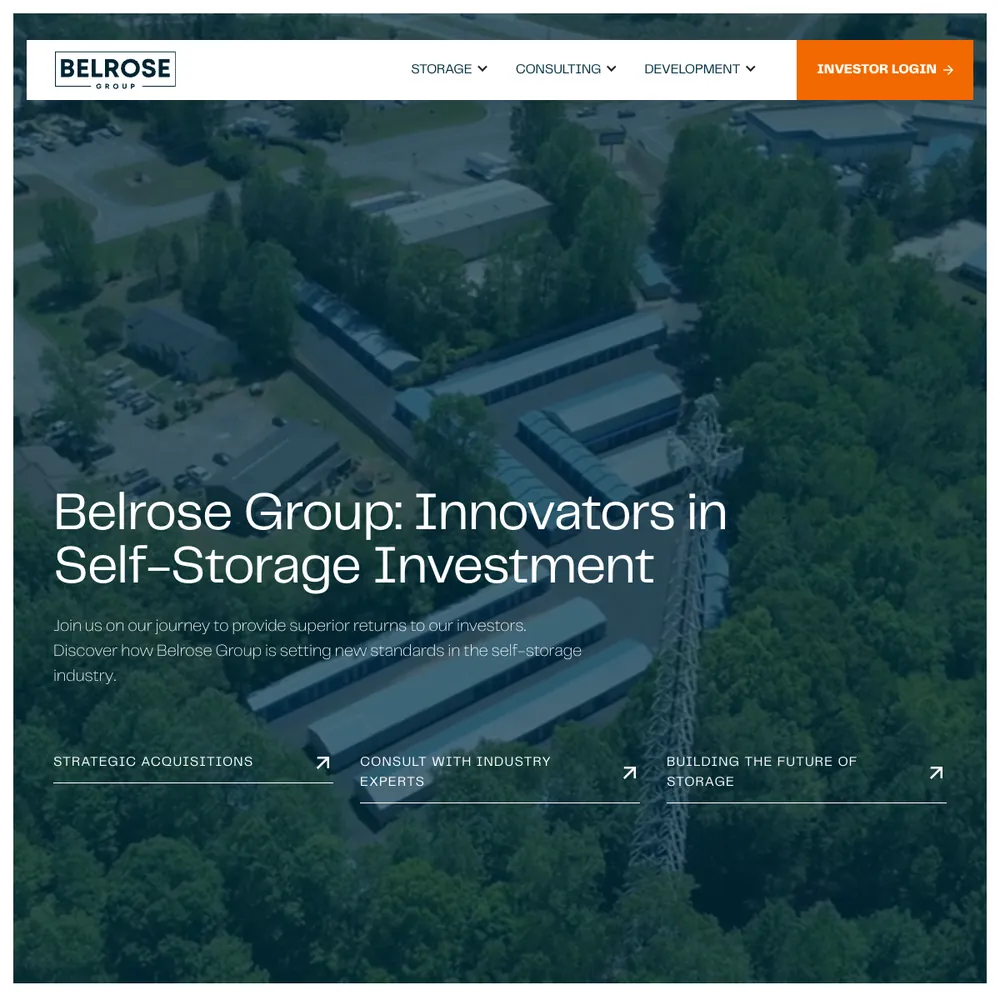
Belrose Group
A self-storage investment, development and consulting firm got a new Webflow site with a page for each of its three divisions, a lead funnel it trusted, and its investor portal moved to a new platform.
Read the story
Services that use it
We don't sell it on its own. Each of these services uses it alongside the rest of your setup.
What Meta is
Meta Ads Manager is where you run ads on Facebook, Instagram and Messenger. You pick a goal (awareness, traffic, leads or sales), an audience, a budget and some creative, and Meta shows the ads in an auction. Costs depend on how many advertisers want the same people.
Meta shows ads to people by who they are and what they follow, not by what they typed, so it's the way to reach someone who hasn't started looking. It learns from the conversions you send back: through the Meta pixel in the browser, through the Conversions API from a server, or both. Instant forms let people leave their details without leaving Facebook or Instagram.
Questions about Meta
Straight answers on how we work, what it costs and what to expect. If yours isn't here, just ask.
Still have questions?
Talk to usWhat impact do iOS updates have on Meta advertising and how do you adapt?
Since Apple's 2021 change, many iPhone users stop apps tracking them, so Meta sees less of what happens after an ad. We send conversions from the server as well as the browser, and judge results on your own records. On our own site those conversions also carry hashed contact details Meta can match.
What platforms do you use for paid marketing campaigns?
Google Ads and Meta (Facebook and Instagram), plus LinkedIn for B2B work. We use Microsoft Ads where a campaign needs it. Which ones we use depends on whether people search for what you sell.
How does Meta pricing work and what should you budget for advertising?
Meta sells ad space in an auction, so what you pay depends on who else wants the same people and what you're asking them to do. You set the budget. We work it back from what a customer is worth to you, test it, and scale only what shows up in your own records.
How much should I budget for paid marketing?
Start from what a customer is worth to you and what a lead costs in your market. The budget then needs to be big enough to get meaningful conversions in a month, and small enough that you can afford to find out it isn't working.
Want a quick starting figure from your revenue and a growth goal? Try the budget planner.
What’s the difference between paid search and paid social campaigns?
Paid search (Google Ads) shows your ad to people typing a query. Paid social (Meta, LinkedIn) shows it to people browsing. Search catches demand that's already there, and social creates interest in something new.
How do you create effective Meta advertising campaigns for e-commerce?
Tracking first. Purchases go to Meta from the server as well as the browser, sharing one event ID so each order counts once. Then we judge campaigns on the orders in your shop against your break-even return, not on what Meta reports.
How do you integrate Meta advertising with other marketing channels?
Through one tracking set-up and your CRM. The same lead and purchase events go to Meta, Google Ads and GA4 from one server container, and every lead keeps its ad source on its CRM record, so each channel is judged against the same leads.
How do Meta advertising platforms differ from Google Ads?
Google Ads shows your ad to people searching for something. Meta shows it to people by audience while they scroll Facebook and Instagram. If people already search for what you sell, start with Google. Meta reaches the people who aren't looking yet.
How do I know if paid marketing is right for my business?
Paid marketing works when you know what a customer is worth, people are looking for (or would respond to) what you sell, and you can see which ad brought each customer. If one of those is missing, we'd sort that first.
Want to size a starting budget from what a customer is worth? Try the budget planner.
What are the best practices for Meta creative and content strategy?
Make lots of it. A campaign needs several angles in several formats for each stage of the funnel, each looking like it belongs in the feed and saying one thing. We test them against each other and keep the ads that bring in leads or sales in your own records, not the ones with the most clicks.
Show 3 more questions
What is paid marketing and how does it work?
Paid marketing means paying to put your business in front of people, usually through ads on Google, Meta or LinkedIn. You set a budget and an audience, and you pay per click or per thousand views. The hard part is knowing which ads bring customers.
How do you measure ROI and attribution from Meta advertising campaigns?
We judge Meta on the leads and sales in your own records, not on the return Meta reports. Every form carries the ad's click ID into your CRM, and conversions go back to Meta from the server, so Meta's count can be checked against the same leads.
What are the most effective Meta ad formats for different business goals?
No format has only one job. A funnel needs lots of ads running at once: different formats and angles for people meeting you for the first time, for people who've visited, and for people close to buying, each matched to the page it leads to. We make them in every size, test them against each other and keep the ones that bring in leads or sales.
Start with your numbers.
We'll tell you which tools you need and which connections are missing.














Bring your numbers.
We'll tell you if the spend makes sense.
- A 15-minute callYour goals, your challenges, and whether we're the right fit.
- A 1-hour discovery callWe dig into your numbers. Worth a hundred emails.
- A concrete planAds, a custom build or both, as a one-off project or ongoing.