








Google Ads
- Search for lead gen
- Shopping and Performance Max
- CRM outcomes sent back
- Read-only account audits
Search for leads, Shopping and Performance Max for online shops. Conversion goals match what the business actually counts, and real leads and sales go back to Google.
- 3xmore leads reconciled to paid, once CRM stages went back to Google
- 18%lower cost per lead from the same work
- 5+client stories
- 8tools it connects to
What a good account does
Goals that match the business
Bidding follows the conversions marked primary. We keep that to real leads and sales, not video views or button clicks.
Tight keyword matching
We lean on phrase and exact match, with shared negative lists, so the budget goes on searches that sound like a buyer.
Outcomes sent back
Leads and deal stages from the CRM go back to Google as offline conversions, so bidding learns from what closed.
Shopping for shops
Product ads run from your Merchant Center feed, and Performance Max sits alongside once the shop has data to feed it.
Sensitive categories handled
Health and therapy ads face stricter Google policies. We write the ads and landing pages to fit the policy, so the account stays approved.
Audits you can act on
Each account gets a read-only audit that ranks fixes: act now, this week, backlog. Each one states what, why and the exact action.
Google Ads is the core of our paid media work. We run accounts for lead-generation and ecommerce clients, and we read every one through the Google Ads API from our own manager account.
How we choose campaign types
- Lead generation: standard Search campaigns, phrase and exact match, built around what a customer is worth.
- Online shops: Shopping first. We've also run Performance Max as one catch-all campaign alongside generic Search.
- Performance Max for shops only. For lead generation we keep to Search, where we can see the queries.
Conversions that match the business
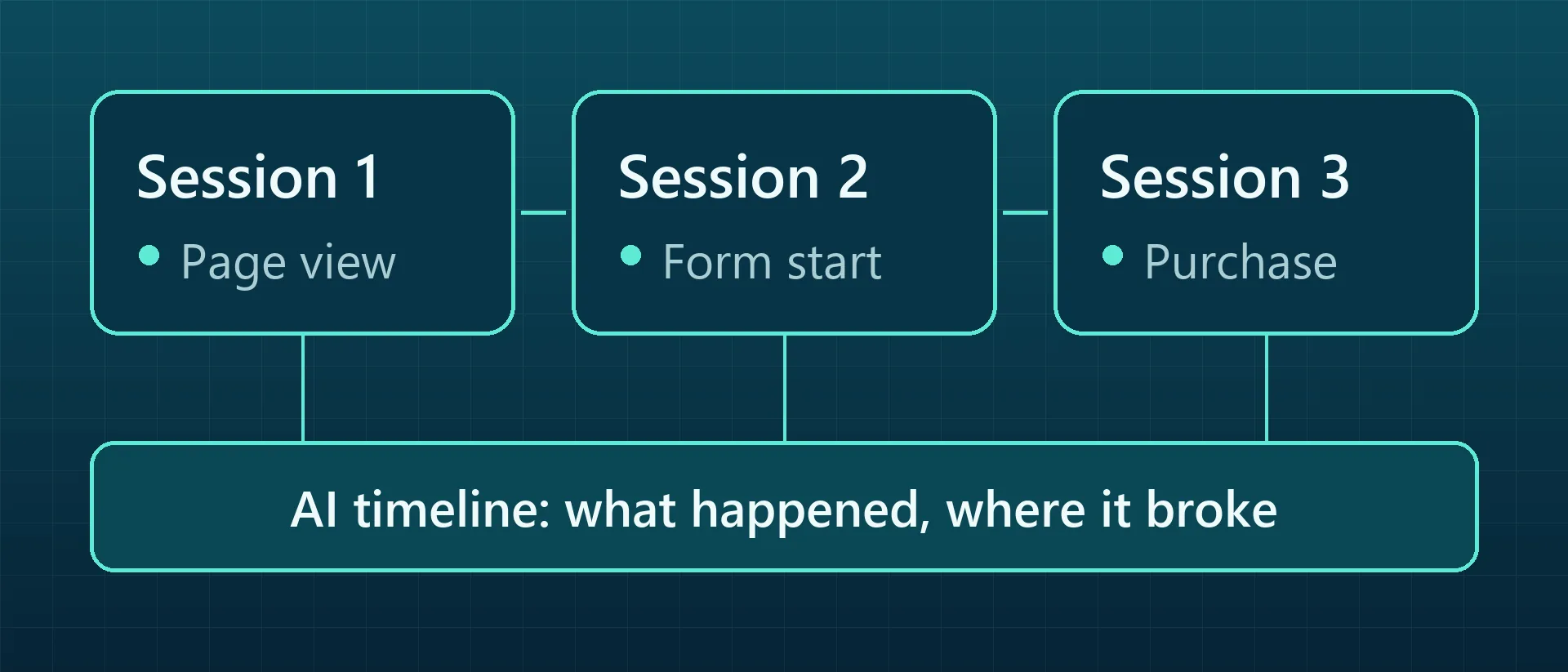
Conversion actions mirror the definitions in GA4, and the click ID is carried through to the CRM. Only actions that count real outcomes stay primary, so bidding follows form submissions and CRM stages only.
Where the CRM is HubSpot, lifecycle stages (MQL, customer) upload to Google Ads as offline conversions, and the click ID can travel from the ad into HubSpot and on to Salesforce. When we set this up across HubSpot and Salesforce, 3x more leads were reconciled to paid, and cost per lead fell 18%.
What an audit finds
Audits are read-only: nothing in the account changes until it's agreed. Fixes are ranked as act now, this week and backlog, each with the numbers behind it. Things we check for:
- Test campaigns with a fixed budget and an end date, which take their impressions with them when they finish.
- Broad-match keywords pulling in searches nobody would buy from, and campaigns with no negative lists.
- Ads disapproved because their links point to more than one domain, which can stop a whole campaign delivering.
Why we track leads back
An earlier search campaign of our own won a client, but Google Ads showed zero conversions because the lead was never tied back to the click. That's why we send outcomes back.
Where it's server-side, Stape sends the conversions.
Google Ads or Meta?
They do different jobs. Pick what you're selling and we'll tell you where we'd start.
A service people search for
| What matters | Google AdsOur pick |  Meta |
|---|---|---|
| How people find you | Searching for what you do | Seeing your offer while scrolling |
| Best for | Capturing demand that exists | Testing offers and creative |
| What we set up | Phrase and exact match Search | Campaigns once the offer is clear |
| Tracking | Leads sent back from your CRM | Server events through the Conversions API |
Our pick: Google Ads. When someone types the problem you solve, Search puts you in front of them at that moment. It's where we start for lead generation.
Something new people haven't heard of
| What matters | Google Ads | MetaOur pick |
|---|---|---|
| How people find you | Only once they search | While they scroll |
| Best for | Catching the people who go looking afterwards | Putting an offer in front of people while they scroll |
| What we do first | Add Search after you have demand | Test the offer and the creative |
Our pick: Meta. Nobody searches for what they don't know exists, so you need to reach them first. Google Search can follow when demand starts to show.
An online shop
| What matters | Google AdsOur pick | Meta |
|---|---|---|
| Product ads | Shopping from your Merchant Center feed | Retargeting visitors |
| Wider reach | Performance Max once the shop has data | Prospecting with creative |
| What it needs | A product feed and conversion value tracked properly | Creative and a working pixel and server events |
Our pick: Google Ads, with Shopping first. It sells products from your feed to people searching for them. Meta can retarget visitors afterwards.
Google's campaign facts are from its Ads help pages, October 2026. How we pick between them is our own working rule, from client accounts and Pacing's notes.
What we connect it to
Spending more doesn't fix a weak account. If Google is told a form fill is a win, it finds more form fills, whether or not anyone buys. We start with what a customer is worth.
 GTMFires the conversion events Google Ads counts.
 BigQueryCost and clicks land next to leads and outcomes.
 n8nCan carry lead outcomes from other systems back to Google Ads as offline conversions.
 HubSpotThe click ID and campaign from each ad end up on the contact.
 CursorWe read account data through MCP.
 Looker StudioLooker Studio reads cost, clicks and conversions directly.
 GoogleLinked to Analytics and the tag container, so conversions can be followed to the ad.
- MetaSearch catches people already looking. Meta reaches the people who aren't yet.
Show 4 more
It's one part of the setup.
If another part is broken, this one wastes money.
What's a customer worth?
- 1
- 2
- 3
- 4
Where we've used Google Ads
- Client work
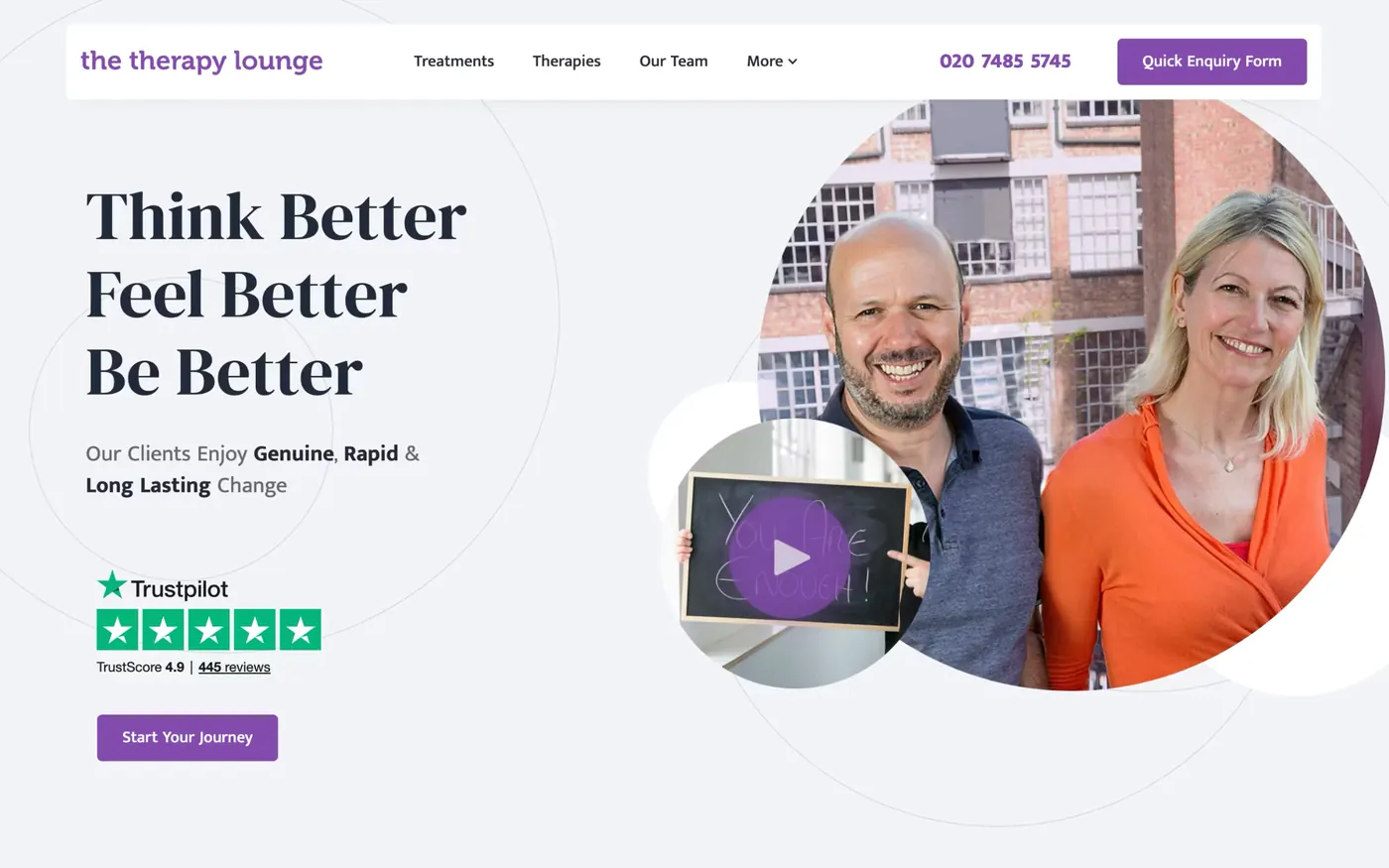
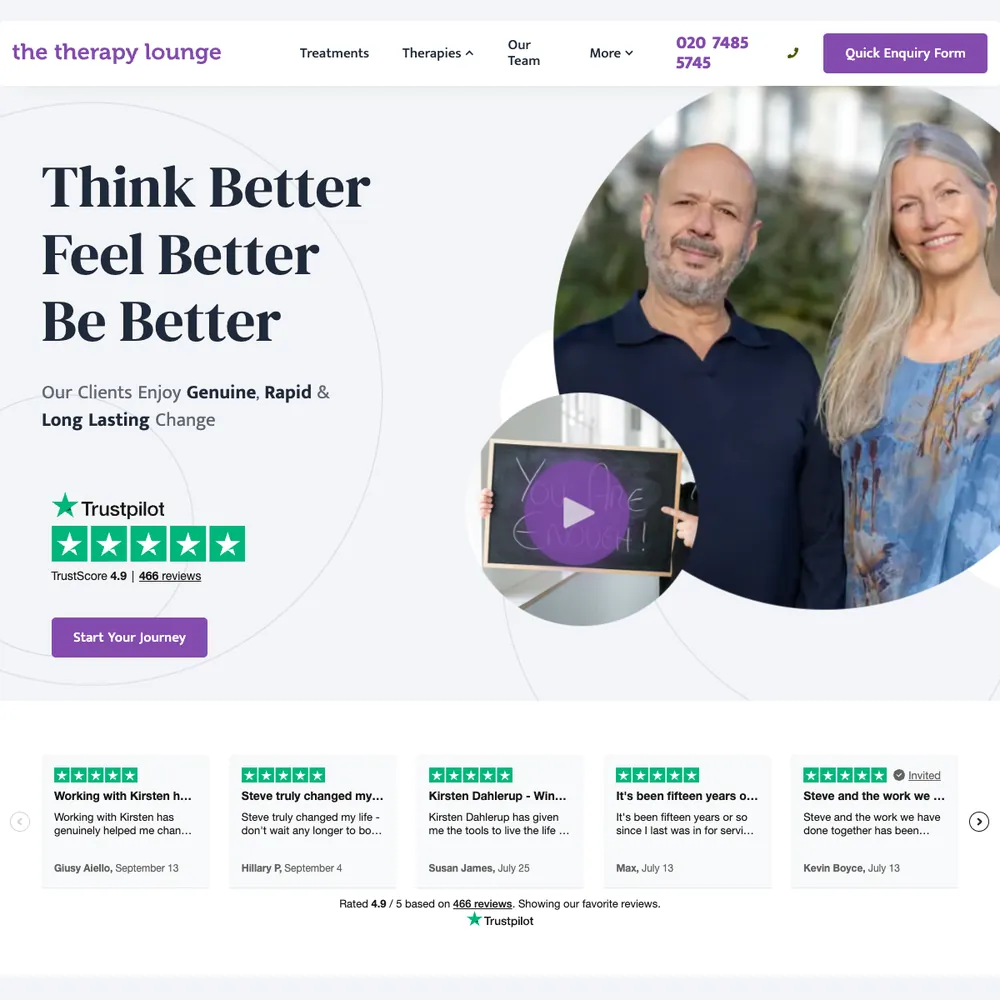
The Therapy Lounge
70% more enquiries, 6.6x return on ad spend in October 2025, and 316 enquiries tracked from April 2025 to October 2026.
Read the story - Client work
FE fundinfo
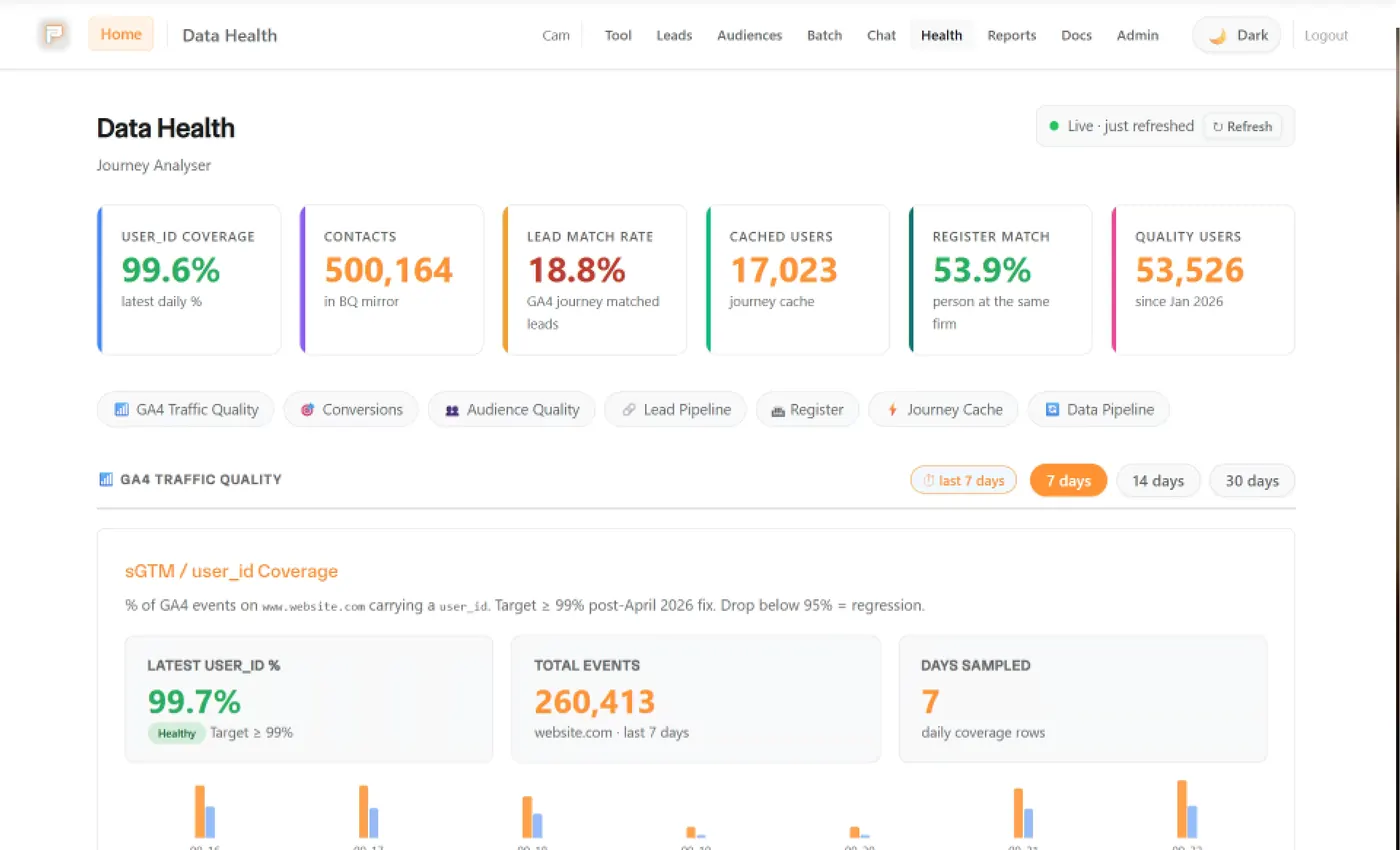
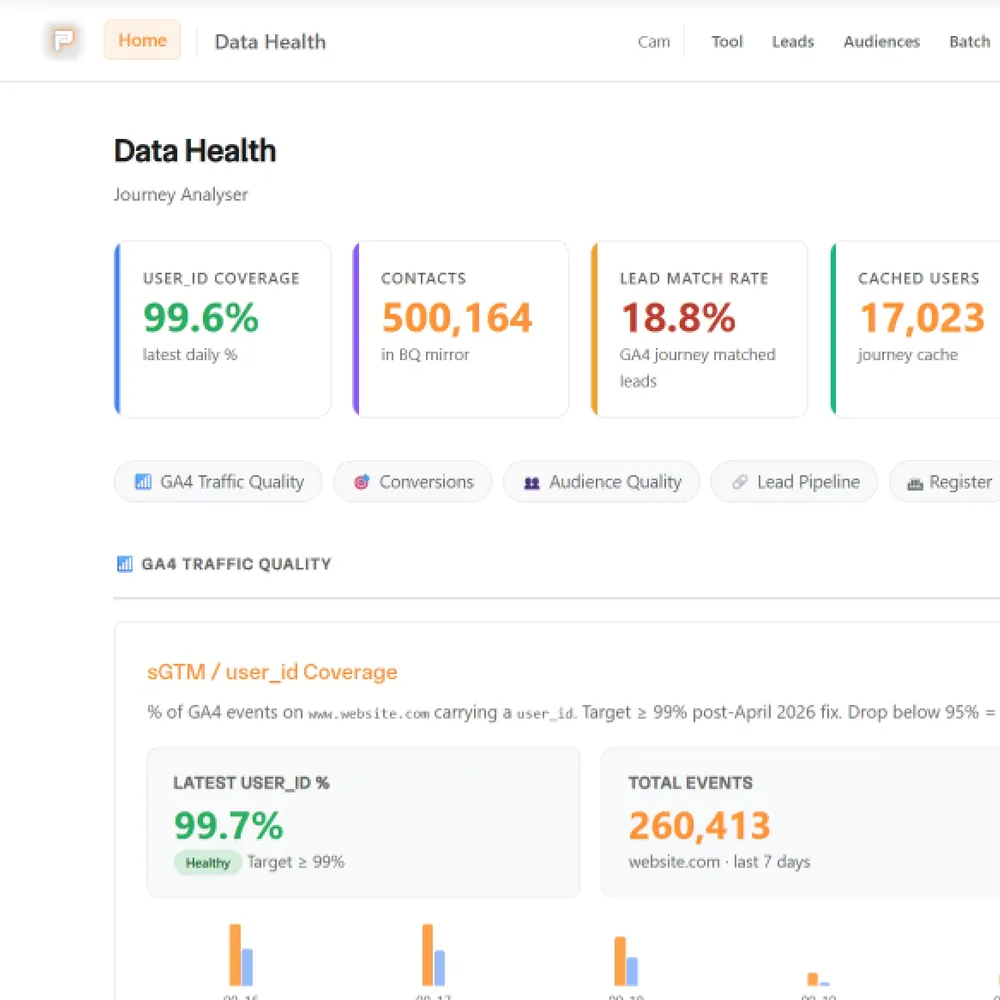
Paid media and measurement for Wealth Management, plus a custom journey analyser so the team can see real multi-touch journeys
Read the story - Client work
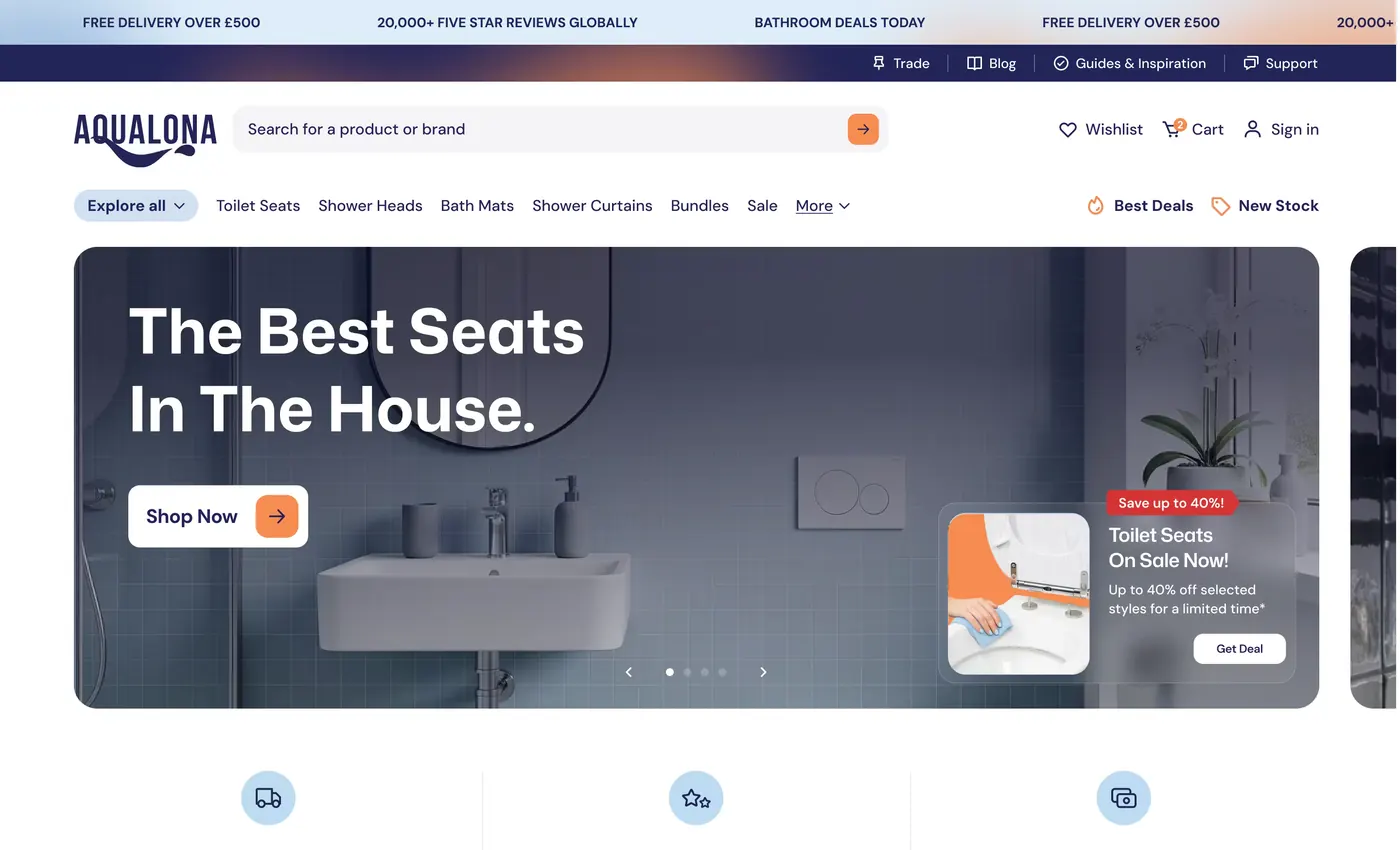
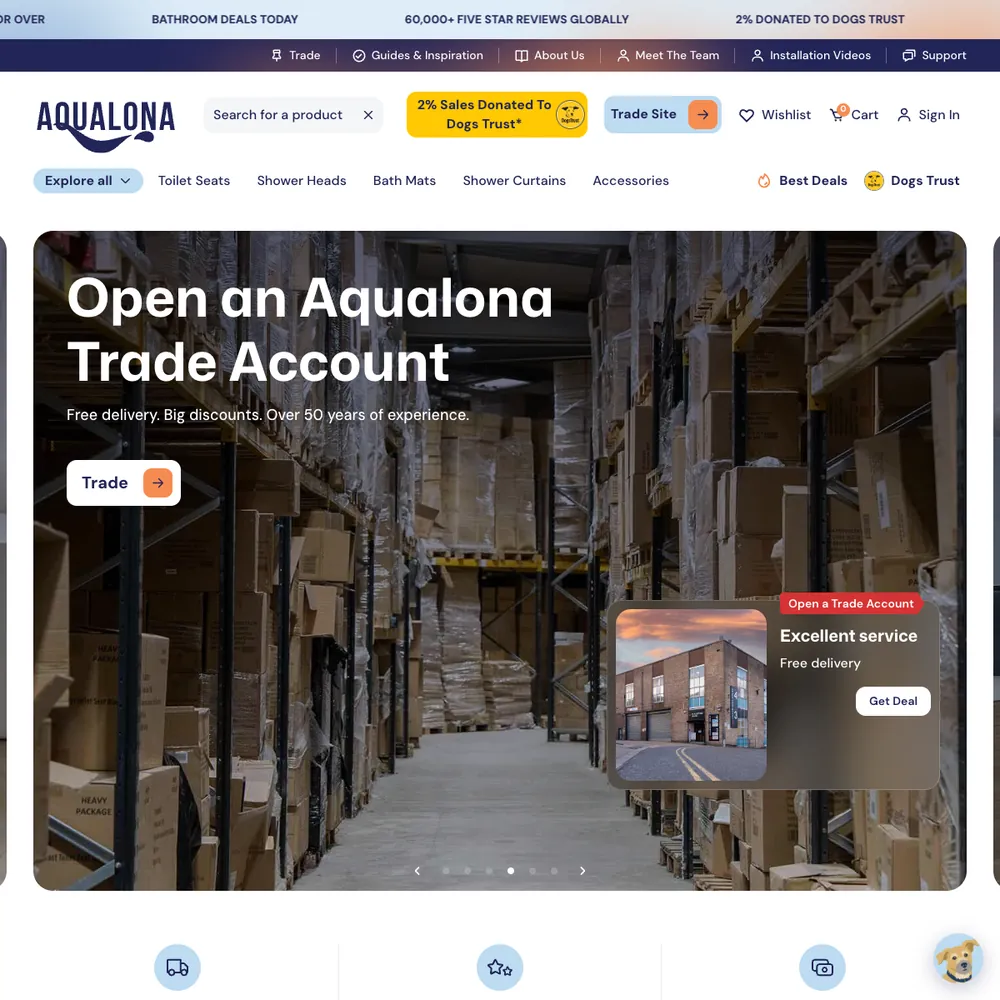
Aqualona
A headless Webflow and Shopify store that went from a handful of orders to 1000s tracked in its first months, each matched to the visit that started it
Read the story - Client work
Hear Me London
A London audiology clinic got local pages, an online hearing test that logs to a sheet and emails the clinic, and server-side tracking behind every booking: 378 online bookings in 15 months, over half from organic search.
Read the story - Client work
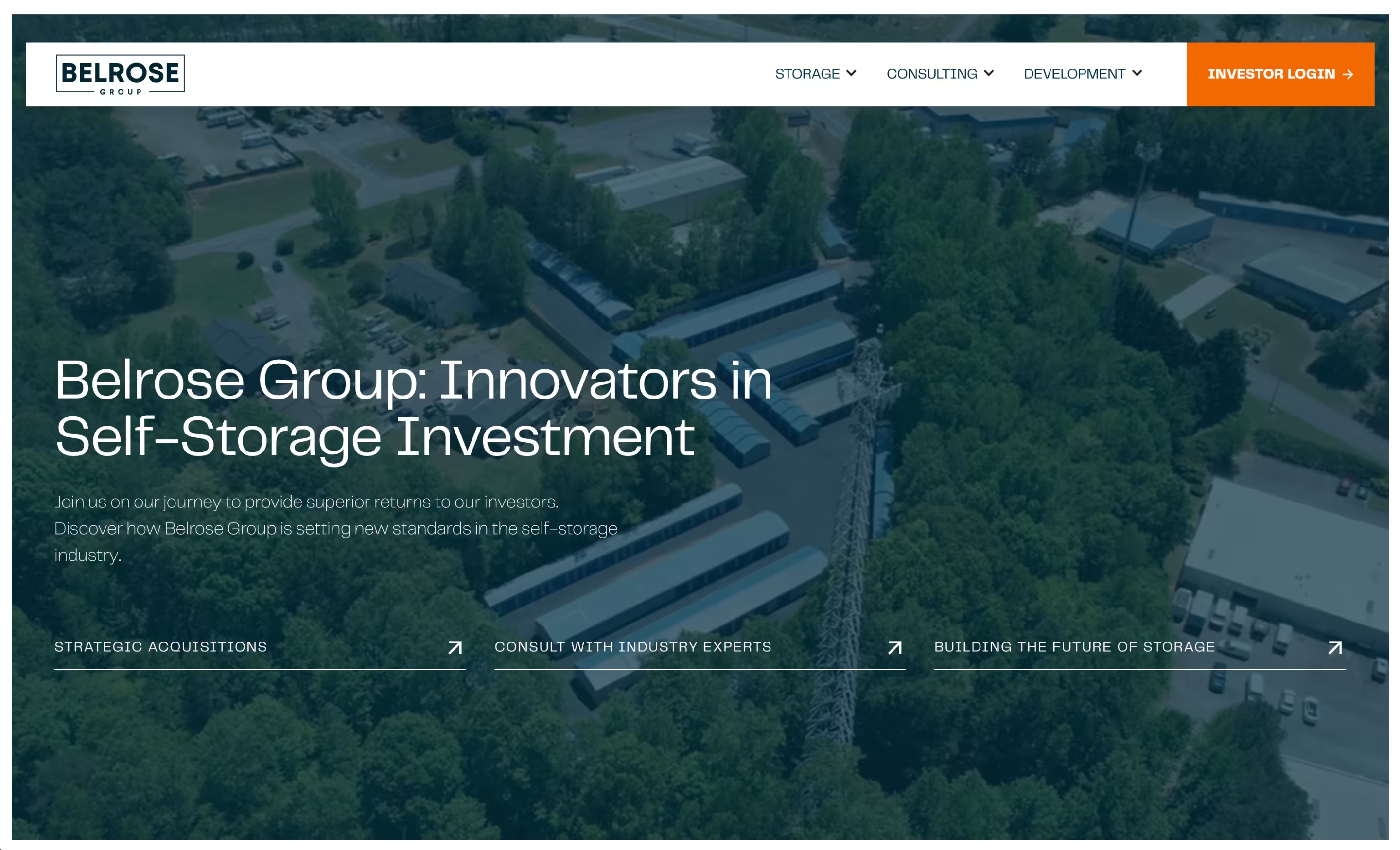
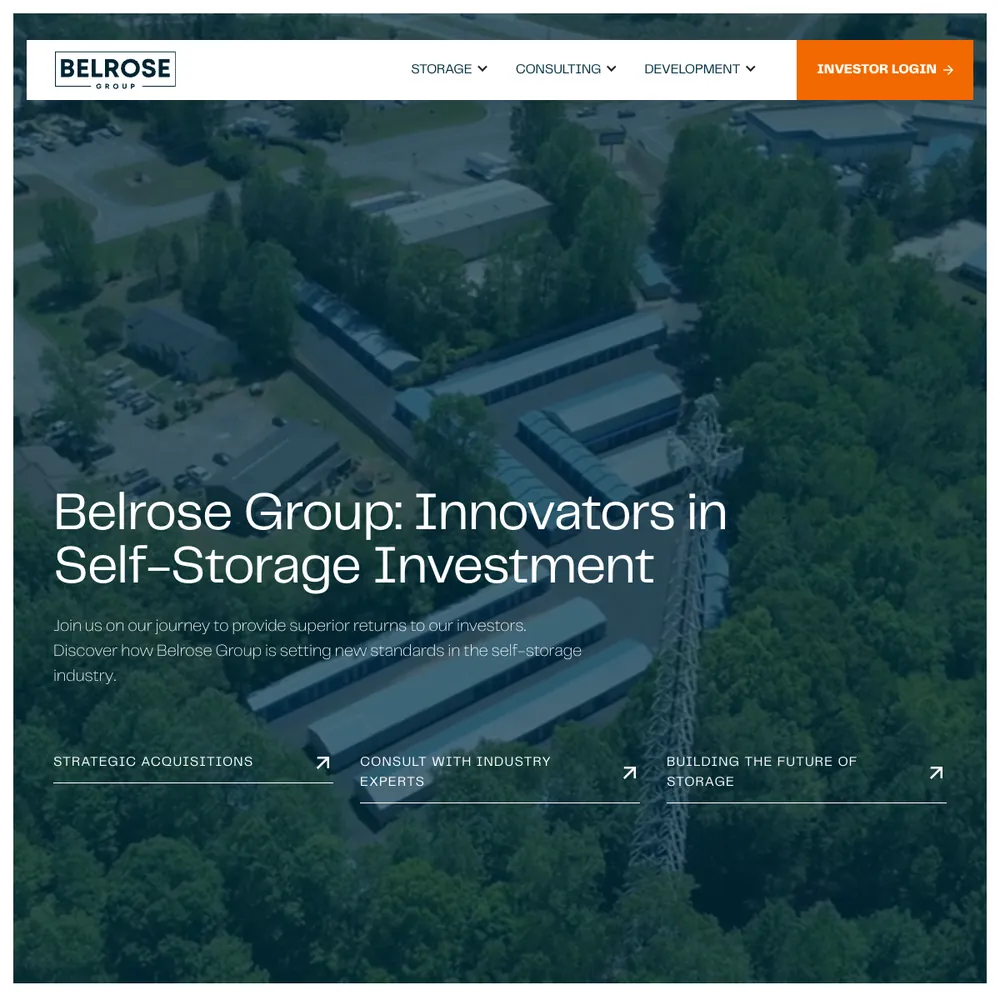
Belrose Group
A self-storage investment, development and consulting firm got a new Webflow site with a page for each of its three divisions, a lead funnel it trusted, and its investor portal moved to a new platform.
Read the story


Services that use it
We don't sell it on its own. Each of these services uses it alongside the rest of your setup.
- Funnel ManagementDon't let leads fall through the gaps. We build the whole funnel, from the ad to the follow-up, then keep improving it.Related tools: Webflow, Google Tag Manager (GTM), Stape, CloudflareHow it fits
- Place in the loop: AdsPaid MarketingGoogle, Meta and LinkedIn ads, run end to end and judged on the customers they bring in, not the clicks.Related tools: Google Ads, Meta, LinkedIn, Google Tag Manager (GTM)How it fits
- Management, Support & ReportingAfter launch, we check your ads, website and tracking every month, fix what slipped, and send you a report that ends with what to do next.Related tools: Looker Studio, Google Analytics 4 (GA4), BigQuery, Google AdsHow it fits
What Google Ads is
Google Ads is Google's advertising platform. Search ads show when someone types a query that matches your keywords. Shopping ads show products from your Merchant Center feed. Performance Max is a goal-based campaign that serves across Google's channels, including YouTube, Display, Search, Discover, Gmail and Maps, from one set of assets. For shops, it also uses a product feed.
You pay per click on most campaign types, and the account's bidding follows whatever you tell it counts as a conversion. That's why the set-up matters more than the budget.
Questions about Google Ads
Straight answers on how we work, what it costs and what to expect. If yours isn't here, just ask.
Still have questions?
Talk to usWhat makes Google Ads different from other advertising platforms?
Google Ads shows your ad to someone who has just typed what they want, so the intent is already there. On Meta or LinkedIn you're reaching people who weren't searching, at a different moment. The set-up matters most: we count real leads and sales as conversions, so Google learns from outcomes and not from form fills.
What’s the difference between paid search and paid social campaigns?
Paid search (Google Ads) shows your ad to people typing a query. Paid social (Meta, LinkedIn) shows it to people browsing. Search catches demand that's already there, and social creates interest in something new.
How do I optimise Google Ads campaigns for better performance?
Start with what the account is counting, then look at the searches it's paying for. Two common causes of wasted spend are bidding towards the wrong conversion or buying searches nobody would buy from. We check those two before we touch ad copy or bids.
How do you measure ROI across all Google marketing channels?
We measure it against the leads and sales in your own records, not the numbers each Google tool reports. Google Ads, GA4 and the rest each count conversions their own way, so we set them up around one definition of a customer and check them against your CRM or shop orders.
What is ad platform integration and why does it matter?
Ad platform integration means joining your website, tracking and CRM to the ad platforms, so they receive the leads and sales that came from their ads. Without it, bidding learns from clicks and form fills instead of customers.
What are the key stages of a successful marketing funnel?
A funnel runs from someone first hearing about you, to them getting in touch, to them becoming a customer. We map each step, find where people can drop out, and build the ads, landing pages, tracking and follow-up as one route, so spend goes where it pays back.
What's the difference between Google Ads and Google Shopping campaigns?
Search campaigns show text ads when someone types a keyword you've chosen. Shopping campaigns show your products, with image and price, built from your Merchant Center product feed instead of keywords. Shopping is one of the campaign types inside Google Ads.
How much should I budget for Google Ads campaigns?
Work backwards from what a customer is worth, not forwards from what you can spare. The budget needs to be big enough to get enough conversions for bidding to learn, and small enough that you can afford to find out it isn't working.
Want to work that out from revenue and a growth goal? Try the budget planner.
What platforms do you use for paid marketing campaigns?
Google Ads and Meta (Facebook and Instagram), plus LinkedIn for B2B work. We use Microsoft Ads where a campaign needs it. Which ones we use depends on whether people search for what you sell.
What targeting options does Google Ads provide?
Google Ads lets you target by keyword, location, device, time of day, audience and demographics, and show ads again to people who've visited your site. For lead generation we build around keywords on phrase and exact match, with shared negative lists, because they tie the ad to what someone has just searched for.
Show 11 more questions
What is paid marketing and how does it work?
Paid marketing means paying to put your business in front of people, usually through ads on Google, Meta or LinkedIn. You set a budget and an audience, and you pay per click or per thousand views. The hard part is knowing which ads bring customers.
How much should I budget for paid marketing?
Start from what a customer is worth to you and what a lead costs in your market. The budget then needs to be big enough to get meaningful conversions in a month, and small enough that you can afford to find out it isn't working.
Want a quick starting figure from your revenue and a growth goal? Try the budget planner.
How do Meta advertising platforms differ from Google Ads?
Google Ads shows your ad to people searching for something. Meta shows it to people by audience while they scroll Facebook and Instagram. If people already search for what you sell, start with Google. Meta reaches the people who aren't looking yet.
How do you stay compliant with Google's advertising policies?
We write health and therapy ads inside Google's policies, and our account audits check for disapproved ads and limited campaigns. Google decides what's allowed and its rules change, so we can't guarantee an ad won't be disapproved.
How do Google's marketing tools work together for better results?
They share data once someone links them: Google Ads and GA4, Search Console and GA4, Tag Manager for the tags, Looker Studio for the reports. We use them together by sending the same definition of a customer to GA4 and Google Ads, and by building reports from GA4, Google Ads and BigQuery.
How long does it take to see results from Google Ads?
Clicks start as soon as your ads are approved. Knowing whether those clicks make money takes longer, because bidding needs conversions to learn from and leads take time to turn into sales. We can't promise a date when an account pays back, because it depends on your sales cycle and how many conversions the account gets.
What are Performance Max campaigns and should I use them?
Performance Max is one Google Ads campaign that serves across YouTube, Display, Search, Discover, Gmail and Maps from your assets. For shops it also uses your product feed. We've set it up for an online shop alongside Shopping. For lead generation we build Search campaigns, where we can see the queries.
How do I track conversions and measure ROI in Google Ads?
We set up tags that count form fills as conversions, save the ad's click ID with each lead, and send what happened to those leads in your CRM back to Google Ads, so bidding can learn from real customers. Only real leads and sales are set as primary conversions.
Once the tracking is in place, you can check the spend itself with the spend check.
What’s your approach to optimising paid campaigns for better results?
We fix the measurement first, then the searches or audiences you're paying for, then budgets and creative. We check platform numbers against your CRM before moving budget.
Want a quick read on whether current spend clears break-even? Try the spend check.
How do you measure the success of a paid marketing campaign?
We measure against leads and sales in your own records, not just what the ad platform reports. Cost per lead, cost per customer and return on ad spend come from there.
Want to run your own ROAS or cost per customer against a margin? Try the spend check.
How do I know if paid marketing is right for my business?
Paid marketing works when you know what a customer is worth, people are looking for (or would respond to) what you sell, and you can see which ad brought each customer. If one of those is missing, we'd sort that first.
Want to size a starting budget from what a customer is worth? Try the budget planner.
Start with your numbers.
We'll tell you which tools you need and which connections are missing.













Bring your numbers.
We'll tell you if the spend makes sense.
- A 15-minute callYour goals, your challenges, and whether we're the right fit.
- A 1-hour discovery callWe dig into your numbers. Worth a hundred emails.
- A concrete planAds, a custom build or both, as a one-off project or ongoing.