Approach

Every business is different, so we always start with a conversation.

How we work
About

We're a small London team of marketers, and we use AI to go faster.

About us
  • Cam BowenCam BowenCo-founder
  • Ben PowerBen PowerCo-founder
  • ElectraElectra
  • MahirMahir
  • NatashaNatasha
  • RahabaRahaba
  • ZobaerZobaer
Tool · AI

Claude Code

The AI we trust most to change our code. It plans the work, builds the hard parts, briefs Cursor's agents on the rest and reviews what comes back. A person decides what goes live.

Why we use it

Why it's the AI we trust with our code

  • Works like a careful developer

    It reads the repository, makes the change on a branch, runs the tests and opens a pull request for a person to read.

  • Follows our rules

    A CLAUDE.md file in each repository holds the house rules. Ours is generated from the same source as Cursor's, so both tools behave the same way.

  • Hooks we control

    Our own checks run before it acts. One blocks email, chat and publishing unless someone asked for that in the same message.

  • Sub-agents for big jobs

    A lead session splits the work across agents, each in its own copy of the repository, then reviews and merges what they send back.

  • It manages other agents

    It briefs Cursor's agents on clear-cut jobs, watches them, steers them mid-run and reviews their pull requests.

  • Runs where you work

    Terminal, VS Code or Cursor, JetBrains, the desktop app and the browser, all with the same settings and tool connections.

Our verdict

Claude Code: our current call

Pick

The AI we trust most to change our code. We run it inside Cursor, with our own rules and a person reading every pull request.

Last known verdict

Why

  • It reads the repository, works on a branch and opens a pull request for a person to read.
  • It follows the same house rules as Cursor, copied from one source.
  • A hook stops it doing work that belongs to another tool.

What would change our mind

Another coding agent that sticks to our rules and review habits better.

Claude Code's the AI we trust most to change our code. It runs as a panel inside Cursor, our pick for now. It reads the repository, makes the change on a branch and opens a pull request on GitHub, and a person reads it before anything goes live. Which models do the work is on the Anthropic page.

It runs the build, not just the typing

  • Plans first. On a big job, it writes a short design note (approach, files, risks) before anyone builds anything.
  • Builds the parts that need judgement, like page design and anything with open questions, with sub-agents each in their own copy of the repository.
  • Briefs Cursor's agents on the clear-cut parts (fixes, small features, docs), watches them, steers them if they drift and reviews every pull request they open.
  • Checks its own work. It screenshots the pages it changes at desktop and phone width with Playwright and runs the tests before a person sees anything.

One rule set, two tools

We write our rules once, for Cursor. A generator turns them into Claude Code's own rules, agents, skills, hooks and tool connections, and a drift check (--check) fails in any repo where the two disagree. Both tools follow the same house rules: British English, and no email or chat message goes out unless someone asked for it in that message.

Checks on every session

  • Start-of-session sync check. It tells us if a clone is behind GitHub or on a branch that's already merged, before anyone builds on stale code.
  • Tidy-up. A hook removes worktrees and branches that are merged, clean and idle, and lists anything with unmerged work for a person to decide.
  • Work stays in lanes. Each of our machines denies personal connectors (mail, calendar, Drive) to Claude Code, so mail and calendar only go through our own set-up.

Safety rails

In our operations repository, a hook blocks Claude Code's outbound email and publishing unless a person asks for that action there and then. A pre-commit hook blocks any commit with credential-shaped text in it. AI builds it, AI reviews it, the checks run, and a person decides what goes live.

What it builds

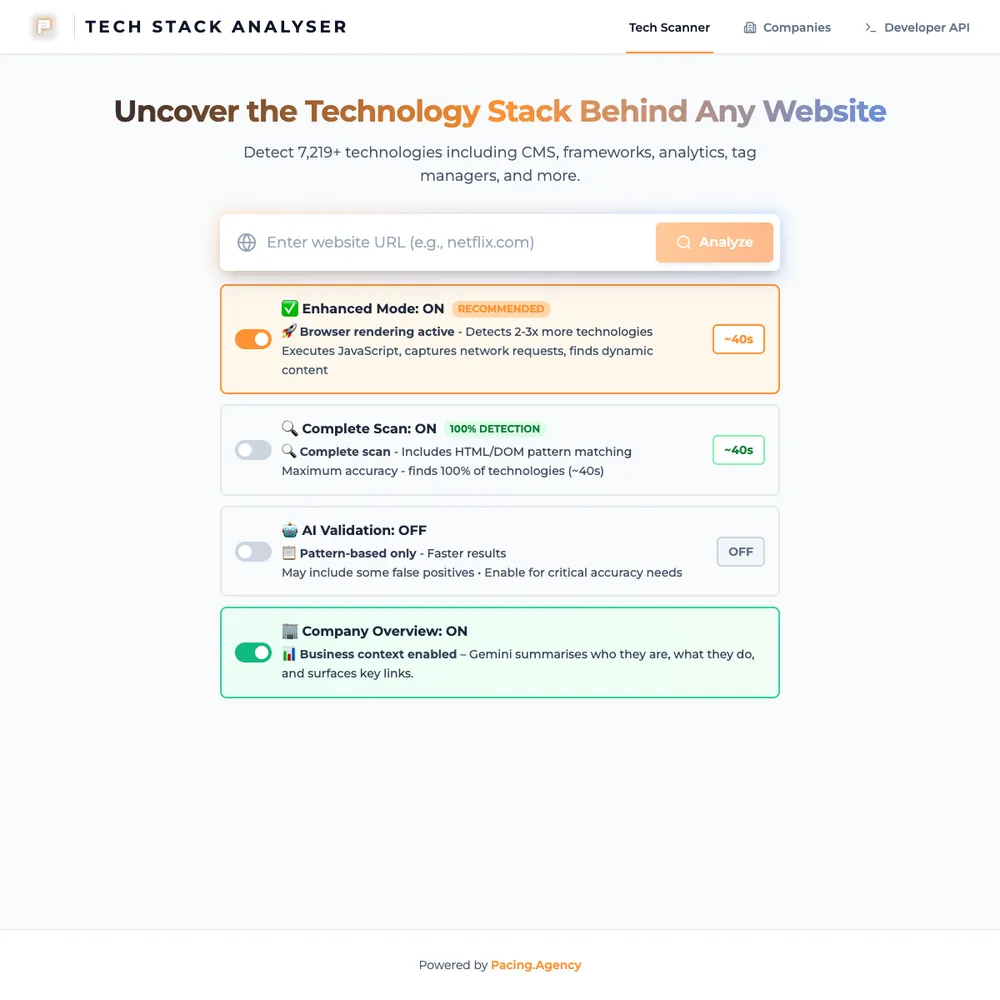
This website (its lead form posts to n8n) and our own tools, like TechStack Analyser.

As of 10 October 2026: 26 rules and a 1,001-line generator in our admin repository, 37 of the 45 repositories in our GitHub organisation carrying its CLAUDE.md, and 280+ pull requests merged on this website's repository since 22 September (780+ commits).

There's more on the wider setup on our AI page, and we set up the same thing for other teams: AI setup.


Compared

Claude Code or Cursor?

We pay for both and use them together. Pick the job and we'll tell you which one gets it.

What's the job?

Clear-cut coding jobs

What mattersClaude CodeCursorOur pick
ExamplesThe same jobs, using Claude allowance we'd rather keep for harder workA bug fix, a small feature, a refactor, a docs update
ModelsClaude's Sonnet and Opus, on our own Claude planCursor's own models, like Composer, on the Cursor plan
Where it runsYour terminal, editor, the desktop app or the browserCursor's cloud or a job on the laptop, each on its own branch
Long runsWeb and desktop sessions can run on without you tooCloud agents carry on after you close the laptop

Our pick: Cursor. Fixes, small features, refactors and docs go to a Cursor agent on Cursor's own models, which come with the plan. Claude Code writes the brief and checks the result.

Planning and judgement calls

What mattersClaude CodeOur pickCursor
Best atWorking out the approach, then building and checking itDoing a clear brief quickly
Big jobsA lead session splits the job across sub-agents and merges what they send backOne agent per job, each on its own branch
In our setupWrites the briefs, watches the agents and reviews their pull requestsTakes briefs and works on them
ModelsSonnet or Haiku for sub-agents, Opus only for the lead session when a job needs itCursor's own, plus others billed on usage

Our pick: Claude Code. Working out an approach, design-heavy pages and anything with open questions go to Claude. It also reviews what Cursor's agents send back.

Working in the code yourself

What mattersClaude CodeCursorOur pick
What it isAn agent for your terminal, an editor panel, the desktop app or the browserA code editor built on VS Code
How you workIt makes the changes and you review the diffYou edit, and the AI helps in the same window
GitHubCommits, branches and pull requests on its ownBranches and pull requests from the editor
Using bothIt reads the same rules, generated from one sourceClaude Code installs as an extension, so both share one window

Our pick: Cursor. It's a full editor, so you see the code, the AI and the terminal in one window, and Claude Code runs as a panel inside it.

Facts are from Cursor's and Anthropic's own pricing pages and docs, October 2026, and from how we run both today. Prices change, so we've kept them out.

Proof

Where we've used Claude Code

All our work

About the tool

What Claude Code is

Claude Code is an AI agent from Anthropic that works in your code. It reads a project, makes changes, runs commands and checks its own work. It runs in a terminal, in VS Code, Cursor and JetBrains, in a desktop app and in the browser, and it comes with a paid Claude plan or an Anthropic API account.

Questions

Questions about Claude Code

Straight answers on how we work, what it costs and what to expect. If yours isn't here, just ask.

Still have questions?

Talk to us
Why do you run Claude Code inside Cursor?

Cursor's an editor with GitHub sync and a good base allowance, so the code, the agent and the terminal all sit in one window. It's where Claude Code works best for us so far. That's our pick for now, and we'll say if it changes.

Can Claude Code send email or publish on its own?

Not the way we run it. A hook blocks its email, chat, invite and publishing tools unless a person asks for that action there and then. That's a guard rail, not a guarantee, so we review the work as well: AI builds it, AI reviews it, the checks run, and a person decides what goes live.

Does Claude Code replace a developer?

No. It writes code that looks right whether it is or not, so someone still has to read it, run it and decide it's ready to ship. It makes a small team faster, but you still need someone who understands what's been built.


Should I use Cursor or Claude Code?

If you write code yourself, start with Cursor. It's a full editor, so you see the code, the AI and the terminal in one window. If you want an AI to take a job from plan to pull request, add Claude Code. It runs inside Cursor, so you don't have to choose.

We use both. Claude Code plans the work, builds the parts that need judgement and reviews the changes before they merge. Cursor's agents take the clear-cut jobs, like fixes, small features and docs, on Cursor's own models that come with the plan (check Cursor's pricing page).

Where next

Start with your numbers.

We'll tell you which tools you need and which connections are missing.

Next step

Bring your numbers.

We'll tell you if the spend makes sense.

  1. A 15-minute callYour goals, your challenges, and whether we're the right fit.
  2. A 1-hour discovery callWe dig into your numbers. Worth a hundred emails.
  3. A concrete planAds, a custom build or both, as a one-off project or ongoing.
15 minutes · No pitch deck · A straight answer