









How do Google's marketing tools work together for better results?
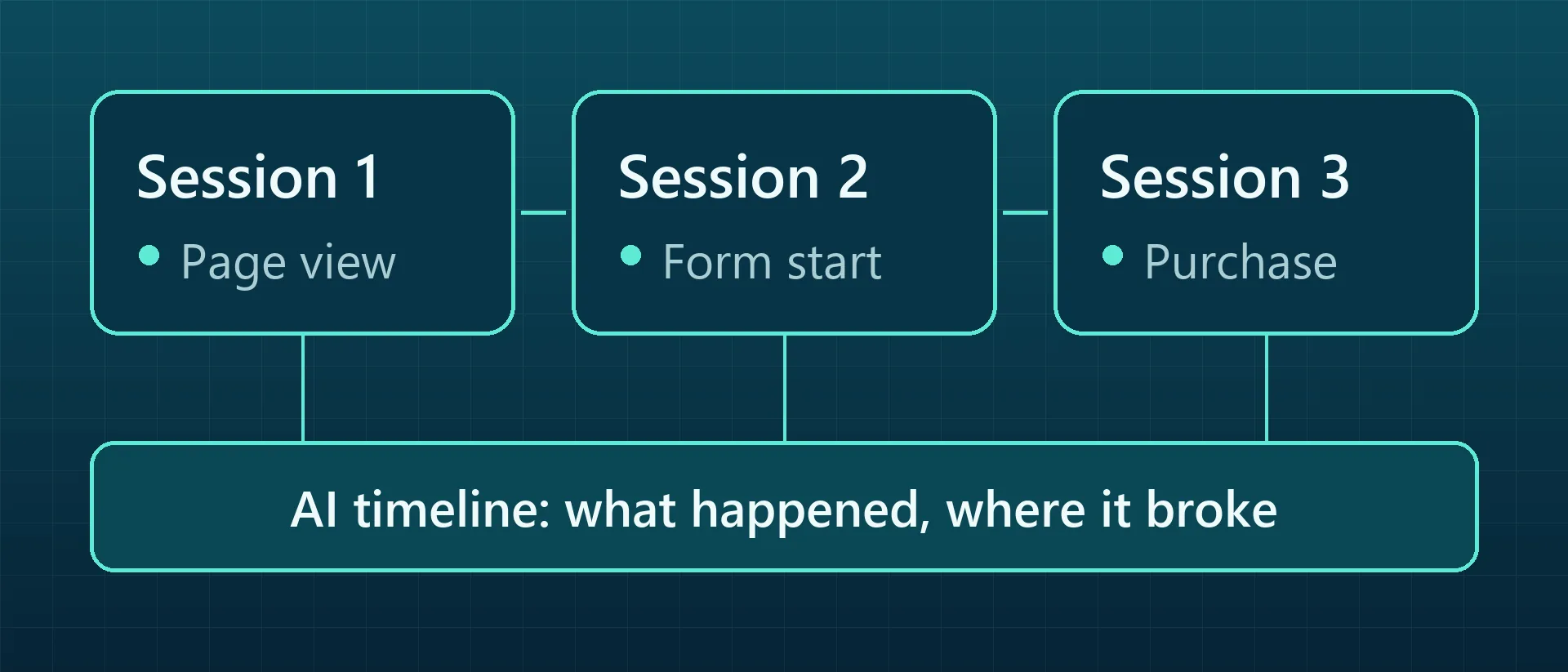
They share data once someone links them: Google Ads and GA4, Search Console and GA4, Tag Manager for the tags, Looker Studio for the reports. We use them together by sending the same definition of a customer to GA4 and Google Ads, and by building reports from GA4, Google Ads and BigQuery.
How the tools fit together
Google's tools share data when you connect them, and nothing flows until someone does. This is how we use them together:
- Tag Manager: holds the tags that send events to GA4 and the ad platforms.
- GA4: records what visitors do. We mark as key events only what your business counts as a customer, and send the same definition to Google Ads, so both measure the same thing.
- Google Ads: once it is linked to GA4, ads can be judged on what visitors do on the site, not just clicks.
- Search Console: the link brings its search data into GA4. On its own it stops at the click, so we use GA4 conversion events to see whether an organic visit became an enquiry.
- Looker Studio: reads GA4, Google Ads, BigQuery and Google Sheets into one report you can open yourself.
Where it goes wrong
A common fault is the same conversion counted twice, for example when a browser tag and a server tag both send it. We give both the same event ID so it is counted once. Another is a BigQuery export that has stopped without an error, so we check the date of the newest table before we trust a report. That is part of our technical tracking service.
The tools in this answer
 Google AdsSearch for leads, Shopping and Performance Max for online shops. Conversion goals match what the business actually counts, and real leads and sales go back to Google.PPC
 GA4Counts sessions and events. We check it against the raw data before we report from it.Reporting
 GSCShows which searches bring people to a site and which pages Google has indexed. We check it after every launch, migration and batch of new pages.Reporting
Where this came up in our work
- Client work
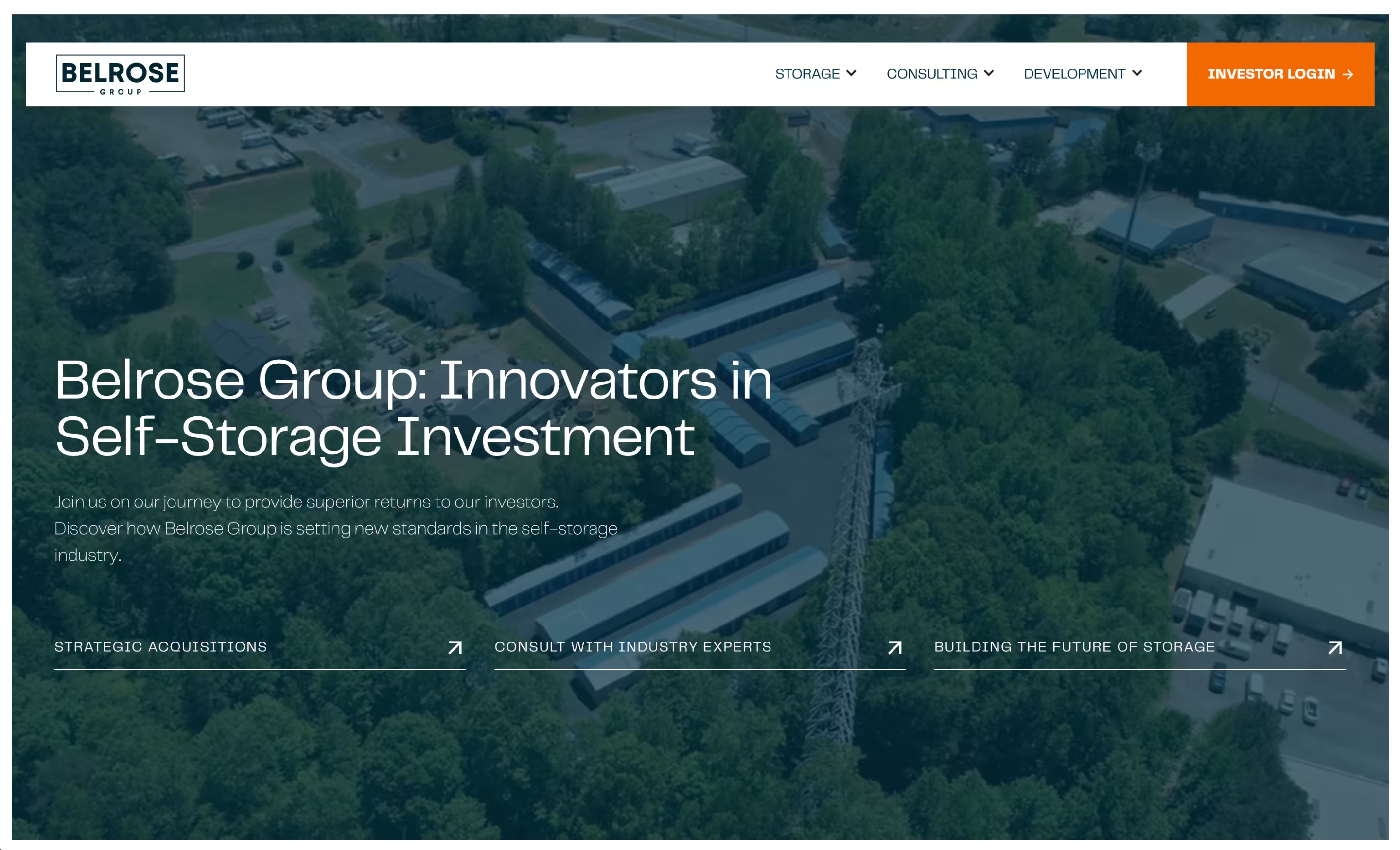
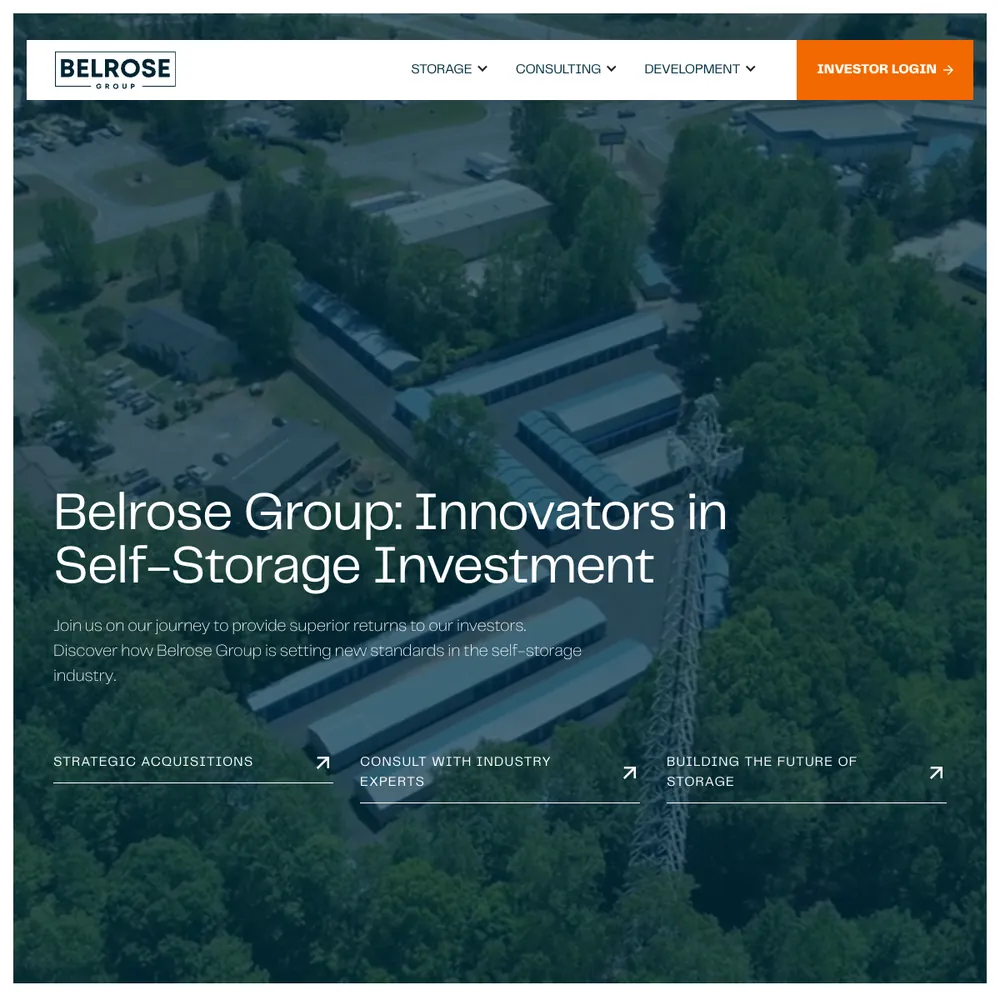
Belrose Group
A self-storage investment, development and consulting firm got a new Webflow site with a page for each of its three divisions, a lead funnel it trusted, and its investor portal moved to a new platform.
Read the story - Client work
Hear Me London
A London audiology clinic got local pages, an online hearing test that logs to a sheet and emails the clinic, and server-side tracking behind every booking: 378 online bookings in 15 months, over half from organic search.
Read the story


Also worth asking
Other answers about the same tools.
What is technical and tracking infrastructure?
It's the set-up that counts what happens on your site and sends it where it needs to go: tracking tags, analytics, ad-platform conversions, your CRM connection and cookie consent, plus the hosting and security around your website.
How do you set up website analytics and tracking?
We agree with you what counts as a conversion, then set up Google Tag Manager and GA4, plus server-side tracking through Stape for sites that spend on ads. Before we hand over, we check the data is actually arriving.
What is paid marketing and how does it work?
Paid marketing means paying to put your business in front of people, usually through ads on Google, Meta or LinkedIn. You set a budget and an audience, and you pay per click or per thousand views. The hard part is knowing which ads bring customers.
What platforms do you use for paid marketing campaigns?
Google Ads and Meta (Facebook and Instagram), plus LinkedIn for B2B work. We use Microsoft Ads where a campaign needs it. Which ones we use depends on whether people search for what you sell.
How much should I budget for paid marketing?
Start from what a customer is worth to you and what a lead costs in your market. The budget then needs to be big enough to get meaningful conversions in a month, and small enough that you can afford to find out it isn't working.
Want a quick starting figure from your revenue and a growth goal? Try the budget planner.
Still have questions?Talk to us
Bring your numbers.
We'll tell you if the spend makes sense.
- A 15-minute callYour goals, your challenges, and whether we're the right fit.
- A 1-hour discovery callWe dig into your numbers. Worth a hundred emails.
- A concrete planAds, a custom build or both, as a one-off project or ongoing.