









How do I track conversions and measure ROI in Google Ads?
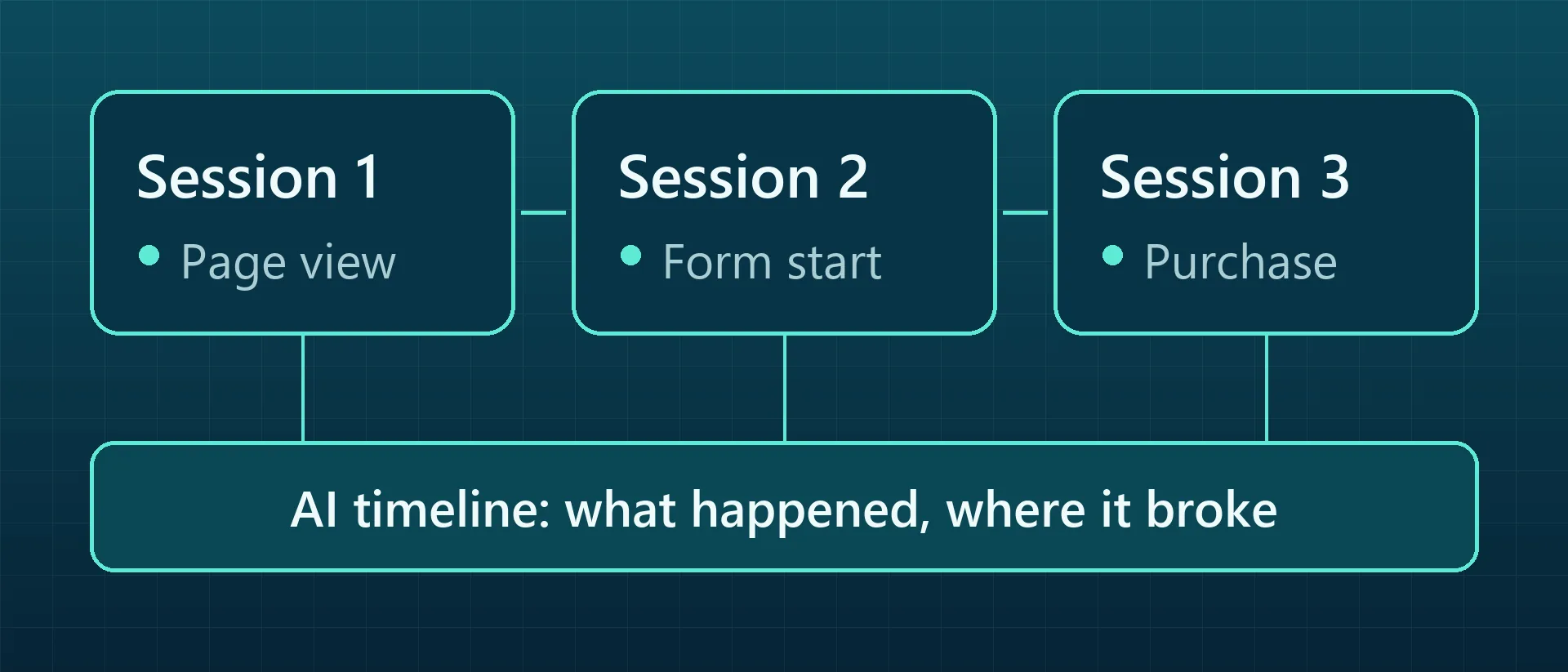
We set up tags that count form fills as conversions, save the ad's click ID with each lead, and send what happened to those leads in your CRM back to Google Ads, so bidding can learn from real customers. Only real leads and sales are set as primary conversions. Once the tracking is in place, you can check the spend itself with the spend check .
The set-up
- Conversion actions that mirror the definitions in GA4, with only real leads and sales set as primary.
- Tags in Google Tag Manager, and for sites that spend on ads, a server container on Stape that sends conversions to Google Ads from the server.
- The click ID saved with each lead, so it can be matched back to the ad later.
- Calls reconciled against Google Ads through tracking numbers on a Twilio line, like the one on our own phone system.
Closing the loop
A form fill isn't a customer. Where the CRM is HubSpot, the click ID travels from the ad into HubSpot, and lifecycle stages such as MQL and customer upload to Google Ads as offline conversions. The click ID can also travel on to Salesforce. Match rates can be low and uploads need watching, so we set them up and check them.
Measuring ROI
ROI needs revenue, not just conversions. We compare ad spend with closed deals or orders in your own systems. A sale can only be matched to an ad if it's recorded with something we can join on, such as a click ID, a visitor ID or the email from the original enquiry. A walk-in with no record can't be traced, and we'll say so rather than guess.
The set-up is part of our tracking service.
Also worth asking
Other answers about the same tools.
What is paid marketing and how does it work?
Paid marketing means paying to put your business in front of people, usually through ads on Google, Meta or LinkedIn. You set a budget and an audience, and you pay per click or per thousand views. The hard part is knowing which ads bring customers.
What platforms do you use for paid marketing campaigns?
Google Ads and Meta (Facebook and Instagram), plus LinkedIn for B2B work. We use Microsoft Ads where a campaign needs it. Which ones we use depends on whether people search for what you sell.
How much should I budget for paid marketing?
Start from what a customer is worth to you and what a lead costs in your market. The budget then needs to be big enough to get meaningful conversions in a month, and small enough that you can afford to find out it isn't working.
Want a quick starting figure from your revenue and a growth goal? Try the budget planner.
What is ad platform integration and why does it matter?
Ad platform integration means joining your website, tracking and CRM to the ad platforms, so they receive the leads and sales that came from their ads. Without it, bidding learns from clicks and form fills instead of customers.
What’s the difference between paid search and paid social campaigns?
Paid search (Google Ads) shows your ad to people typing a query. Paid social (Meta, LinkedIn) shows it to people browsing. Search catches demand that's already there, and social creates interest in something new.
Still have questions?Talk to us
Bring your numbers.
We'll tell you if the spend makes sense.
- A 15-minute callYour goals, your challenges, and whether we're the right fit.
- A 1-hour discovery callWe dig into your numbers. Worth a hundred emails.
- A concrete planAds, a custom build or both, as a one-off project or ongoing.