











How do you optimise content for search engines?
We make each page answer the search as fully as it can, and link to the expert where we aren't one. Then we get the basics right (keywords, titles, headings, internal links) and check in Search Console what the page actually appears for. Underneath it all, we write for the reader.
Answer the question properly
We make the page give as much useful information about the search as it can. If we're not the expert on something, we link to the expert.
The on-page basics
- Keyword research, so we write about what people actually search for. We start from your Search Console data, then check volumes in Google's Keyword Planner.
- Clear titles, descriptions and headings.
- Internal links, so related pages support each other.
- Structured data where it fits the page.
Then check what happened
After a page is live, Search Console shows which searches it appears for. If it's showing but not getting clicks, we rewrite the title and description. If it isn't indexed, we find out why. If two of your pages are competing for the same search, we pick one and merge the rest. We'd rather refresh a page that already has impressions and few clicks than add another. Read more on our content and SEO service.
The tools in this answer
 GSCShows which searches bring people to a site and which pages Google has indexed. We check it after every launch, migration and batch of new pages.Reporting
 Google GeminiGemini is the AI inside some of the tools we host on Google Cloud. We're also testing it for ad images, and it takes notes on some calls.Content


Also worth asking
Other answers about the same tools.
What is content and SEO, and why does it matter?
Content is everything your audience reads, watches or listens to. SEO makes it easy to find when someone searches, on Google and other search engines. Together they bring in people who are already looking for what you do.
How do you develop a content strategy for my business?
We start with who you need to reach and which searches matter, using your Search Console data first. Then we line up the content you already have against the customer's journey, mark the gaps and put the pieces that matter most into a content calendar. After that it's writing and checking what earns clicks and enquiries.
How often should I publish new content for SEO?
There's no number that suits everyone. Publish as often as you can keep up with at a standard you're happy with, because one good page a month beats four thin ones. Updating an older page counts too.
What makes Pacing.Agency’s approach to content and SEO different?
We start with who you're trying to reach, using what Search Console and GA4 already show about your visitors, plus what you know about your market. We write for the reader first, then check Search Console and GA4 to see what's working.
How do you use Google Gemini in your work?
We use Gemini in a few places, mostly inside tools we host, and a person checks the result each time:
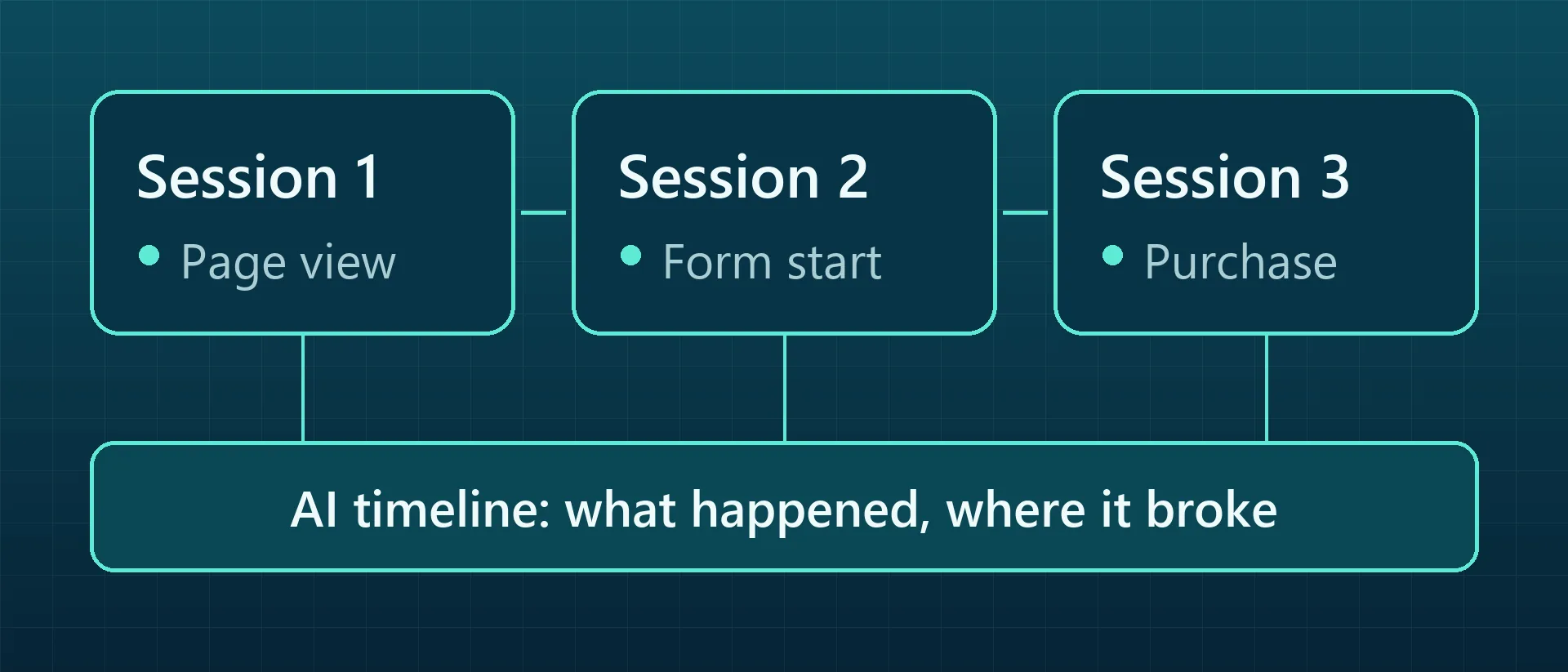
- Summaries of one visitor's trail in our client journey analysers.
- An optional step in the TechStack Analyser that checks detections and writes company summaries (switched off in the deployed version).
- Notes on some calls in Google Meet.
On one client's website, a person on their team has also made hero images with it by hand in the Gemini app. We're piloting its image model in our own ad studio.
Still have questions?Talk to us
Bring your numbers.
We'll tell you if the spend makes sense.
- A 15-minute callYour goals, your challenges, and whether we're the right fit.
- A 1-hour discovery callWe dig into your numbers. Worth a hundred emails.
- A concrete planAds, a custom build or both, as a one-off project or ongoing.