









How do I optimise Google Ads campaigns for better performance?
Start with what the account is counting, then look at the searches it's paying for. Two common causes of wasted spend are bidding towards the wrong conversion or buying searches nobody would buy from. We check those two before we touch ad copy or bids.
The order to work in
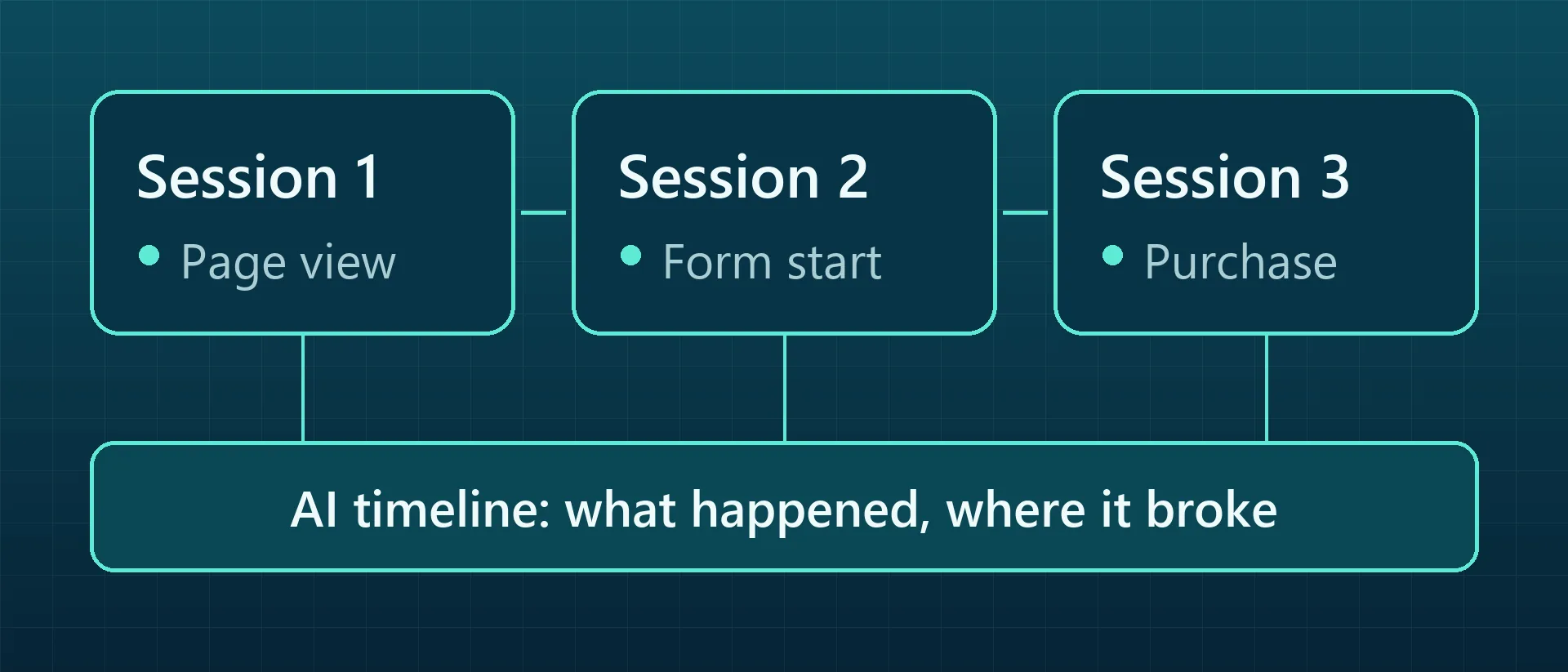
- Conversion goals. Bidding follows whatever the account counts as a conversion, so only real leads and sales should be primary. Softer goals, such as form starts, get demoted to secondary.
- Search terms. Broad-match keywords can pull in searches nobody would buy from, and campaigns with no negative lists keep paying for them. For lead generation Search we use phrase and exact match, shared negative lists and search-term mining.
- Duplicates. Duplicate keywords and campaigns that bid on the same searches compete against each other, so remove the overlap.
- Disapproved ads and stray test campaigns. An ad whose links point to more than one domain can be disapproved, which can stop a whole campaign delivering. A test with a fixed budget and an end date stops delivering when it ends.
- Budgets and bids. Once the data is clean, move spend towards what's converting.
- Ads and landing pages. Test copy and pages last, because they only help once the conversion goals and search terms are right.
How we find the problems
We audit each account read-only through the Google Ads API. Findings are ranked as act now, this week or backlog, with the numbers and the exact action. Nothing changes in the account until it's agreed.
Check against the CRM
Google's own conversion numbers aren't the scoreboard. We compare them with leads and sales in your CRM, and where it's set up we send CRM outcomes back to Google Ads as offline conversions. Match rates can be low and uploads need watching, so we check them rather than assume they work.
This is part of our paid marketing service.

Also worth asking
Other answers about the same tools.
What is paid marketing and how does it work?
Paid marketing means paying to put your business in front of people, usually through ads on Google, Meta or LinkedIn. You set a budget and an audience, and you pay per click or per thousand views. The hard part is knowing which ads bring customers.
What platforms do you use for paid marketing campaigns?
Google Ads and Meta (Facebook and Instagram), plus LinkedIn for B2B work. We use Microsoft Ads where a campaign needs it. Which ones we use depends on whether people search for what you sell.
How much should I budget for paid marketing?
Start from what a customer is worth to you and what a lead costs in your market. The budget then needs to be big enough to get meaningful conversions in a month, and small enough that you can afford to find out it isn't working.
Want a quick starting figure from your revenue and a growth goal? Try the budget planner.
What is ad platform integration and why does it matter?
Ad platform integration means joining your website, tracking and CRM to the ad platforms, so they receive the leads and sales that came from their ads. Without it, bidding learns from clicks and form fills instead of customers.
What’s the difference between paid search and paid social campaigns?
Paid search (Google Ads) shows your ad to people typing a query. Paid social (Meta, LinkedIn) shows it to people browsing. Search catches demand that's already there, and social creates interest in something new.
Still have questions?Talk to us
Bring your numbers.
We'll tell you if the spend makes sense.
- A 15-minute callYour goals, your challenges, and whether we're the right fit.
- A 1-hour discovery callWe dig into your numbers. Worth a hundred emails.
- A concrete planAds, a custom build or both, as a one-off project or ongoing.