










What is server-side tracking, and why do we use Stape?
Server-side tracking means your site sends each event once, to a server container, and that server passes it on to GA4, Google Ads and Meta, instead of every platform running its own script in the visitor's browser. We use Stape to host that container so you don't have to run a server. It reduces lost conversions. It doesn't get them all back, and it doesn't get round consent.
What server-side tracking is
In a normal set-up your page loads a script from Google, another from Meta, another from LinkedIn, and each reports back from the visitor's browser. Ad blockers and Safari's cookie limits stop some of that, so the numbers in your ad platforms can come out lower than what happened.
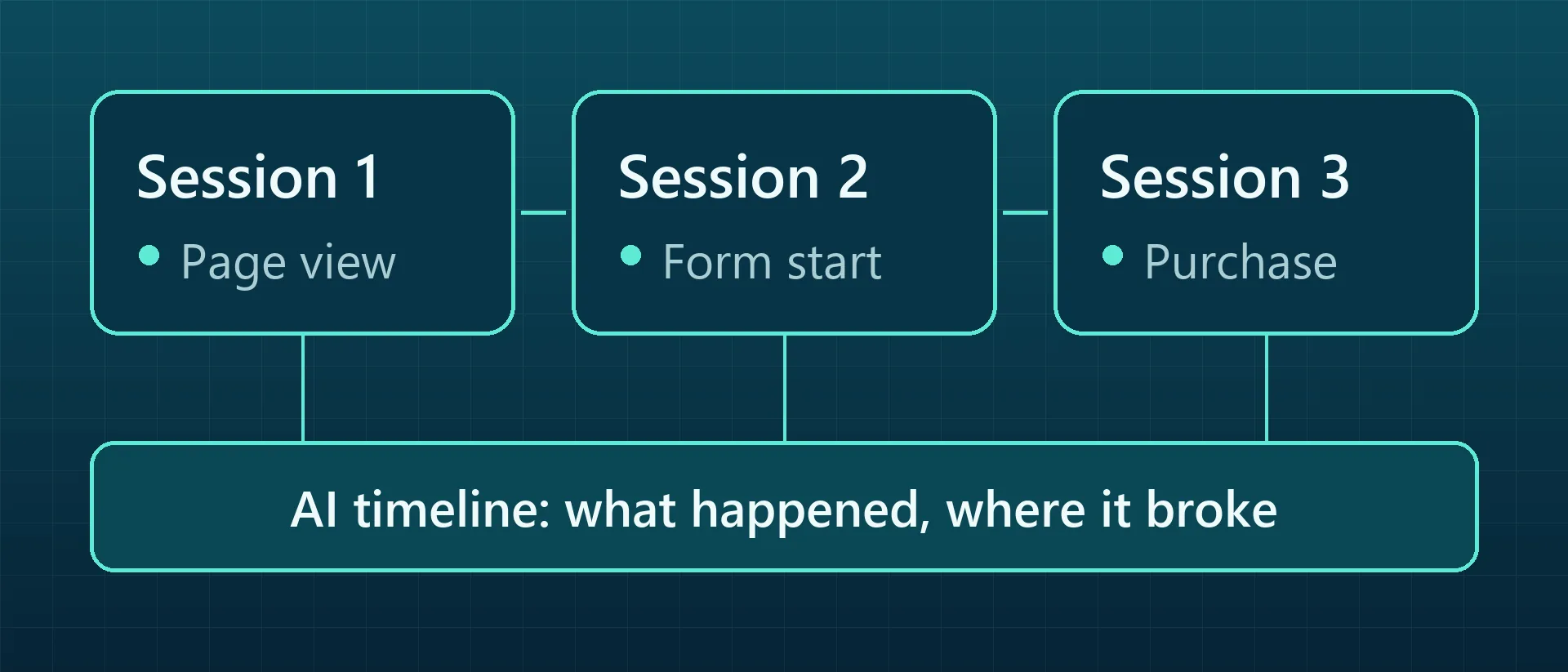
With server-side tracking the browser sends each event once. A server container, which is Google Tag Manager's server version, receives it and sends it on to GA4, Google Ads and Meta. Each conversion carries the same event ID from the browser and the server, so the platforms count it once.
Why we use Stape
The server container has to run somewhere. You can run it yourself, for example on Google Cloud, but then you look after the servers and the updates. Stape hosts it for us, on your own domain or a path of it, in a region you choose, with an EU region where that matters. It also provides the Custom Loader, which serves Google Tag Manager from your own domain. We use that on our own site, where GTM loads same-origin through a Cloudflare Worker at /sgtm. Load time was unchanged and the gain is resilience to ad blockers.
When we set it up
We build a browser container for each site and add a server container for sites that spend on ads, because that's where the conversions feed the ad platforms. We've set up server-side tracking on 5+ sites. If Google Ads or Meta set your bids from your conversions, sending them from the server means fewer go missing. For a site with no ad spend, a well-built browser-only GTM and GA4 set-up does the job, and you can add the server container the day you start spending.
What it doesn't do
- It doesn't promise a recovery rate. It's never a hundred percent.
- It doesn't bypass consent. Consent is built per project.
- It doesn't fix a badly set up event. If the browser event is wrong, the server passes the mistake on.
What we watch
Stape's free plan stops the container at 10,000 requests a month, and we've seen a container go dark when it hit that, so we keep an eye on the count. We also check for a known fault where the click ID gets set to the word "stape".
Our technical tracking service sets up both containers and tests them, alongside your Tag Manager set-up.

Where this came up in our work
- Client work
Belrose Group
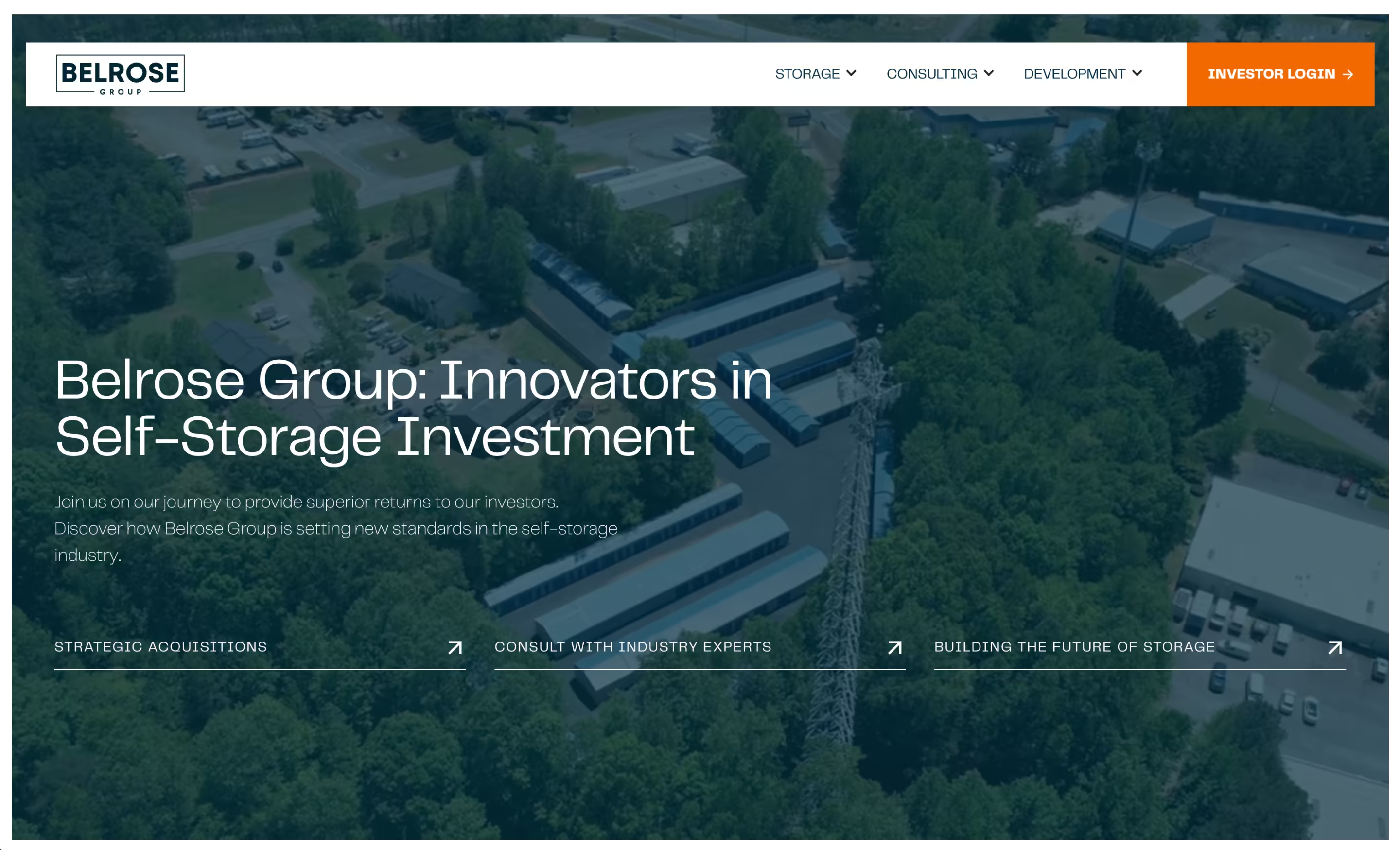
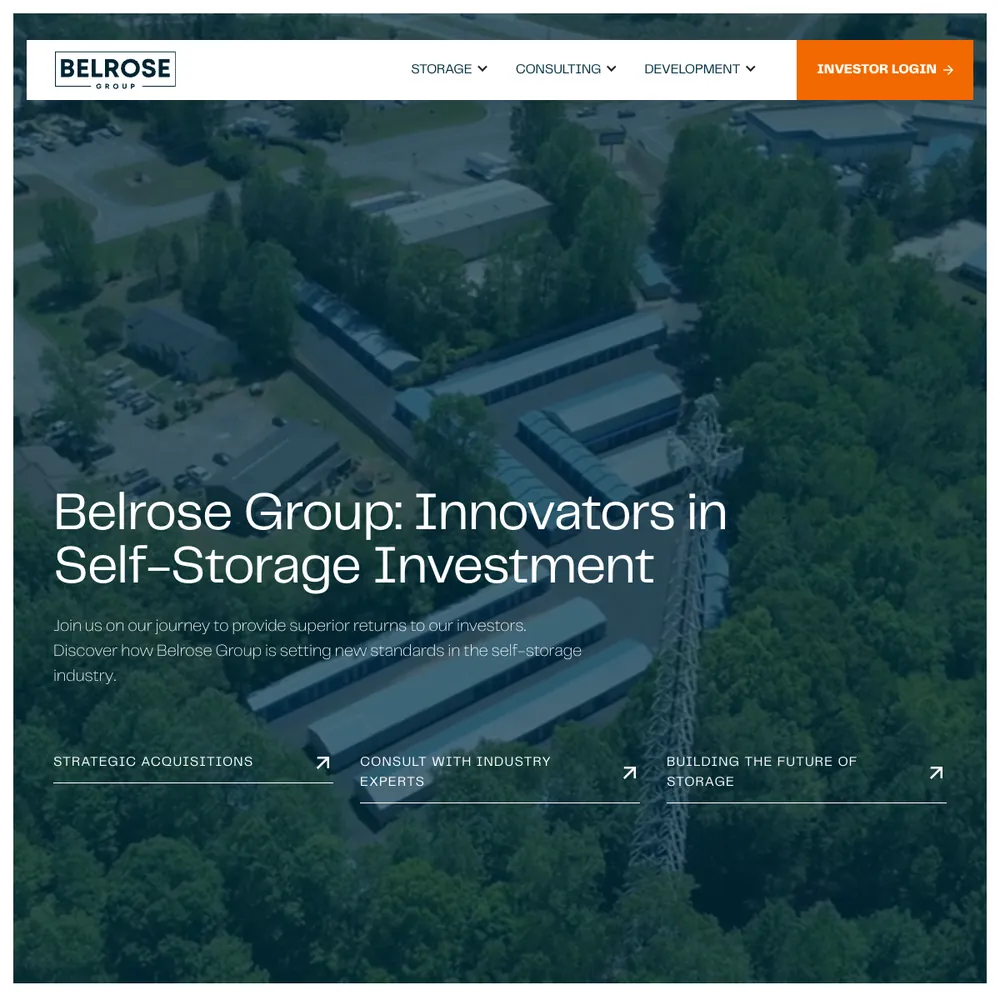
A self-storage investment, development and consulting firm got a new Webflow site with a page for each of its three divisions, a lead funnel it trusted, and its investor portal moved to a new platform.
Read the story - Client work
Hear Me London
A London audiology clinic got local pages, an online hearing test that logs to a sheet and emails the clinic, and server-side tracking behind every booking: 378 online bookings in 15 months, over half from organic search.
Read the story


Also worth asking
Other answers about the same tools.
What is technical and tracking infrastructure?
It's the set-up that counts what happens on your site and sends it where it needs to go: tracking tags, analytics, ad-platform conversions, your CRM connection and cookie consent, plus the hosting and security around your website.
How do you set up website analytics and tracking?
We agree with you what counts as a conversion, then set up Google Tag Manager and GA4, plus server-side tracking through Stape for sites that spend on ads. Before we hand over, we check the data is actually arriving.
How do you handle compliance management for my website?
We work with your cookie consent tool, or suggest one we've worked with, and connect it to your tags so they follow the visitor's choice. How that's wired depends on the project, so we test what your tags actually do. We don't write legal text or give legal advice, so your privacy policy needs sign-off from someone qualified.
What is ad platform integration and why does it matter?
Ad platform integration means joining your website, tracking and CRM to the ad platforms, so they receive the leads and sales that came from their ads. Without it, bidding learns from clicks and form fills instead of customers.
Why is tracking important for my marketing?
Without it you're guessing which ads, pages and emails bring customers. Ad platforms also bid on what you tell them, so missing or wrong conversions mean they find the wrong people.
Still have questions?Talk to us
Bring your numbers.
We'll tell you if the spend makes sense.
- A 15-minute callYour goals, your challenges, and whether we're the right fit.
- A 1-hour discovery callWe dig into your numbers. Worth a hundred emails.
- A concrete planAds, a custom build or both, as a one-off project or ongoing.