








What are the most effective Meta ad formats for different business goals?
No format has only one job. A funnel needs lots of ads running at once: different formats and angles for people meeting you for the first time, for people who've visited, and for people close to buying, each matched to the page it leads to. We make them in every size, test them against each other and keep the ones that bring in leads or sales.
How we use Meta ad formats
A format is a container, not a plan. The same offer can run as a short video, a single image, a carousel, a chat-style screenshot, a before-and-after or a checklist, and the one that works is rarely the one you'd have picked. So we don't choose one format per goal. We build a set of ads for every stage of the funnel and let the results decide.
Ads for every stage
- For people who've never heard of you: several angles on the problem you solve, each in more than one format, so Meta can find who responds.
- For people who've visited or watched: ads that answer what stopped them, show proof and give the next step.
- For people close to buying or booking: a direct offer, or an instant form so they can enquire without leaving Facebook or Instagram.
Each ad matched to its page
What someone clicked should be what they land on. We build the landing pages alongside the ads, with the copy and visuals carried through, so the step from the feed to the page doesn't lose them. It's one of the checks we run before a campaign spends.
Made in every size, checked before launch
Our ad studio renders each ad from a brief in your brand, in every size from square to 9:16 for Stories and Reels, and checks spelling, brand colours, fonts, text size, safe zones and overflow before anyone reviews it. A person on our team reviews every ad before it goes live, and you can sign off each one yourself if you want to.
Testing and refreshing
We test angles against each other, not colours, and judge them on the leads and sales in your own records. When an ad tires and results drop, a new one takes its place. That's why we build lots of creative rather than polishing one ad.
Instant forms need a fast reply
Instant form leads go cold quickly. Ours go straight into our CRM, with a text telling us to call within 10 minutes in office hours.
How we build the whole route is on our funnel management service, and how we use Meta on the Meta tool page.
Where this came up in our work
- Client work
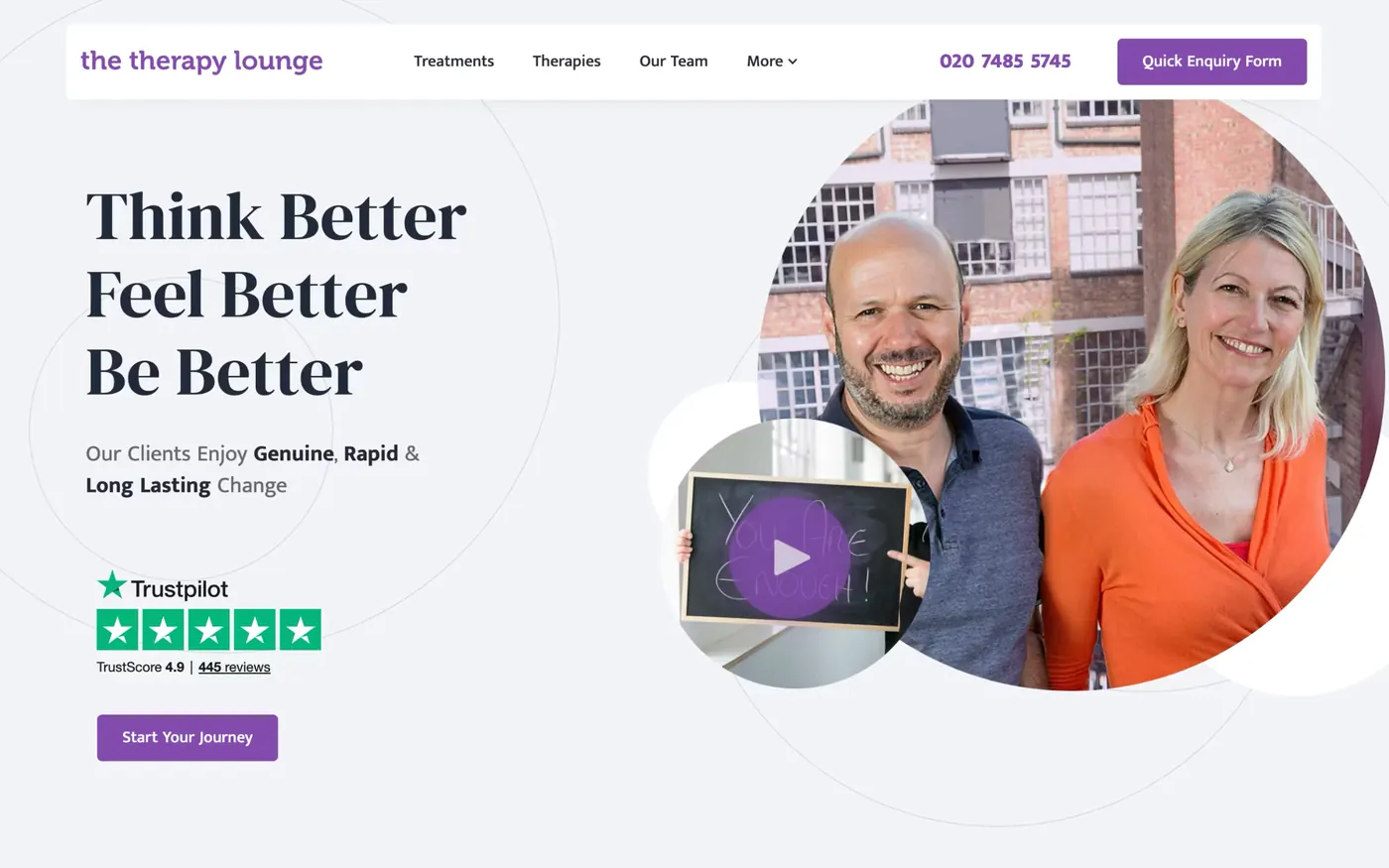
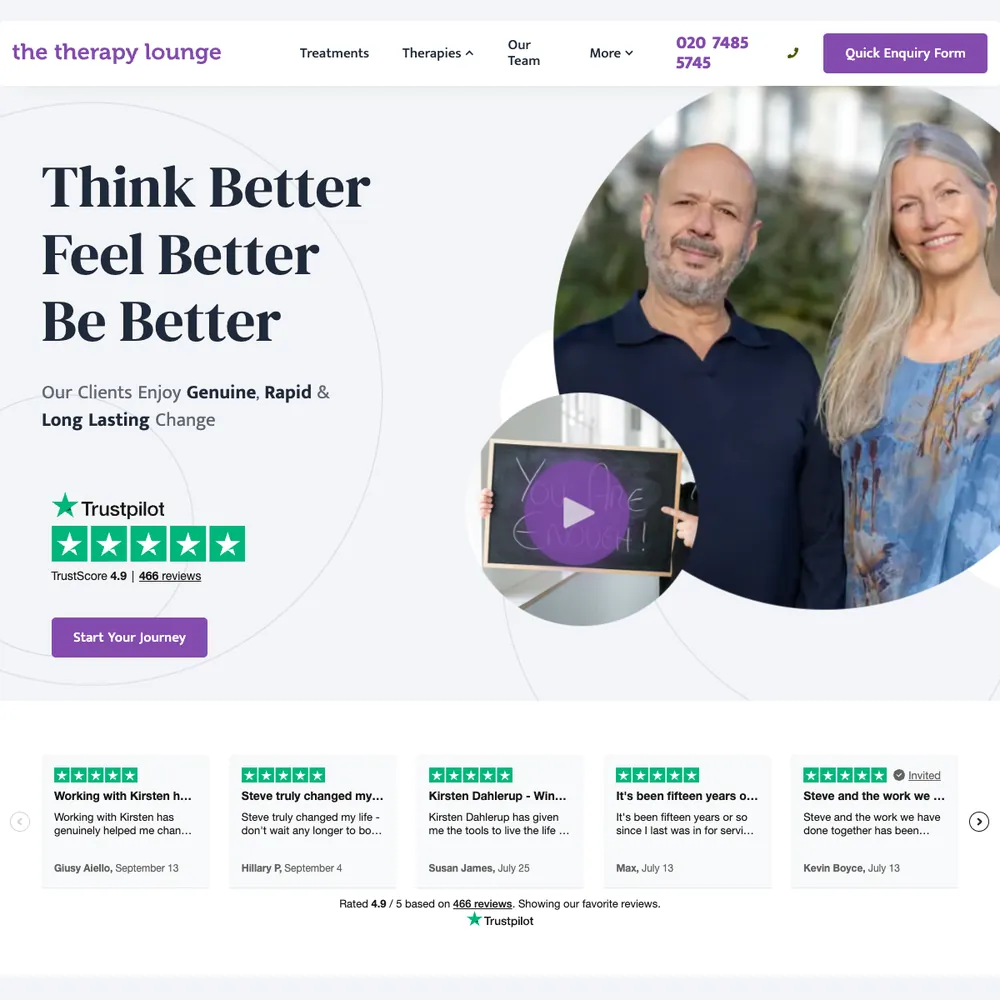
The Therapy Lounge
70% more enquiries, 6.6x return on ad spend in October 2025, and 316 enquiries tracked from April 2025 to October 2026.
Read the story - Client work
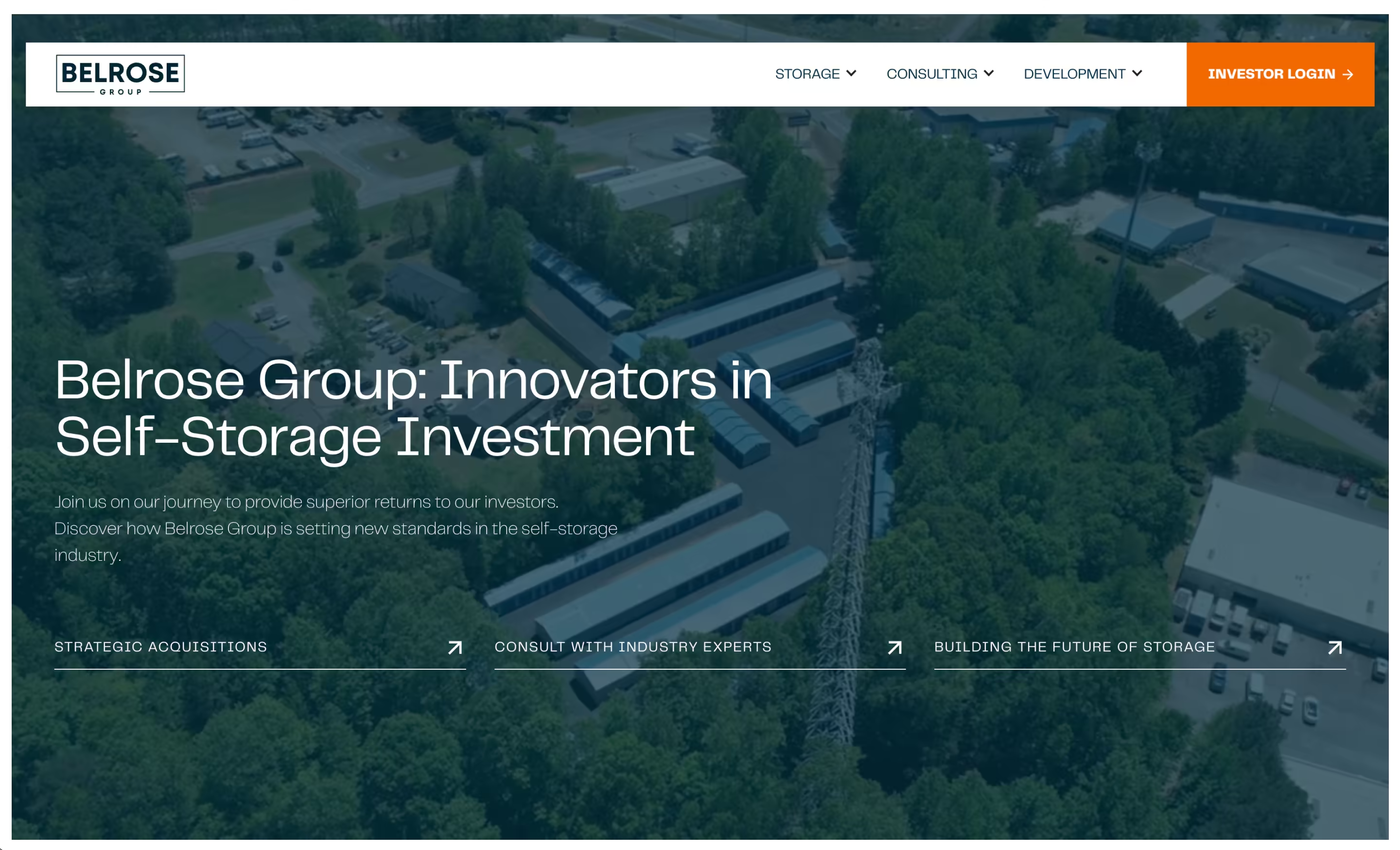
Belrose Group
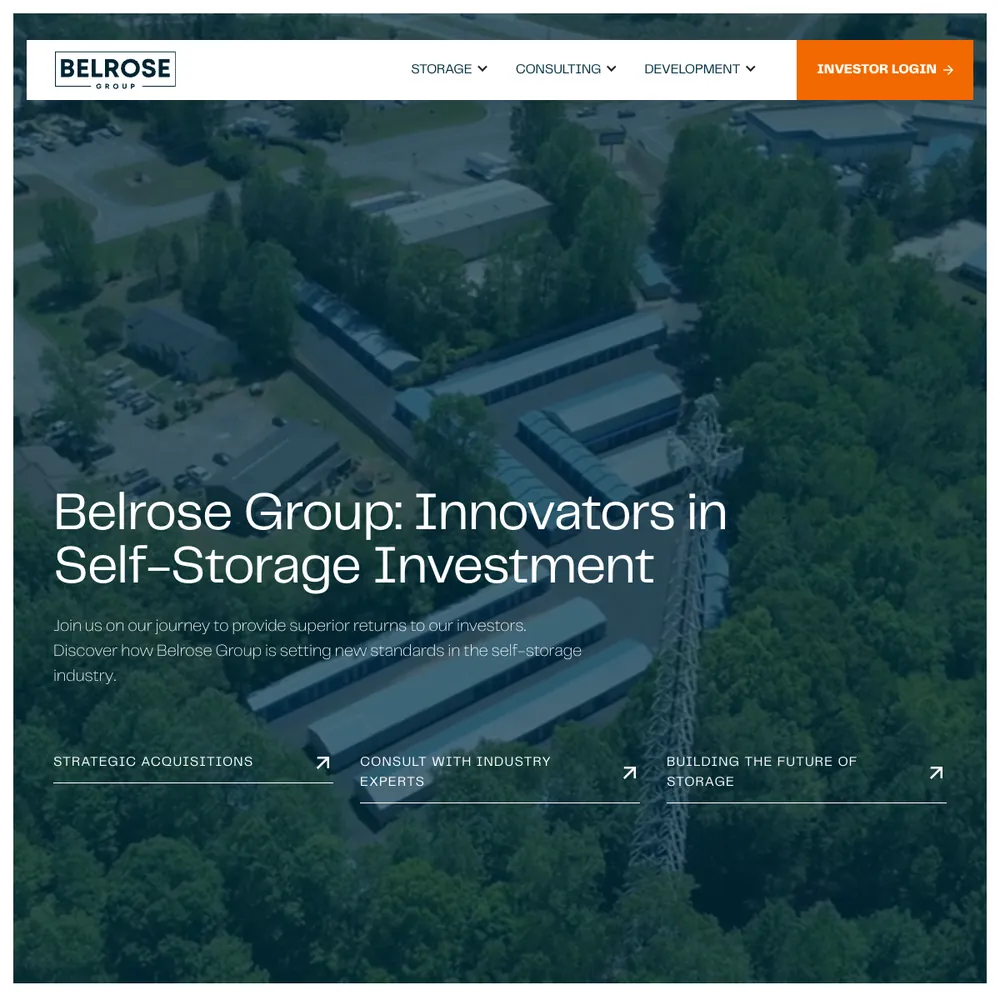
A self-storage investment, development and consulting firm got a new Webflow site with a page for each of its three divisions, a lead funnel it trusted, and its investor portal moved to a new platform.
Read the story
Also worth asking
Other answers about the same tools.
What is paid marketing and how does it work?
Paid marketing means paying to put your business in front of people, usually through ads on Google, Meta or LinkedIn. You set a budget and an audience, and you pay per click or per thousand views. The hard part is knowing which ads bring customers.
What platforms do you use for paid marketing campaigns?
Google Ads and Meta (Facebook and Instagram), plus LinkedIn for B2B work. We use Microsoft Ads where a campaign needs it. Which ones we use depends on whether people search for what you sell.
How much should I budget for paid marketing?
Start from what a customer is worth to you and what a lead costs in your market. The budget then needs to be big enough to get meaningful conversions in a month, and small enough that you can afford to find out it isn't working.
Want a quick starting figure from your revenue and a growth goal? Try the budget planner.
What’s the difference between paid search and paid social campaigns?
Paid search (Google Ads) shows your ad to people typing a query. Paid social (Meta, LinkedIn) shows it to people browsing. Search catches demand that's already there, and social creates interest in something new.
How do Meta advertising platforms differ from Google Ads?
Google Ads shows your ad to people searching for something. Meta shows it to people by audience while they scroll Facebook and Instagram. If people already search for what you sell, start with Google. Meta reaches the people who aren't looking yet.
Still have questions?Talk to us
Bring your numbers.
We'll tell you if the spend makes sense.
- A 15-minute callYour goals, your challenges, and whether we're the right fit.
- A 1-hour discovery callWe dig into your numbers. Worth a hundred emails.
- A concrete planAds, a custom build or both, as a one-off project or ongoing.