









How do you create effective Meta advertising campaigns for e-commerce?
Tracking first. Purchases go to Meta from the server as well as the browser, sharing one event ID so each order counts once. Then we judge campaigns on the orders in your shop against your break-even return, not on what Meta reports.
Meta ads for an online shop
Meta can only find buyers if it's told about sales, and the browser pixel on its own misses a lot of them. So we sort that before spending.
Tracking
The pixel and Meta's Conversions API both report each purchase, sharing one event ID and the order ID so Meta counts it once. The server side runs through Stape on your own domain, and we prove it with a real test order before a campaign goes live.
Knowing your number
Before setting a budget, work out the return you need to break even: 1 divided by your margin. At a 40% margin that's 2.5, so every £1 of ads needs to bring in £2.50 of sales before it pays for itself. Pacing Numbers does the sum and checks your spend against it.
Judging it
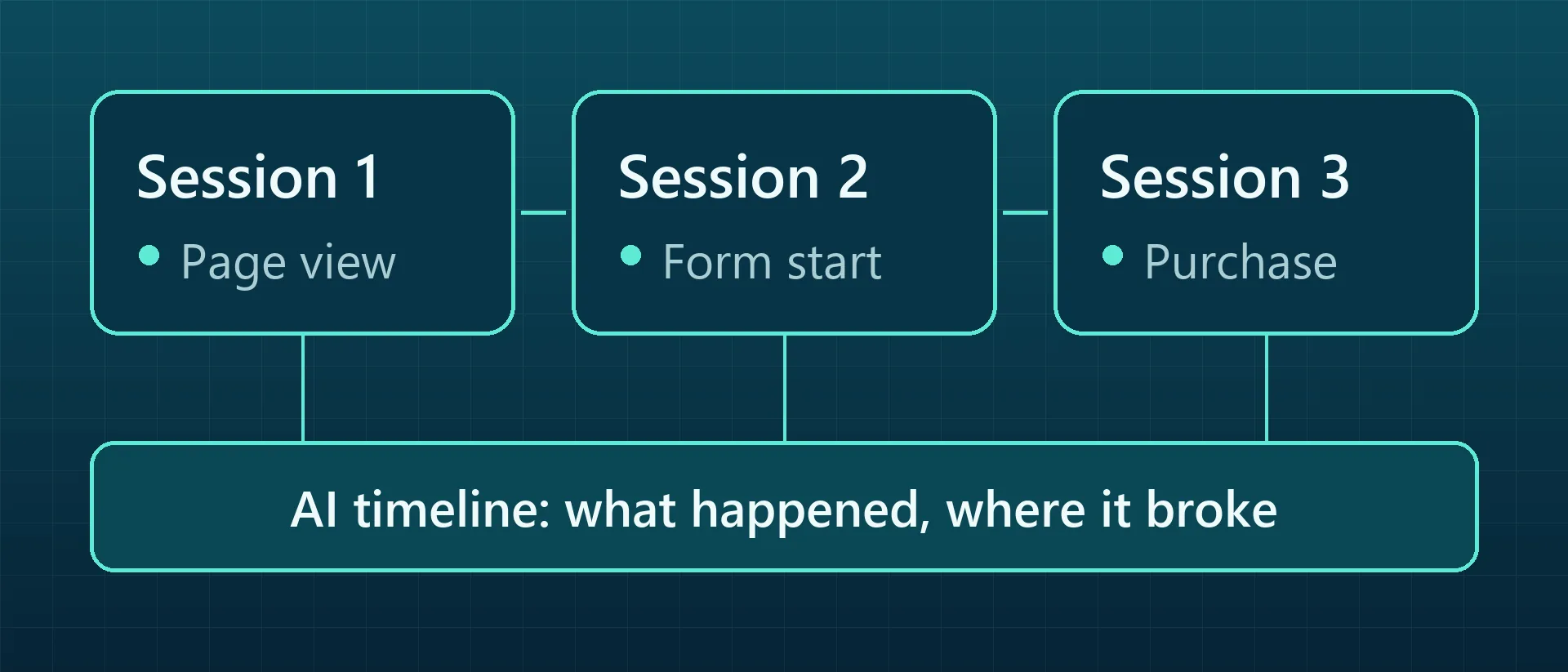
We compare Meta's figures with the orders in your shop, not with Meta's own return figure. For a closer look, Pacing Journey has a Shopify version that shows the visits behind each order, read from your GA4 export.
Retargeting
We've run ads for people who visited and left. They only work once the pixel and server events are right, because those events are what build the audience.
See the Meta tool page and our paid marketing service.

Also worth asking
Other answers about the same tools.
What is paid marketing and how does it work?
Paid marketing means paying to put your business in front of people, usually through ads on Google, Meta or LinkedIn. You set a budget and an audience, and you pay per click or per thousand views. The hard part is knowing which ads bring customers.
What platforms do you use for paid marketing campaigns?
Google Ads and Meta (Facebook and Instagram), plus LinkedIn for B2B work. We use Microsoft Ads where a campaign needs it. Which ones we use depends on whether people search for what you sell.
How much should I budget for paid marketing?
Start from what a customer is worth to you and what a lead costs in your market. The budget then needs to be big enough to get meaningful conversions in a month, and small enough that you can afford to find out it isn't working.
Want a quick starting figure from your revenue and a growth goal? Try the budget planner.
What’s the difference between paid search and paid social campaigns?
Paid search (Google Ads) shows your ad to people typing a query. Paid social (Meta, LinkedIn) shows it to people browsing. Search catches demand that's already there, and social creates interest in something new.
How do Meta advertising platforms differ from Google Ads?
Google Ads shows your ad to people searching for something. Meta shows it to people by audience while they scroll Facebook and Instagram. If people already search for what you sell, start with Google. Meta reaches the people who aren't looking yet.
Still have questions?Talk to us
Bring your numbers.
We'll tell you if the spend makes sense.
- A 15-minute callYour goals, your challenges, and whether we're the right fit.
- A 1-hour discovery callWe dig into your numbers. Worth a hundred emails.
- A concrete planAds, a custom build or both, as a one-off project or ongoing.