








Moved budget towards the addiction and trauma campaigns
Service
Funnel Management
Ads, landing pages, tracking and follow-up, built as one route from the first click to the sale. Each month we find the weakest step and fix it.






What it looks like
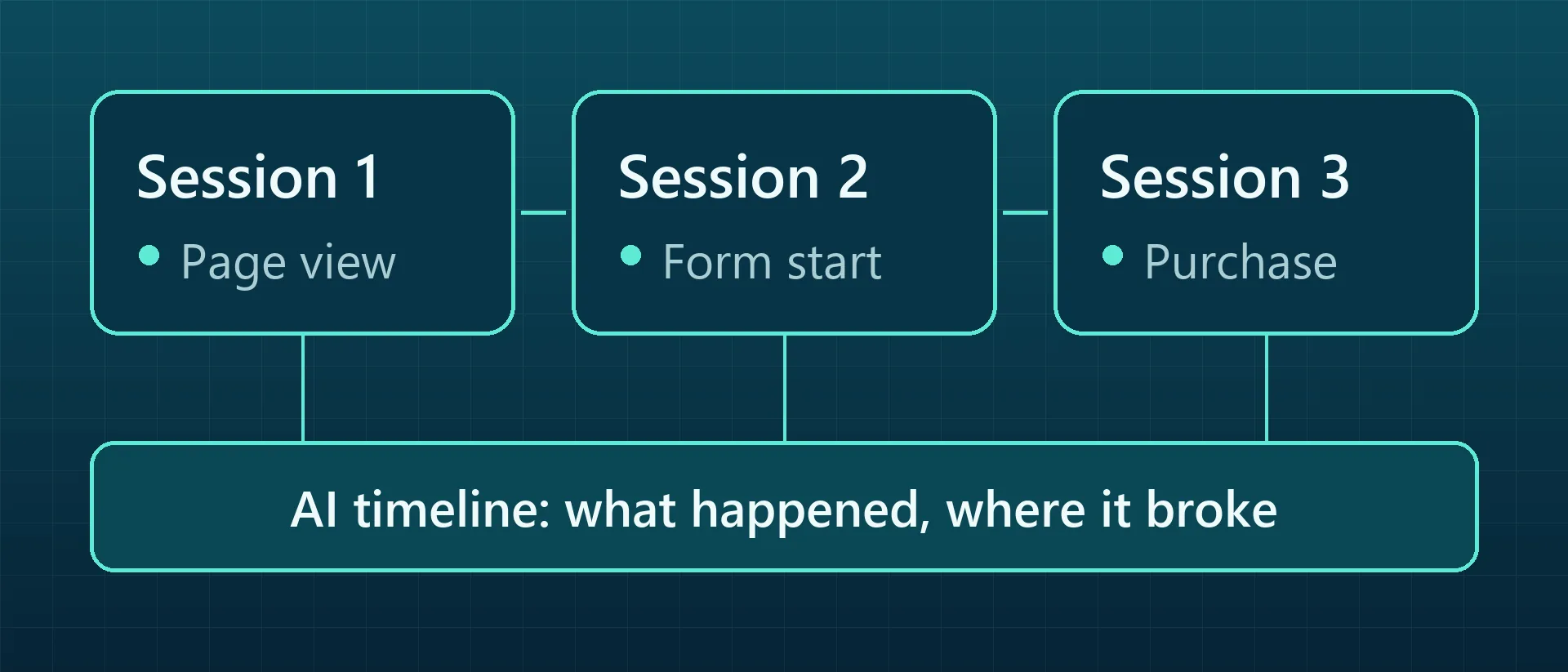
Watch one lead go from the ad to a booking
Every step loses some people. We find the step losing the most and fix that one first.
An example. The name and every count are made up: out of 100 people who click.
Each month
What a monthly check ends in
We look at all five steps, find the one losing the most people and change one thing. Then we decide what to push, fix or stop.
- 1Look at every stepThe ad, the page, the form, the follow-up and the booking.
- 2Find the one losing the most peopleNot the one that is easiest to change.
- 3Change one thingSo we know what moved the numbers.
- 4Decide: push, fix or stopAnd write down why.
- The ad
- The page
- The form
- The follow-up
- The booking
Decisions made on:
Summer 2025Read the story
Capped the generic and vaping campaigns at 20% of spend
Paused the vaping campaign after it produced no conversions
June 2025 to August 2026Read the story
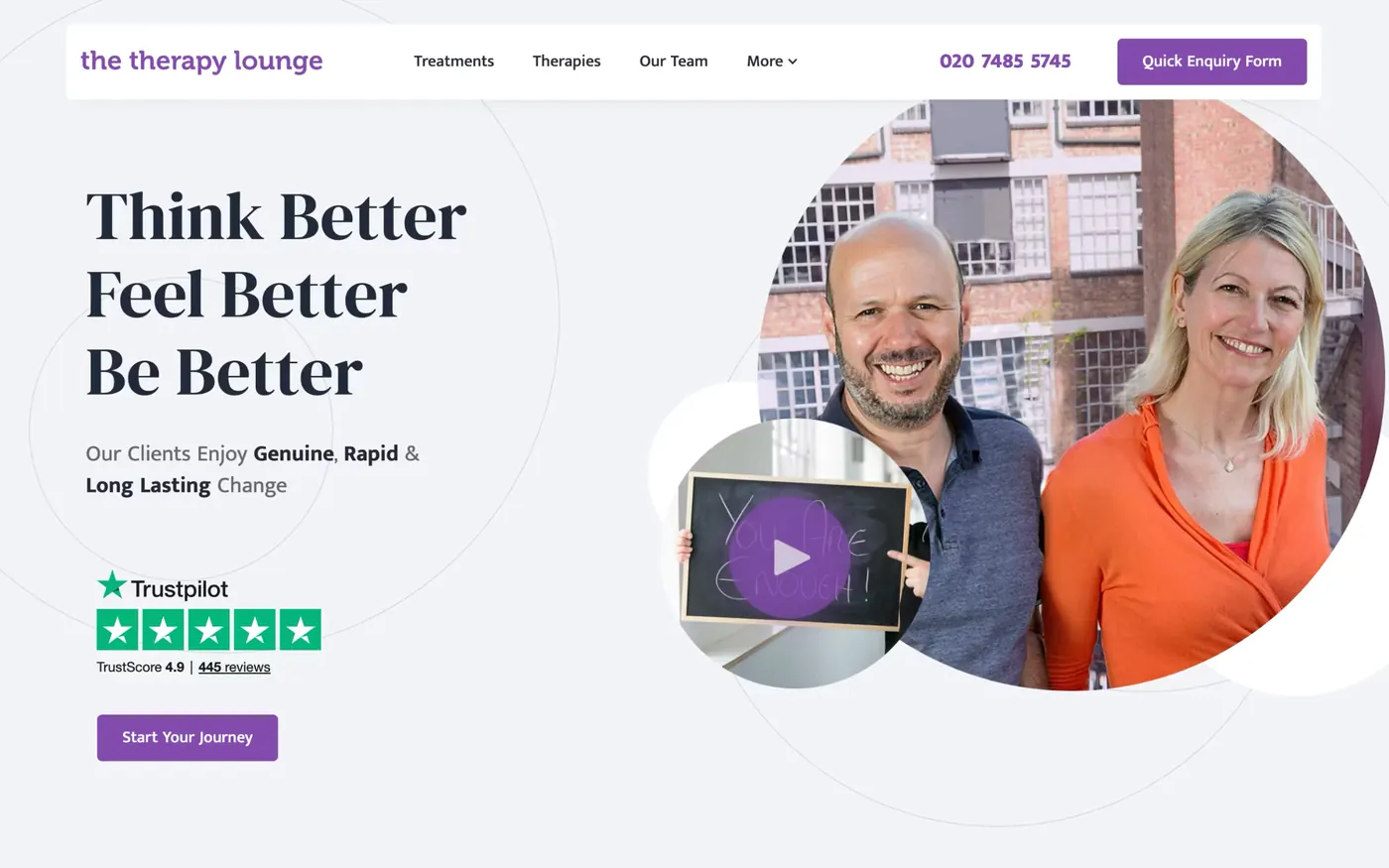
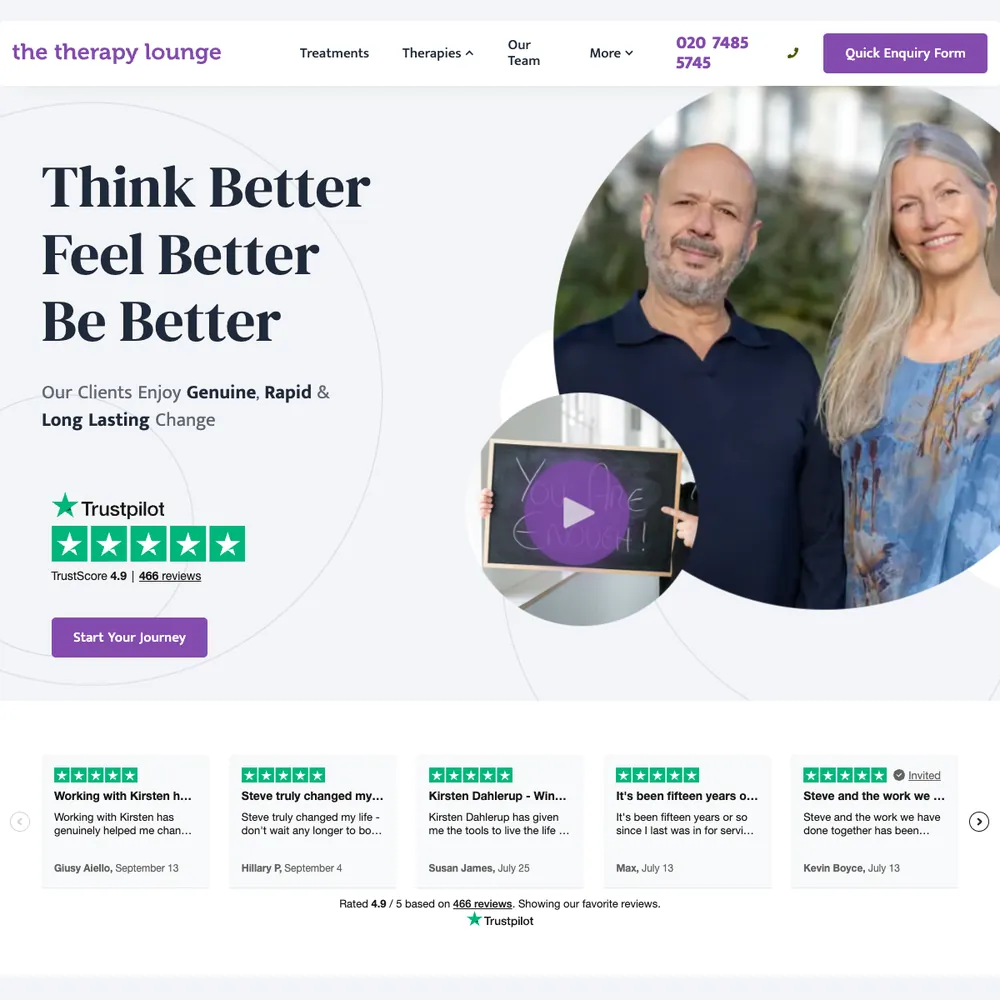
Local and service pages: 195 of the 378 online bookings came from organic search
A postcode check on the enquiry forms
Paying for Google Ads clicks from postcodes the clinic couldn't serve
Real decisions from two accounts, not a monthly schedule.
Proof
Where we've done this
Three sizes
Start at the size that fits
We chart your customer's journey, build the ads, the landing page for each ad, the form and the follow-up, then each month change the step losing the most people. You can move up a size as you grow.
Essential: a solid website, the tracking that matters and one way to capture a lead. Good for testing a new offer before you spend more.
Advanced: adds ads on more than one platform, automated follow-up for new leads and deeper analytics. For when you are scaling lead generation.
Enterprise: adds audience segmentation, the ad source and click ID kept with the lead, one place to hold all your customer data (we use BigQuery) and deep CRM integration. For when you need to tie every lead back to revenue.
Not sure which size fits? Here's how we decide.
Questions
Questions about funnel management
What a funnel is, what each size includes and how we report.
Still have questions?
Talk to usWhat is a marketing funnel and why does it matter?
A marketing funnel is the route someone takes from first seeing you to becoming a customer: an ad, a landing page, an enquiry, a follow-up, a sale. It matters because you can only fix where people drop out if you can see each step.
What are the key stages of a successful marketing funnel?
A funnel runs from someone first hearing about you, to them getting in touch, to them becoming a customer. We map each step, find where people can drop out, and build the ads, landing pages, tracking and follow-up as one route, so spend goes where it pays back.
What’s the difference between an essential, advanced, and enterprise funnel?
An essential funnel covers the basics: a foundational website, essential tracking and one way to capture leads. Advanced adds multi-platform ads, automated nurturing and deeper analytics. Enterprise adds segmentation, a customer data warehouse and deep CRM integration.
How do you report on funnel performance and ROI?
Reports follow the funnel: spend, traffic, leads and conversions, and revenue wherever we can tie it to your CRM or sales data. They live in a Looker Studio dashboard, and each one ends with a decision: push, fix or stop.
Want to check your own ROAS against break-even? Try the break-even ROAS calculator.
Next step
Bring your numbers.
We'll tell you if the spend makes sense.
- A 15-minute callYour goals, your challenges, and whether we're the right fit.
- A 1-hour discovery callWe dig into your numbers. Worth a hundred emails.
- A concrete planAds, a custom build or both, as a one-off project or ongoing.