










What are the best practices for getting the most from Cursor's AI features?
Give it a clear brief that says what "done" means, keep your rules in the project so each agent follows them, and put each job on its own branch. Then read the result before you merge it. For bigger jobs, ask for a short design note first and check it before any code is written.
What works for us
These come from how we run Cursor day to day, not from a manual.
Brief it properly
Say what the job is, which files it may touch, what "done" means and which tests to run. A vague request gets a vague result.
For big jobs, plan first
On anything with several files or more than about 20 minutes of work, we ask for a short design note (approach, files, risks) and stop. We read it, then tell the same session to build.
Keep rules in the project
Project rules live in the repository, so every person and every agent follows the same house style and safety rules. Ours cover things like British English and never sending email or publishing without being asked.
One job, one branch
Each agent works on its own branch and opens a pull request. That keeps jobs separate and makes any change easy to undo.
Watch and steer
- Watch running agents instead of leaving them alone.
- If one drifts, tell it what to change rather than starting over. It keeps what it learned.
- If a job needs more than a couple of corrections, move it to a different tool.
Read before you merge
Read the whole diff, run the tests and check what the agent says it did against what it did. A person decides what goes live.
Match the tool to the job
Clear-cut jobs go to Cursor's agents. Design-heavy work and anything with open questions goes to Claude Code. The split is explained on the Cursor page.
We use this on website and technical infrastructure projects.

Where this came up in our work
- Client work
Aqualona
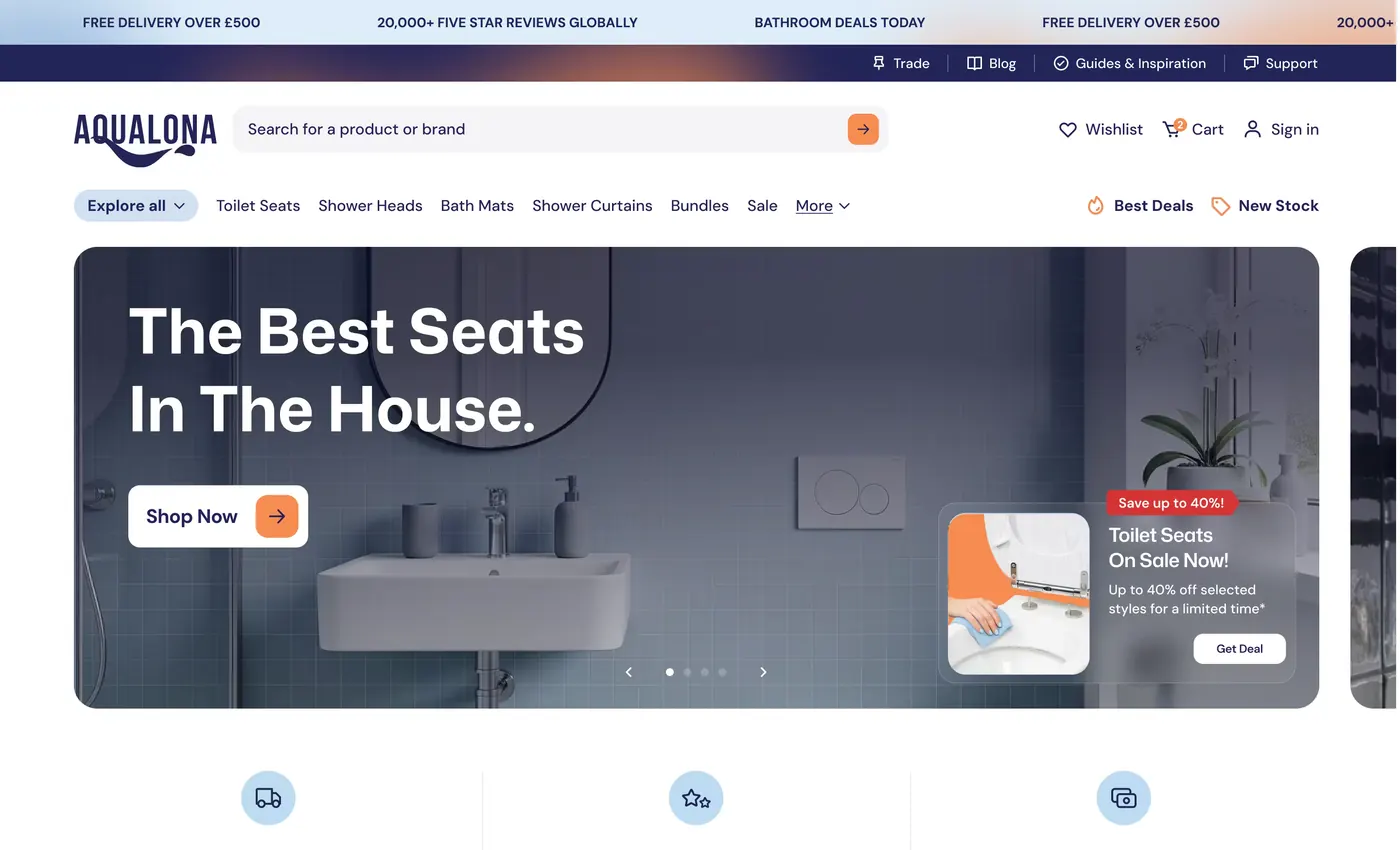
A headless Webflow and Shopify store that went from a handful of orders to 1000s tracked in its first months, each matched to the visit that started it
Read the story - Client work
FE fundinfo
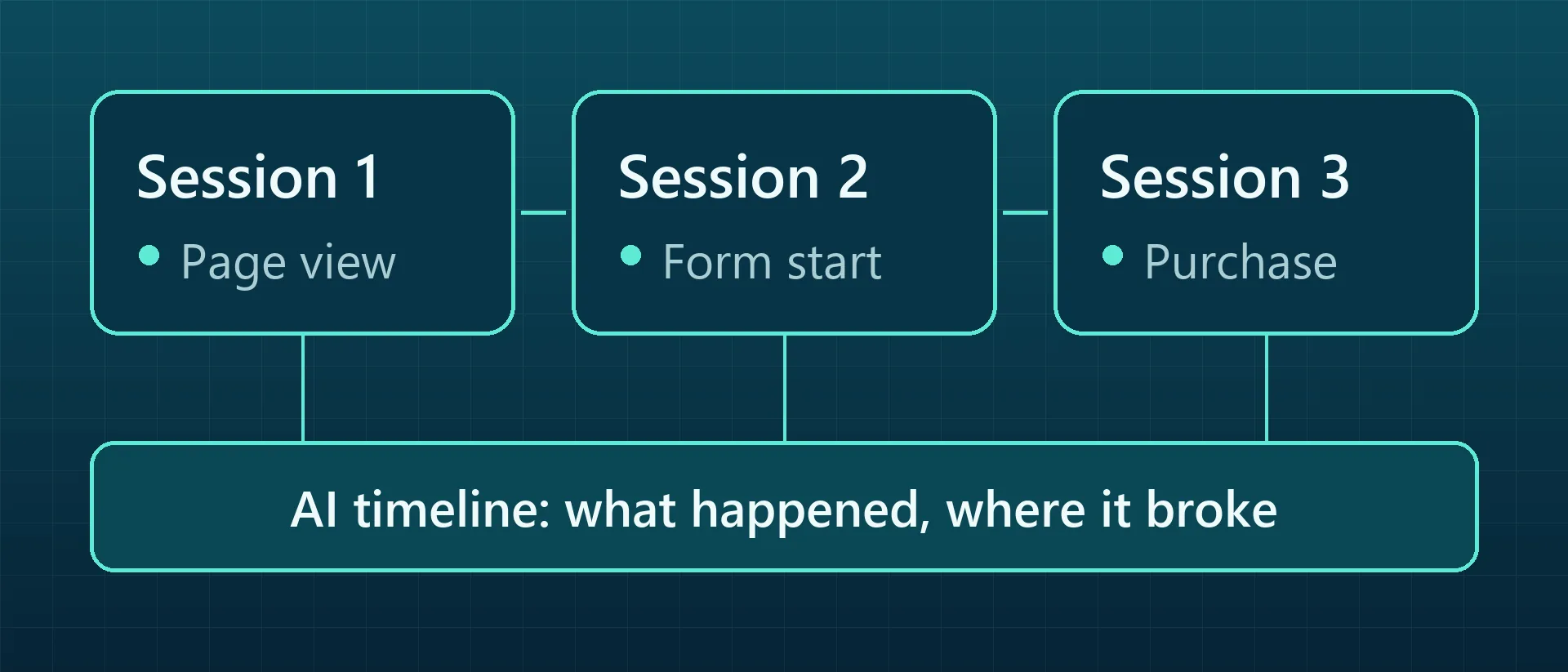
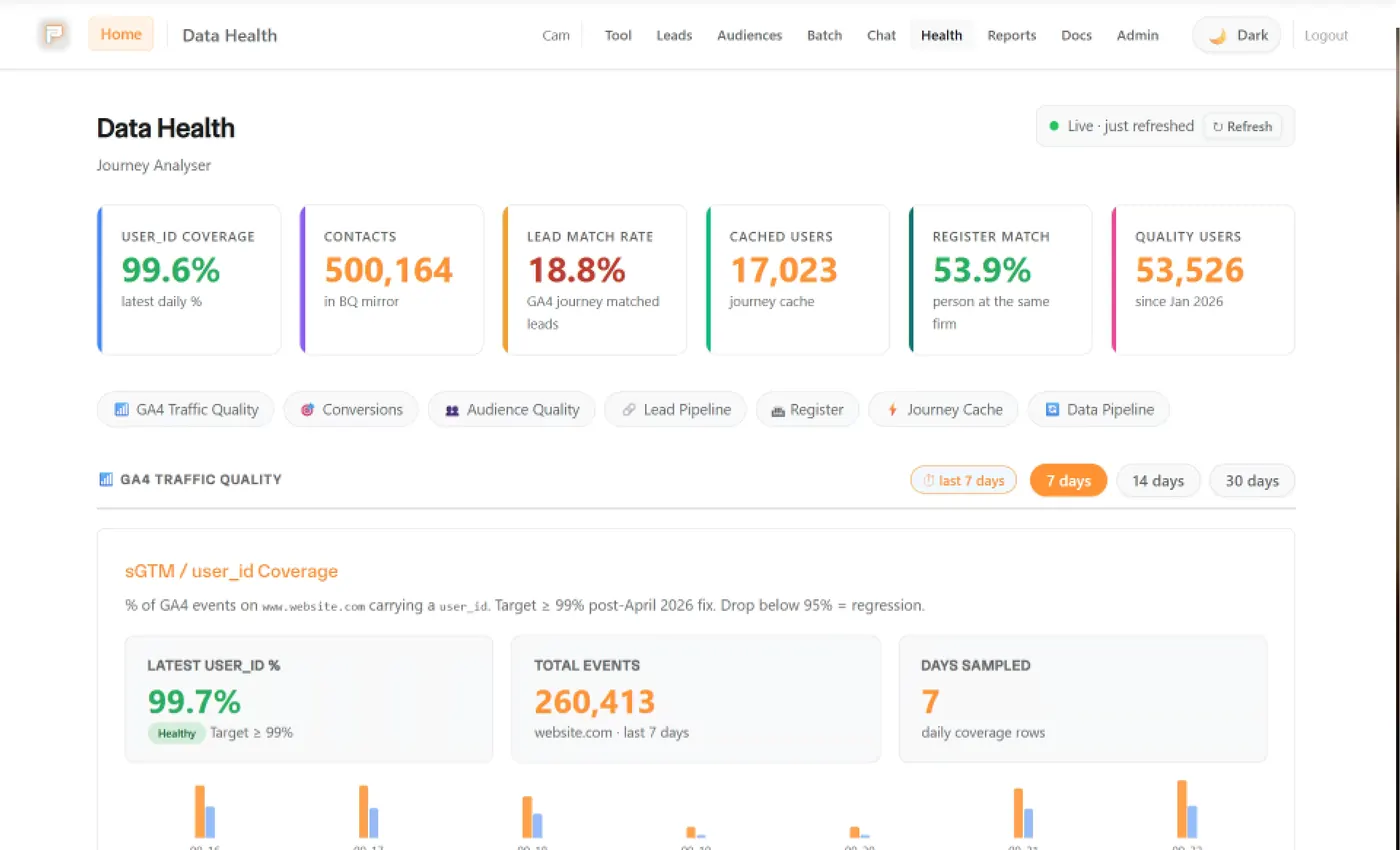
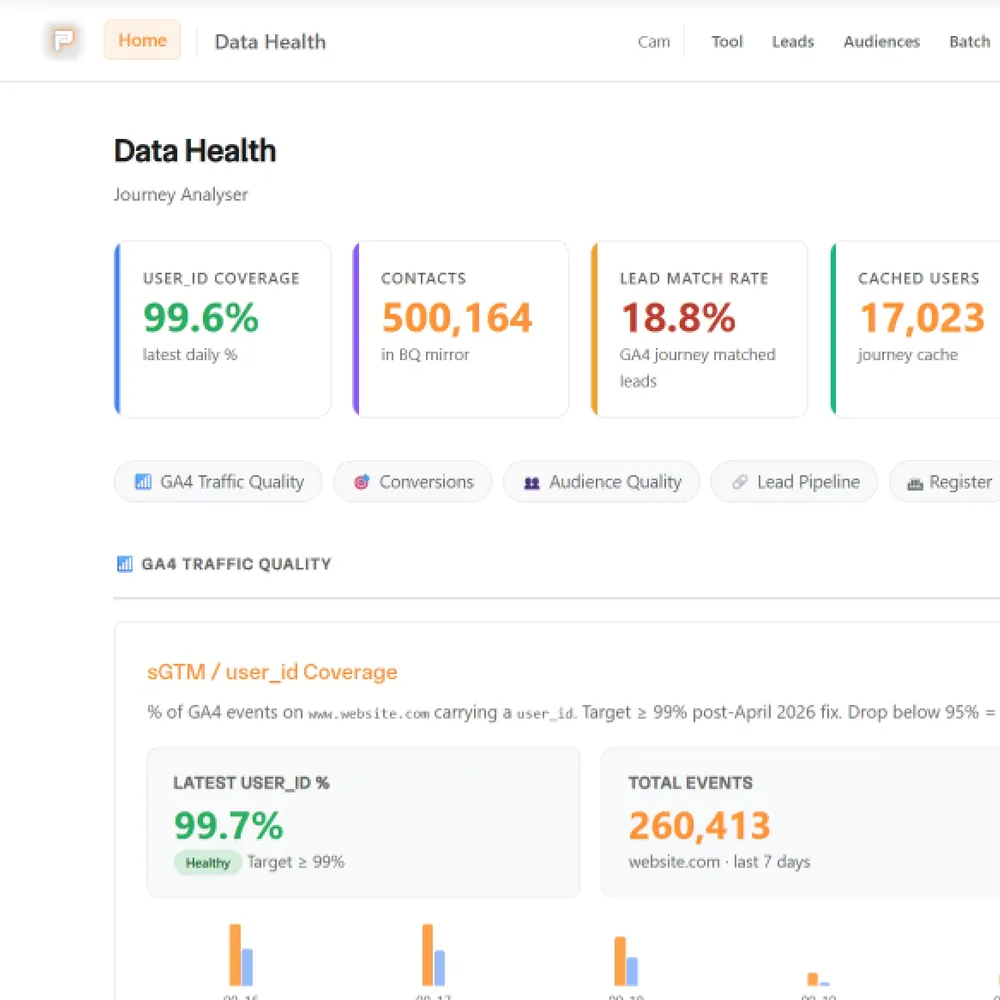
Paid media and measurement for Wealth Management, plus a custom journey analyser so the team can see real multi-touch journeys
Read the story - Client work
The Therapy Lounge
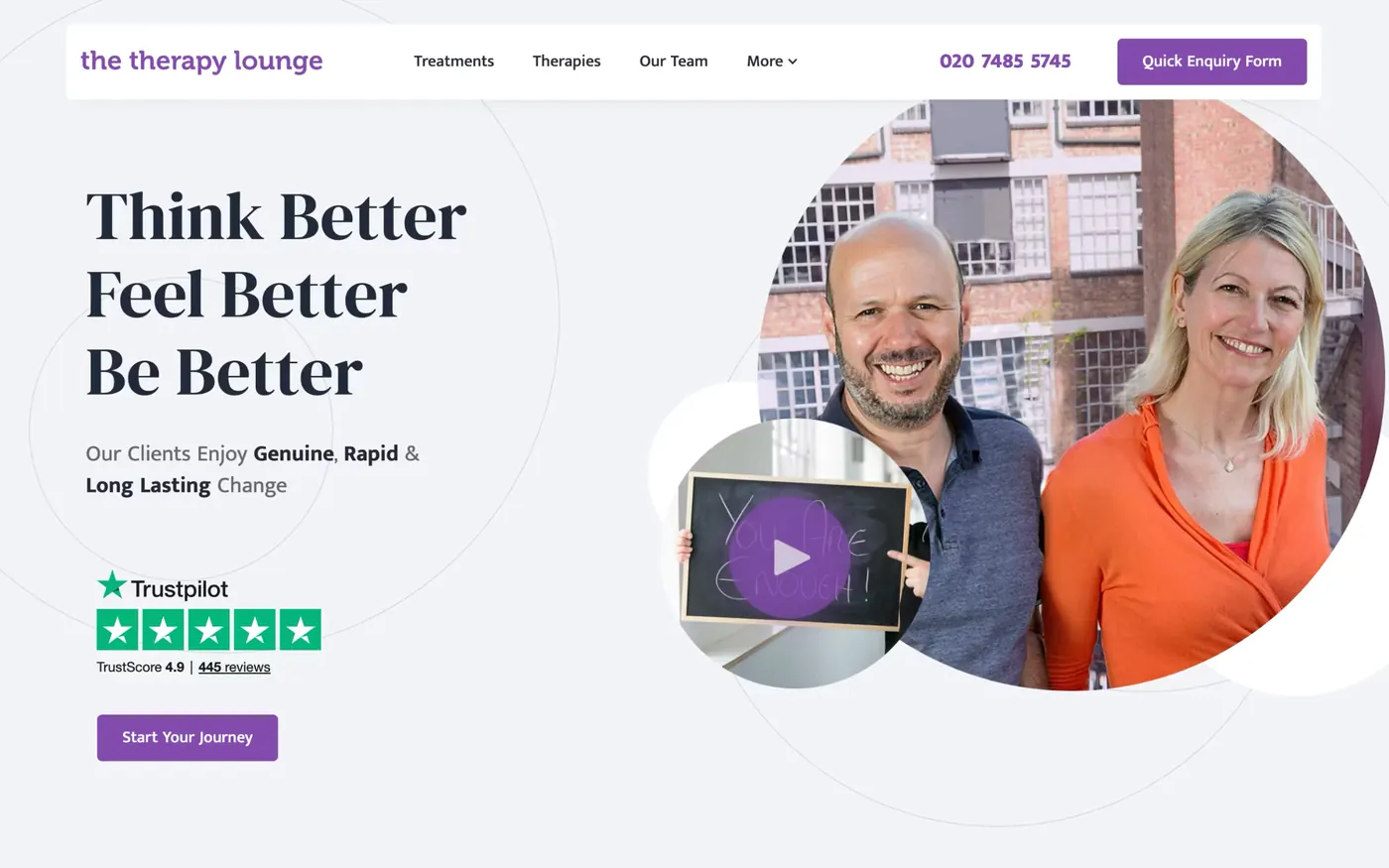
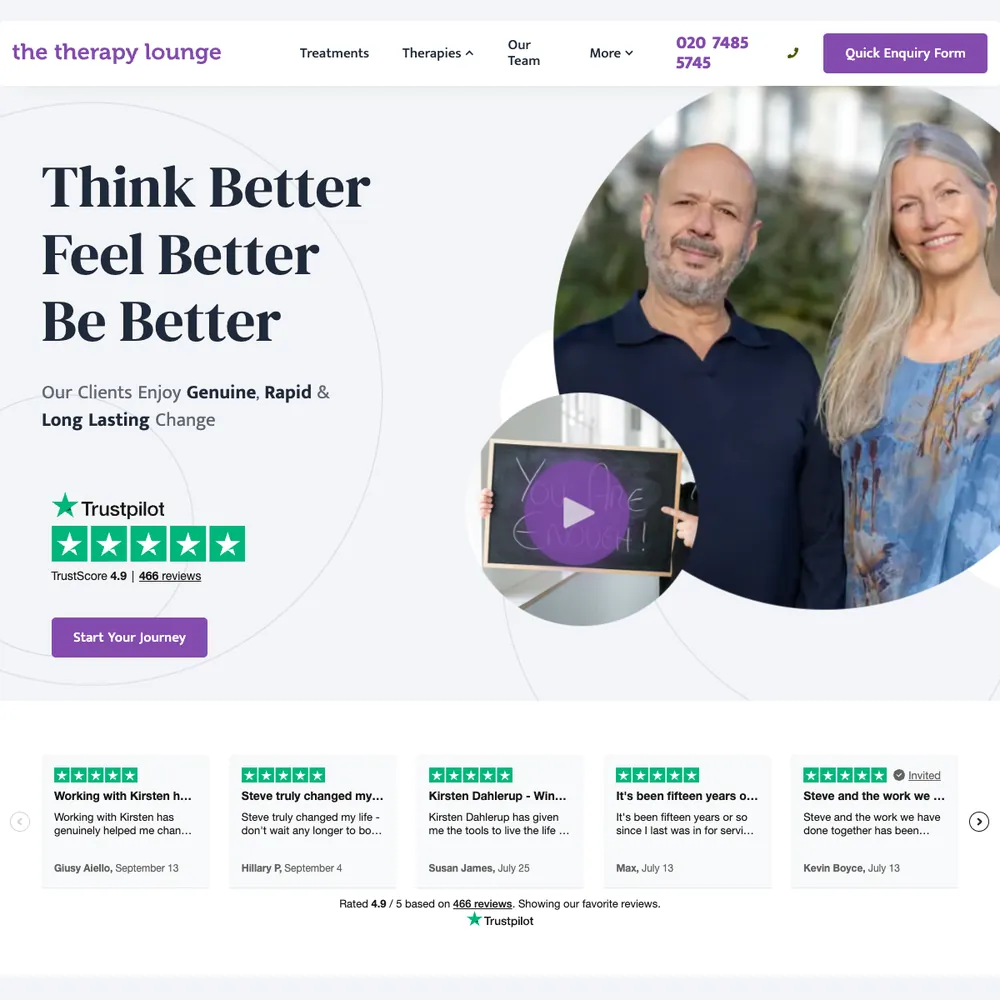
70% more enquiries, 6.6x return on ad spend in October 2025, and 316 enquiries tracked from April 2025 to October 2026.
Read the story
Also worth asking
Other answers about the same tools.
How do you integrate Cursor with project management and development workflows?
Cursor connects to GitHub, so work happens on a branch and arrives as a pull request that someone reads before it merges. Our agents can also reach tools like Tag Manager, Google Ads and our CRM through MCP connections, including filing tasks in it.
We use Cursor with GitHub, so every change can be reviewed, tracked and undone.
What does Cursor cost and which plan should you choose?
Cursor has a free plan and several paid ones, and what separates them is how much AI usage each includes before you hit a limit. Start on the lowest plan that covers what you do every day and move up when you hit a limit. We're on the top plan, Ultra. Cursor renames and reprices its plans, so check Cursor's pricing page for current figures.
How does Cursor handle code security and privacy concerns?
Cursor has a Privacy Mode and says that when it's on, it won't train on your data. It also says it holds a SOC 2 Type II attestation. Your code still goes to AI model providers to get answers, so the settings, the secrets and the review process around it matter too.
What programming languages and frameworks does Cursor support?
Cursor is built on VS Code, so it works with the same languages and frameworks that VS Code does, through its extensions. The AI works across whatever is in your project.
We use it for TypeScript, JavaScript, Astro, React and Python.
How do you use Cursor for building marketing automation tools?
Our marketing automation runs in n8n. Cursor is the editor we build in, so it's where we write and review the code around it: small scripts, integrations and tools that connect your forms, sheets and CRM. A person checks everything before it goes live.
Still have questions?Talk to us
Bring your numbers.
We'll tell you if the spend makes sense.
- A 15-minute callYour goals, your challenges, and whether we're the right fit.
- A 1-hour discovery callWe dig into your numbers. Worth a hundred emails.
- A concrete planAds, a custom build or both, as a one-off project or ongoing.